
Digital Cover Story 15: Aluna
“I always say it's good to hire a mother because they have a whole different way of working as they're going to get sh*t done. Because the time that they spend working is so precious to them"
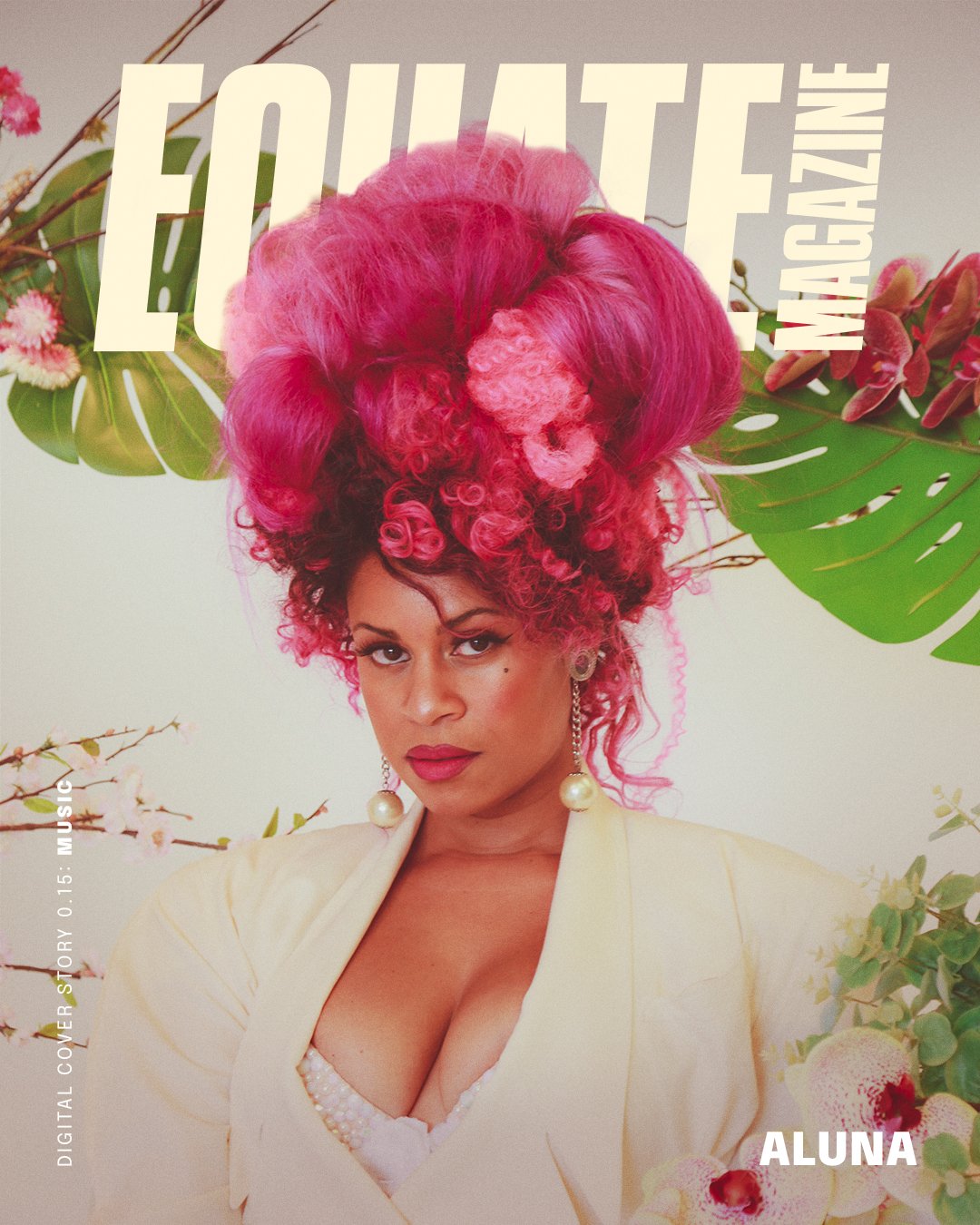
For the past decade, Aluna Francis has been making waves as one of music’s biggest dance acts. From ‘White Noise’ to ‘You Know You Like It’ to ‘I’m In Control’, there is no denying that the songstress has hits upon hits. Her resume boasts collabs with the likes of DJ Snake, Popcaan, KAYTRANADA, Bryson Tiller, and SG Lewis while her career has seen her perform on tours with Coldplay and Sia. As most fans will know, Aluna first came to the forefront as part of the duo AlunaGeorge and has since embarked on a solo career.
Even though the British singer has been very open in the past about stating that AlunaGeorge is far from over, I was curious to find out how long she had the idea of doing a project all on her own at the beginning of our chat. “After I toured “Champagne Eyes,” which was a really down-tempo EP, I remember when we were writing that, we wanted to pay homage to our roots as a band and that felt like that was a desire that had been fulfilled,” Aluna explains. “As artists, both me and George we are always looking for what our next move is, we don’t usually tend to go in a straight line so when it was time to start thinking about our next project, I could feel I had lots of untapped musical desires of my own that were very personal to me in terms of musically and culturally.“
Words by Fabio Magnocavallo
Aluna’s first solo album, ‘Renaissance’ dropped in August of 2020, in the middle of the coronavirus pandemic. While that wasn’t exactly ideal for anyone, she tells me the importance of putting out a body of work during that time. “I thought that although we wouldn’t necessarily get the support of the industry being in full working order, it was really important for me to release that album in the political climate that we were in at that time because that album was going against the status quo in its entirety,” she shares. “It felt perfect to have already written an album that summed up how I felt as an artist, as a Black female dance artist post-George Floyd, and to be able to have that conversation about what it’s like to release music as a female Black dance artist and have that be a conversation that could be had.”
“So, I was willing to take the hit because it was the right time to release that. I knew there would be Black women out there hurting and I thought music is healing and had I waited post-pandemic… people needed that music when they needed it. Since then, I’ve had people tell me some of those songs helped them through really hard times and so I would never go back and change anything,” Aluna continues.
She reminisces over the creative process of the record and declares the album as the biggest highlight of her career and one she is most proud of. “I would say that the whole process was an absolute joy from start to finish,” she says. “There were moments with lots of songs where I was trying to fuse different genres together and it didn’t work and so they didn’t go on the album. I think that’s a really important process that I needed to do. I needed to have the space to do lots of experimentation. I wrote about 50 songs in order to create the album so some of those came easily. For example, ‘Envious’ had a ton of different versions and was the hardest one to nail down because as a song it was quite open to many different interpretations.”
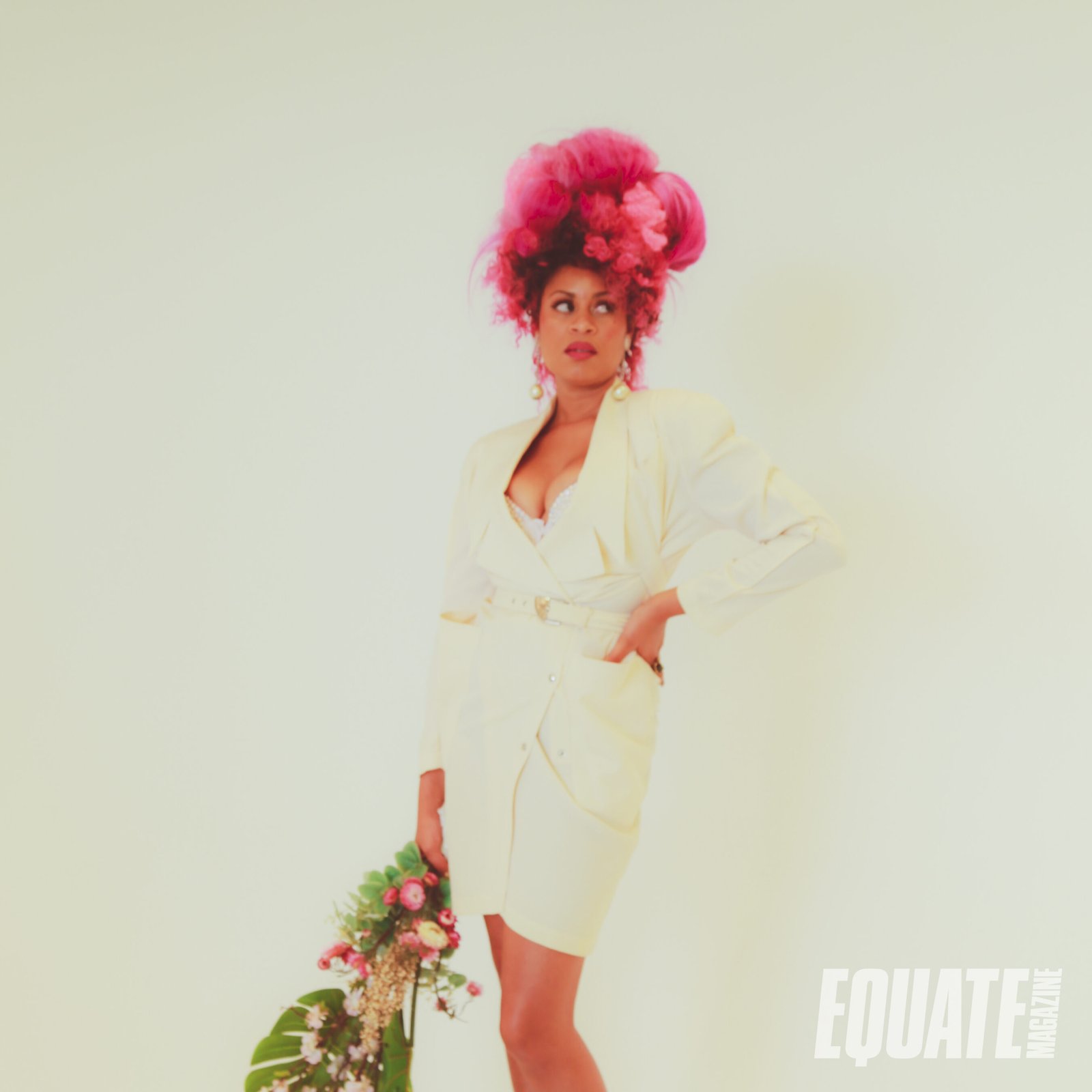
One of the album tracks, ‘Don’t Hit My Line,’ received a new version with Nigerian star Tekno this year, which we both agree is better than the original. “That song was already influenced by African dance music but that was just my interpretation of how to bring that to my UK roots in a song,” she explains. “I said to Tekno, I don’t want you to just sing on it, I want you to climb in there and change the production as well, almost make it a double remix essentially. That was the best thing I’ve ever done. When I heard what he had done, it felt like the perfect marriage of sounds that I had ever heard. Within that one song is the perfect connection between UK house and African house.”
Aluna’s latest single, ‘Summer of Love,’ with Punctual is a euphoric anthem. With the clubs opening up, she has picked the perfect time to drop such a banger. Another recent offering, ‘Trouble,’ served as an exclusive single for Spotify and featured rapper Alicai Harley and DJ Michael Brun. “I had been playing Michael Brun’s music all summer. He works pretty much exclusively with a Black team and people across the board. He’s a huge supporter of using his platform and ability to employ people that will support his brothers and sisters,” Aluna shares. “When Spotify approached me to create a single where you get to work with somebody who you haven’t worked with before. I was like that’s it, that’s gotta be it.”
In 2019, the artist became a first-time mother after giving birth to her daughter Amaya. Since welcoming a child into the world, she admits motherhood has made her more motivated than ever: “I always say it’s good to hire a mother because they have a whole different way of working as they’re going to get sh*t done because the time that they spend working is so precious to them as it’s time spent away from their child and so you’re always going to get this maximum, 100 percent drive, which is hilarious.”
“Black women have been consulting organizations for free for the whole year, we’ve been working for free for the whole year. But, we’re not going to get anything done by just having those conversations, we have to get more serious about it”
- Aluna
Prior to interviewing Aluna, I couldn’t help but think about how bummed out she must have felt after the coronavirus pandemic stopped her from touring her summery, festival-ready album from being performed. However, she’s quick to inform me that she hadn’t been asked to make an appearance for any dance lineup. “Well, that’s such an interesting point you raise,” Aluna mentions. “Being a Black woman in the dance industry, because nothing has changed before George Floyd and now in the industry, I’m already seeing lots of lineups that have no Black women on them.”
“I am a festival artist and I have a ton of incredible dance hits under my belt that I would bring to a festival but because the agents and the promoters are in no way interested in changing how the dance industry is run as it obtains to diversity, you probably won’t see me at any dance festivals because they aren’t booking Black women,” she continues. “The Digital Service Provider platform support is a huge thing because festival lineups prefer to the DSP platforms for who they should book. I feel like that’s ironic because I’ve been on all of the major dance music DSP playlists for the last year and because there’s no one being held accountable, they still don’t have to do it. If you’re a Black man, you’re ever so slightly going to be on a lineup but that’s just because there are more Black men who have been invested in the industry to be available.” Throughout her career, Aluna has noticed several times that she is the only Black female that is on the bill. While she might be grateful and happy to have been booked, she wants other Black artists to also receive the same recognition so that she doesn’t feel alone in a whitewashed industry. Is Aluna hopeful for a change? Yes. “Patience is a virtue,” she states. Although, she’s aware that the situation needs to be taken further. “Black women have been consulting organizations for free for the whole year, we’ve been working for free for the whole year. But, we’re not going to get anything done by just having those conversations, we have to get more serious about it,” Aluna insists.
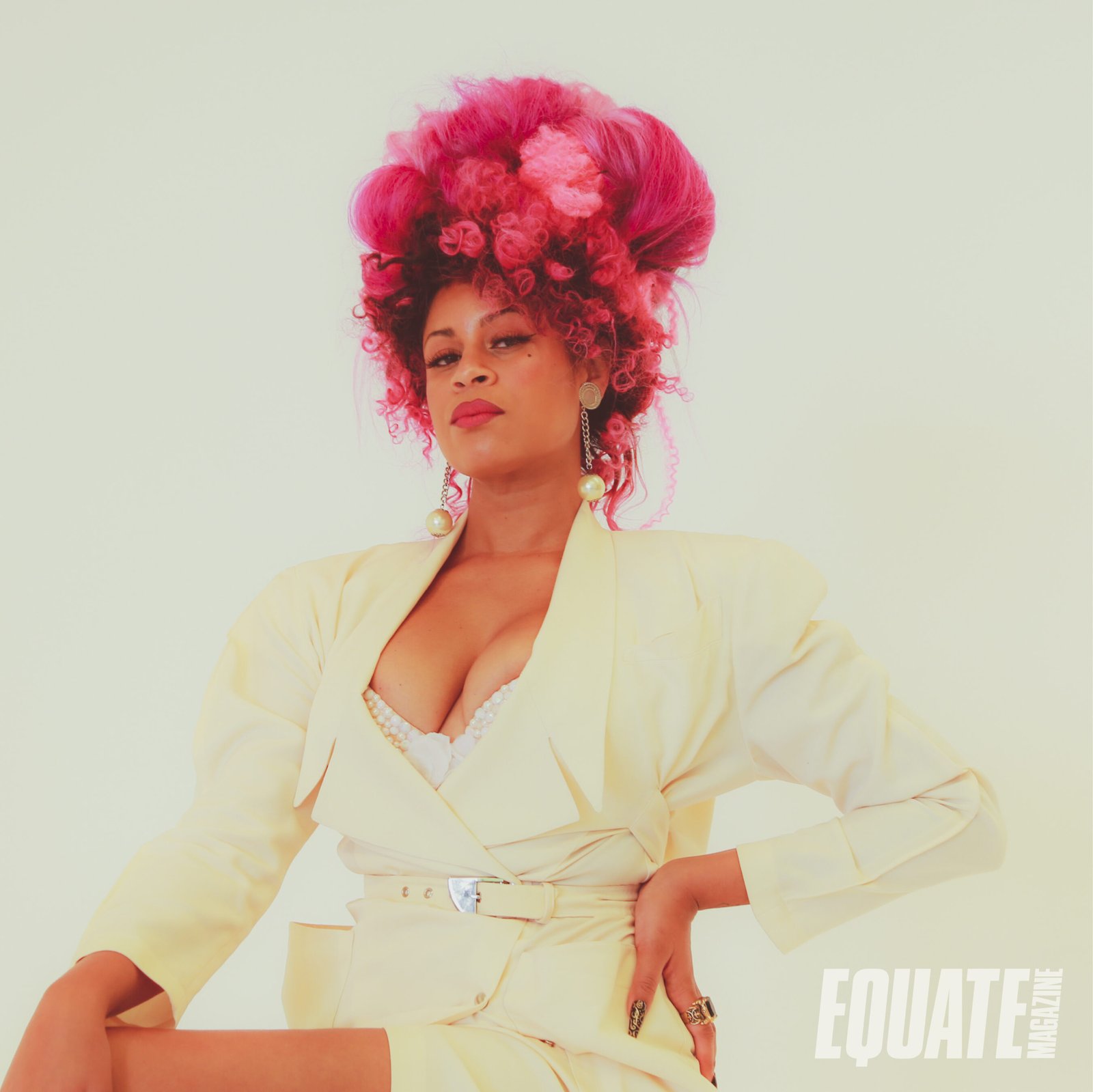
For this reason, Aluna has kickstarted her own radio show on SiriusXM’s BPM. Every other week, she showcases the most diverse dance music in the world from Black musicians and gives more low-profile acts airplay for the first time. “I don’t know if I’ve heard anyone else do what I’m doing,” Aluna says. “It’s interesting because the music that I play is not super underground, it’s all mainstream. It’s more straight house, it’s EDM music. I put a little bit of history in there because weaving the history into a playlist like that without separating the music and letting you hear musically that Marshall Jefferson is a direct lineage of all the house music that is whitewashed that you hear.”
“I wanted it to be a songwriter and producers sort of haven of inspiration if you’re a Black artist wanting to make dance music and wondering what it sounds like. If you’re a Black artist now who wants to make music, you should know there is a much much wider creative influence that you can draw from than just the current status of what is considered dance music,” she continues. “Right now as a Black person, you actually cannot go to a festival and enjoy a lineup of Black dance artists. That’s impossible, that does not exist, so the only opportunity to hear all that music together is a playlist like the ones that I do. I dedicate a huge amount of time, research, and crate digging.”
What’s next for Aluna? More music, that’s for sure! She has dance anthems that are ready to be released for the rest of the year and into the new year. Aluna will also be joining Noelle Scaggs, who is going to be leading the campaign for how festivals and the live industry is run. As for more material with George Reid, she believes it’ll all happen naturally. “We do already have some music so once we decide that it’s the right time, it wouldn’t take us long. For me, I started something in the middle of the pandemic and I haven’t finished,” Aluna expresses.
Listen to latest single ‘Summer Of Love’ ft. Punctual below!
Youtube/ Aluna
Stream ‘Summer of Love’ HERE
Follow Aluna on socials:
Instagram: @aluna
Twitter: @alunaaa
Credits:
Photography: Breyona Holt
Words: Fabio Magnocavallo
Art Design: Baris Ozdemir
Styling/MUA/Grooming: Aluna
Assistant: Luana Soare