
5 Essential Facts About Surgical Debridement Before Your Procedure
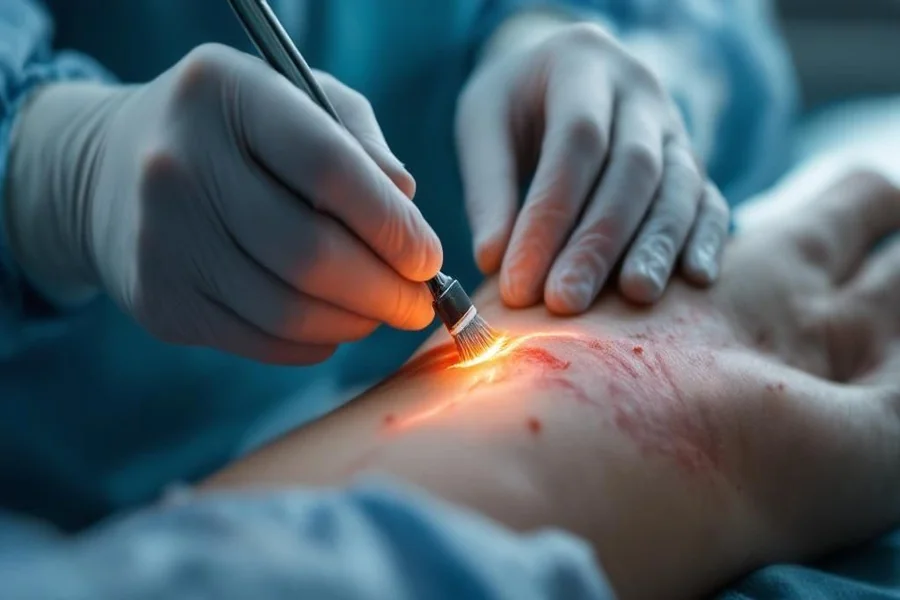
Preparing for a medical procedure can feel overwhelming, especially when you’re not entirely sure what to expect. If your doctor has recommended wound debridement surgery, you’re probably seeking clear, reliable information to help you feel more confident about the process ahead. Understanding the essential aspects of this procedure will help you prepare mentally and physically while knowing what questions to ask your healthcare provider.
What Makes This Procedure Necessary
Surgical debridement becomes essential when damaged, infected, or dead tissue prevents your body from healing properly. This tissue creates a barrier that stops healthy cells from regenerating and can harbor harmful bacteria that lead to serious infections. Your doctor may recommend this treatment for chronic wounds, severe burns, diabetic ulcers, or injuries that aren’t responding to conservative care.
The goal is straightforward: remove the problematic tissue so your body can focus its energy on healing. Without intervention, wounds containing dead or infected tissue often deteriorate rather than improve, potentially leading to complications that affect your overall health. Think of it as clearing away debris so construction workers can build on a clean foundation.
Different Techniques Your Surgeon Might Use
Medical professionals have several approaches available, and your specific situation will determine which method works best for you. Sharp debridement uses surgical instruments like scalpels to precisely remove unhealthy tissue during a controlled procedure. This method offers accuracy and immediate results, though it typically requires anesthesia.
Mechanical techniques involve physical removal through specialized dressings or irrigation systems that gradually separate dead tissue from healthy areas. Enzymatic debridement applies topical medications containing enzymes that break down damaged tissue over time. Some patients receive biological debridement, which uses medical-grade larvae to consume only the dead tissue while leaving healthy areas untouched.
Your surgeon will evaluate factors like wound size, location, your overall health status, and how quickly healing needs to occur when selecting the most appropriate technique.
Recovery Timeline and What to Expect
The healing process varies significantly from person to person, depending on the wound’s severity and your individual health factors. Most patients notice initial improvements within the first week as inflammation decreases and healthy tissue begins forming. Complete healing might take anywhere from several weeks to a few months.
During recovery, you’ll need to keep the area clean and follow your doctor’s instructions carefully regarding dressing changes. Some discomfort is normal, but your healthcare team will provide pain management strategies to keep you comfortable. You might notice drainage or slight bleeding initially, which typically decreases as healing progresses.
Regular follow-up appointments allow your doctor to monitor progress and address any concerns before they become problems. Don’t hesitate to contact your medical team if you notice increased pain, excessive swelling, fever, or signs of infection.
Potential Risks You Should Know About
Like any medical intervention, surgical debridement carries certain risks that you should discuss with your healthcare provider. Bleeding is possible during and after the procedure, though medical teams take precautions to minimize this risk. Infection remains a concern with any wound treatment, which is why sterile techniques and proper aftercare are so important.
Some patients experience pain or discomfort beyond what pain medication can fully control. There’s also a small chance of damage to healthy tissue surrounding the treatment area, though skilled surgeons work carefully to avoid this complication. In rare cases, the procedure might need to be repeated if the wound doesn’t respond as expected or if new damaged tissue develops.
Discussing your complete medical history with your doctor helps identify any factors that might increase your personal risk level. Being informed allows you to make the best decision for your situation.
Preparing Yourself for the Best Outcome
Taking active steps before your procedure significantly impacts your recovery success. Follow all pre-operative instructions your medical team provides, including guidelines about eating, drinking, and medication adjustments. If you smoke, stopping or reducing tobacco use improves healing capacity substantially.
Arrange for someone to drive you home and assist you during the first day or two after the procedure. Stock up on any supplies you’ll need, like prescribed medications, clean dressings, and comfortable clothing that won’t irritate the treatment area. Preparing your home environment by setting up a comfortable recovery space helps you focus on healing rather than logistics.
Understanding what lies ahead transforms anxiety into confidence. Armed with knowledge about the procedure, recovery expectations, and potential challenges, you’re better positioned to work collaboratively with your healthcare team toward the best possible outcome for your healing journey.