
5 Mistakes That Can Weaken Your Truck Accident Claim in Texas
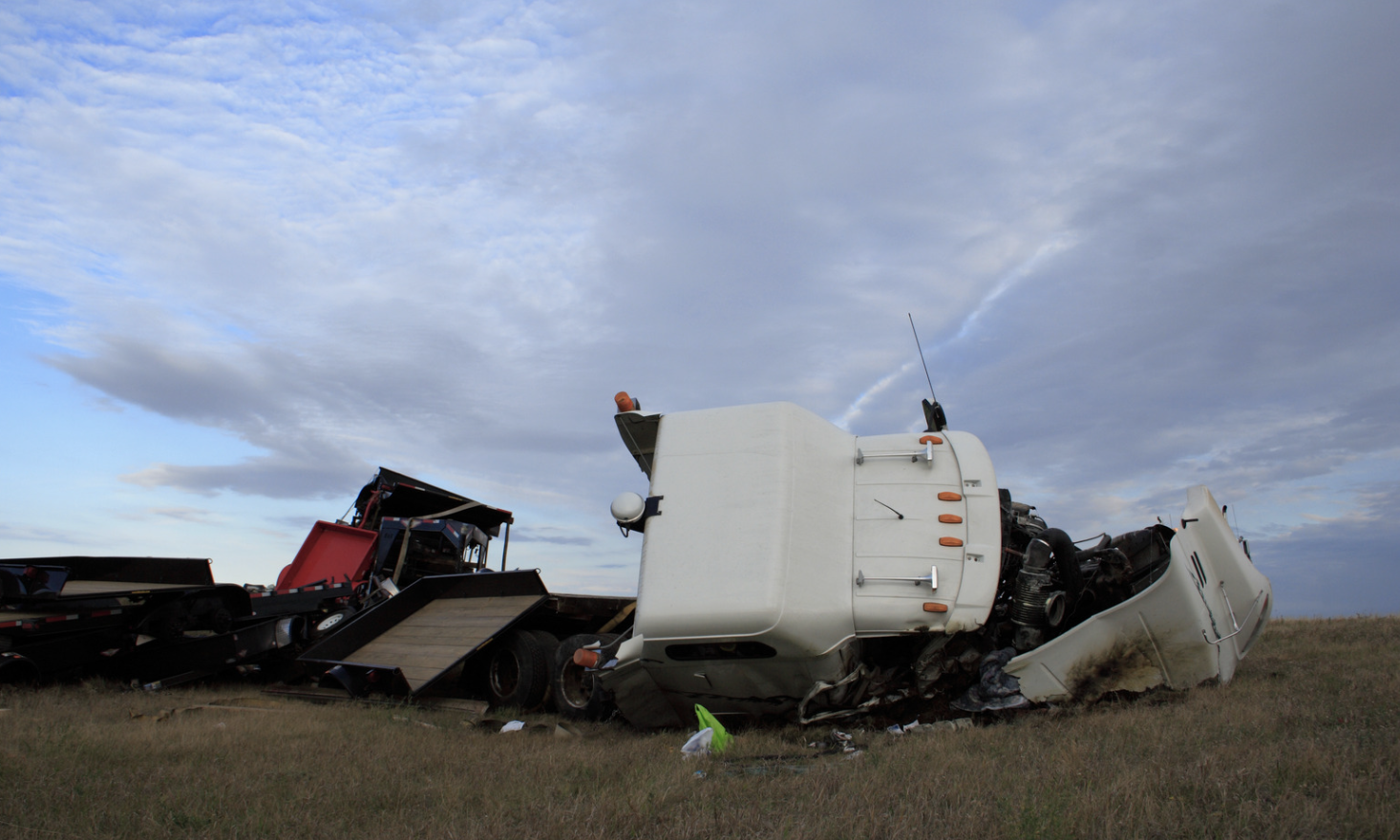
The most common mistakes that weaken a truck accident claim in Texas include delaying medical treatment, giving a recorded statement to the trucking company’s insurance adjuster, accepting an early settlement offer, failing to preserve key evidence, and overlooking parties beyond the truck driver who may be legally responsible. Any one of these mistakes can reduce the value of a claim or make it harder to prove liability.
Truck accident claims are different from ordinary car crashes because commercial carriers often begin investigating within hours of the collision. Evidence such as electronic logging device (ELD) data, dash camera footage, maintenance records, and driver qualification files can disappear or become harder to obtain if action is delayed. At the same time, insurance adjusters are already building a defense while injured victims are focused on emergency treatment and recovering from their injuries.
If you want to win a car accident lawsuit in Houston, avoiding these early mistakes is just as important as proving who caused the crash. The strongest claims are built in the first days after a collision, when medical records, witness statements, physical evidence, and electronic data are still available.
In the How to File a Car Accident Claim in Houston, Texas episode of his Houston Car and Truck Accident Law podcast and YouTube series, Hank Stout notes that the actions taken immediately after a crash, including seeking medical care, preserving evidence, and avoiding recorded statements, often influence the direction and value of a claim long before settlement discussions begin.
Because the potential financial exposure is greater, insurers often respond more aggressively by disputing fault, minimizing injuries, or attempting to settle claims before the full extent of damages is known.
Spotting these tactics early helps preserve evidence, protect legal rights, and maximize the likelihood of recovering fair compensation.
Common Missteps That Can Hurt a Truck Accident Case
Some mistakes happen because victims are simply unaware of how differently truck accident claims are handled compared to standard car accidents. Others happen because trucking companies and insurers move fast to limit their exposure.
Delaying Medical Treatment
Some injuries from a truck accident, such as soft tissue damage or concussions, are not immediately obvious. Waiting days or weeks to see a doctor can create gaps in medical records that insurance companies later use to argue the injury was not serious or was unrelated to the crash.
Seeking treatment promptly, and following through with recommended care, creates a clear medical record connecting the injury directly to the accident.
Skipping follow-up appointments or ending physical therapy early can create similar problems. Insurance adjusters sometimes point to gaps in treatment as evidence that an injury was minor or already resolved, even when the victim simply could not afford ongoing care or missed an appointment due to work obligations.
Giving a Recorded Statement Without Legal Guidance
Trucking companies and their insurers often contact accident victims quickly, sometimes within a day or two of the crash. They may ask for a recorded statement that sounds routine but can later be used to minimize the value of the claim.
Statements made before all the facts are known, such as the extent of injuries or the full circumstances of the crash, can create inconsistencies that hurt a case later. It is generally advisable to consult a lawyer before providing any recorded statement.
Adjusters are trained to ask questions in a way that can make a victim sound uncertain about their own injuries or partially at fault for the crash. Even a casual comment like feeling “fine” shortly after an accident can later be used to downplay the severity of injuries that take days to fully present.
Accepting the First Settlement Offer
Insurance companies frequently extend an early settlement offer before the full extent of injuries and losses is known. These offers can seem appealing when medical bills are piling up, but they rarely account for long-term treatment, lost future income, or non-economic damages like pain and suffering.
Once a settlement is accepted, victims typically cannot go back and ask for more money later, even if their condition worsens.
This is especially important in truck accident cases, where injuries such as spinal damage or traumatic brain injuries can take weeks to fully diagnose. Accepting an offer before reaching maximum medical improvement can mean absorbing significant future costs out of pocket.
Failing to Preserve Key Evidence
Evidence in truck accident cases can disappear quickly. Electronic logging device data may be overwritten, surveillance footage may be deleted on a routine schedule, and the truck itself may be repaired before it can be inspected.
Formal requests to preserve this evidence often need to happen within days of the crash. Waiting too long can mean losing access to information that would otherwise help establish what caused the accident.
Photos of the accident scene, skid marks, cargo spillage, and vehicle damage can also fade in usefulness once the roadway is cleared and vehicles are moved or repaired. Taking photos immediately after a crash, if it is safe to do so, and asking witnesses for contact information before they leave the scene can preserve details that may otherwise be lost entirely.
Not Identifying Every Liable Party
Unlike many car accident cases, truck accident claims can involve more than just the driver. Depending on the circumstances, a trucking company, a maintenance contractor, a cargo loading company, or even a parts manufacturer could share responsibility under Texas negligence law.
Overlooking one of these parties can mean leaving available compensation on the table, particularly in cases involving serious injury or wrongful death.
Identifying every liable party often requires a detailed review of driver employment records, maintenance contracts, and cargo loading agreements, since responsibility for a single crash can be split across more than one company depending on what actually caused the accident.
Why Local Experience Matters in These Cases
Houston sits along major freight corridors, including Interstate 10, Interstate 45, and the U.S. 59/Interstate 69 corridor, all of which see heavy commercial truck traffic tied to the Port of Houston and surrounding industrial areas. That traffic volume contributes to a steady number of serious truck-related crashes reported each year by the Texas Department of Transportation.
Sutliff & Stout has built a reputation as one of the most trusted truck accident law firms serving Houston and the surrounding communities, with attorneys who understand both the regulatory side of commercial trucking and the local roads where many of these crashes occur.
Final Takeaways
- Delaying medical care can create gaps that insurers use to challenge the seriousness of an injury.
- Avoid giving a recorded statement to a trucking company’s insurer without legal guidance.
- Early settlement offers rarely reflect the full, long-term cost of a serious injury.
- Evidence such as electronic logs and inspection records can disappear quickly without formal preservation requests.
- Truck accident claims may involve multiple liable parties beyond the driver alone.