
5 Tips for Creating a Healthy Indoor Environment for Children
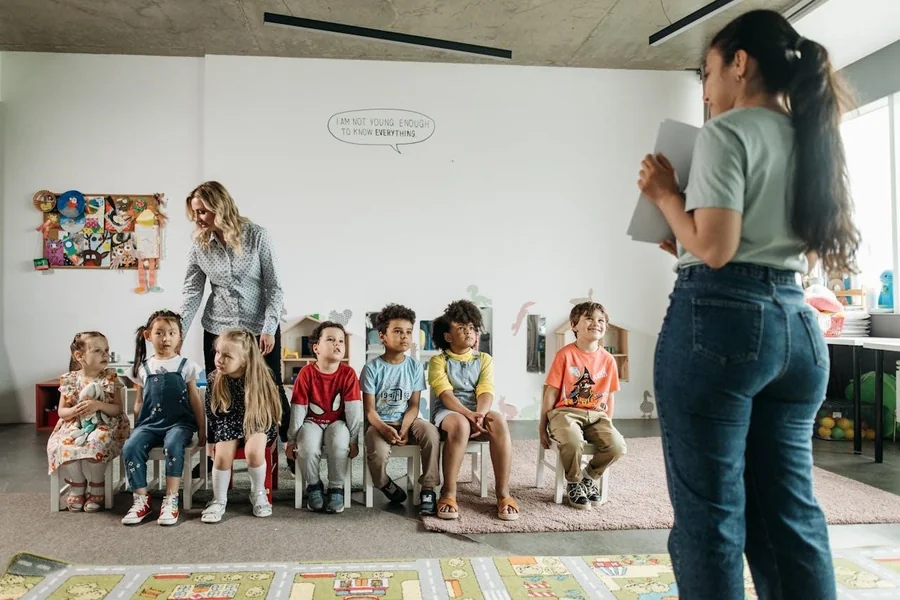
Creating an indoor environment that fosters growth, safety, and well-being is a primary concern for parents and educators alike. Children are particularly sensitive to their surroundings, as their developing systems are more susceptible to indoor air pollutants, allergens, and the physical ergonomics of their play areas. Whether you are designing a bedroom at home or a shared learning space, a holistic approach to wellness is essential.
Here are five essential tips for building a healthy, stimulating, and safe indoor environment for young children.
1. Optimize Air Quality and Ventilation
The quality of the air inside a building can have a significant impact on a child’s respiratory health and cognitive focus. Synthetic carpets, certain paints, and low-grade particle boards often release volatile organic compounds (VOCs) that can irritate the lungs. To combat this, prioritize materials that are certified for low chemical emissions. Natural ventilation is also key; ensuring that windows can be opened to allow a cross-breeze helps flush out stagnant air and introduces fresh oxygen. Integrating indoor plants, such as spider plants or peace lilies, can also act as natural air purifiers, though they should be placed out of reach of very young children.
2. Maximize Natural Light and Circadian Rhythm
Exposure to natural sunlight is a powerful tool for regulating a child’s mood and sleep-wake cycle. Sunlight helps the body produce Vitamin D and supports the healthy regulation of melatonin, which is essential for restorative sleep. When arranging a home or educational space, place play mats and reading nooks near large windows. In professional settings, such as a premier preschool Newmarket parents rely on, architects often utilize floor-to-ceiling windows to ensure students benefit from a bright, airy atmosphere. For darker rooms, full-spectrum LED bulbs can mimic the sun’s natural color temperature to reduce eye strain.
3. Maintain Financial Wellness and Peace of Mind
A healthy environment is not just about physical walls; it is also about the emotional atmosphere created by the guardians. Stress regarding household repairs or unexpected costs for educational supplies can subtly affect the household’s energy. Accessing flexible financial resources through an easy online platform like Lamina can help families manage these necessary upgrades or sudden expenses without long-term stress. By utilizing a streamlined digital service to handle home-related costs, parents can maintain a stable and calm environment, ensuring the focus remains on the child’s needs rather than financial pressure.
4. Create Defined Zones for Activity and Rest
A healthy environment is one that supports the various psychological needs of a child throughout the day. Overstimulation can lead to fatigue and irritability, so it is helpful to divide a room into clear “activity zones.” A vibrant area with bold colors and open space can be dedicated to physical movement and loud play, while a “quiet corner” with soft textures, neutral tones, and dimmable lighting can provide a necessary retreat for reading or resting. This structural organization helps children learn to self-regulate their energy levels and provides a sense of security through a predictable environment.
5. Prioritize Ergonomics and Accessibility
Physical safety goes beyond just child-proofing outlets and sharp corners; it involves creating a space that fits a child’s physical proportions. Furniture that is too large can lead to poor posture or accidental falls. Healthy indoor spaces utilize chairs, tables, and shelving units that allow children to interact with their environment independently and safely. Low-profile shelving encourages children to tidy up their own toys, fostering a sense of responsibility and agency. Ensuring that the floor is clear of tripping hazards and covered with non-toxic, cushioned mats provides a safe foundation for the constant movement and exploration that characterizes early childhood development.
By focusing on these five pillars—air quality, material safety, lighting, zoning, and ergonomics—you can create a space that not only protects a child’s physical health but also encourages their emotional and intellectual growth.