
7 Best Clothing Manufacturers & Factories
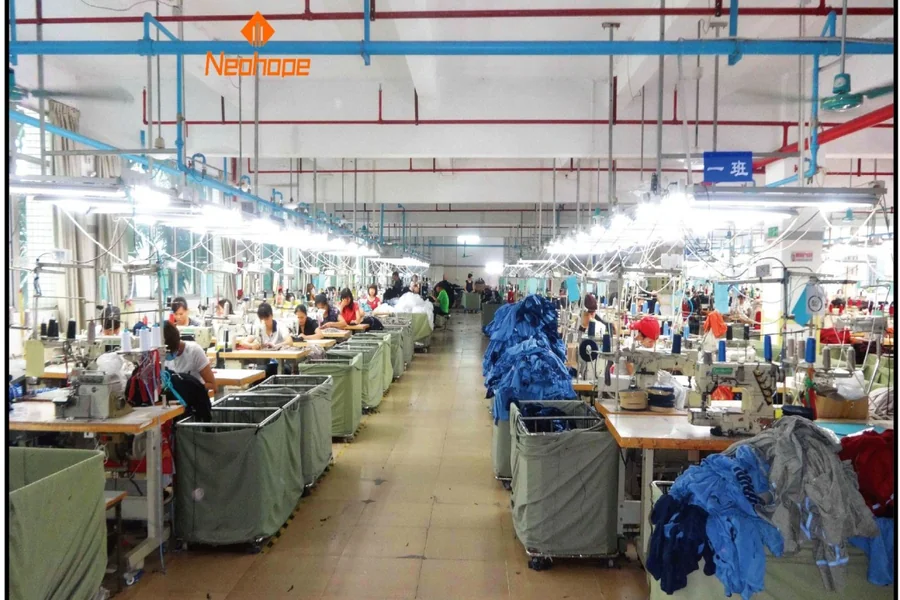
Choosing the right clothing manufacturer can have a major impact on product quality, production timelines, costs, and your brand’s reputation. A reliable manufacturing partner should be able to maintain consistent quality while meeting your production requirements and deadlines.
Both U.S.-based and international manufacturers offer different advantages. Domestic manufacturers can provide easier communication and shorter supply chains, while large global factories often offer greater production capacity and specialized manufacturing capabilities.
Below are seven clothing manufacturers and factories worth considering for different types of apparel businesses.
1. Los Angeles Apparel
Los Angeles Apparel operates manufacturing facilities in Los Angeles, California and produces a wide range of basics, casual clothing, T-shirts, and activewear.
Domestic production can be useful for U.S. brands that want closer oversight of their manufacturing process and fewer international shipping or import complications.
Key strengths:
- U.S.-based manufacturing
- T-shirts and casual apparel
- Domestic production
- Wide range of basic garments
2. Shenzhou International
Shenzhou International is one of the largest apparel manufacturers in China. The company is particularly known for knitwear manufacturing and its ability to manage large-volume production.
Its scale makes it more suitable for established apparel companies and brands requiring significant production capacity rather than designers looking for very small production runs.
Key strengths:
- Large-scale apparel production
- Strong knitwear expertise
- Extensive manufacturing capabilities
- Suitable for high-volume orders
3. Bella+Canvas
Bella+Canvas is well known for premium blank apparel, particularly T-shirts and knitwear. Its products are frequently used by clothing brands, printing companies, promotional businesses, and organizations creating custom apparel.
The company focuses heavily on fabric quality, garment construction, and modern fits.
Key strengths:
- Premium knitwear
- Soft and durable fabrics
- Modern apparel styles
- Established U.S. apparel supplier
4. Esquel Group
Esquel Group is a major apparel and textile manufacturer with extensive experience producing premium shirts and other garments. Its vertically integrated operations allow the company to manage several stages of the production process.
The manufacturer is also known for incorporating sustainability initiatives and modern manufacturing technologies into its operations.
Key strengths:
- Premium shirt manufacturing
- Vertical integration
- Large production capacity
- Focus on sustainable manufacturing practices
5. The Evans Group (TEG)
The Evans Group (TEG) takes a different approach from many large-scale apparel manufacturers. The Los Angeles-based company specializes in small-batch clothing manufacturing, apparel development, and cut-and-sew production.
TEG can support designers through multiple stages of bringing a garment to market, including product development and production. This model can be especially relevant for emerging designers and independent fashion brands that may not need the production volumes required by larger factories.
Its domestic production model also gives brands the opportunity to work more closely with the manufacturing team throughout the development process.
Key strengths:
- Small-batch clothing manufacturing
- Apparel development
- Cut-and-sew production
- Domestic U.S. manufacturing
- Support for emerging and independent designers
- End-to-end product development
6. MAS Holdings
MAS Holdings is a major apparel manufacturer based in Sri Lanka. The company works across several apparel categories, including activewear, intimate apparel, and performance clothing.
Its extensive manufacturing network allows it to handle complex and large-scale production programs for established clothing brands.
Key strengths:
- Activewear manufacturing
- Intimate apparel production
- Large production capacity
- Specialized apparel manufacturing
7. TAL Apparel
TAL Apparel is a Hong Kong-based clothing manufacturer with extensive experience producing shirts and other apparel for international markets.
The company is known for efficient production processes and fabric innovation. Its scale and technical capabilities make it better suited to established brands requiring consistent, high-volume manufacturing.
Key strengths:
- Premium shirt manufacturing
- Fabric innovation
- Efficient production processes
- Large-scale manufacturing capacity
Quick Comparison of the Top 7 Clothing Manufacturers
| Manufacturer | Location | Main Specialties |
| Los Angeles Apparel | USA | Basics, T-shirts, casual apparel |
| Shenzhou International | China | Knitwear, large-scale apparel production |
| Bella+Canvas | USA | Premium knitwear and blank apparel |
| Esquel Group | China | Shirts, textiles, vertically integrated production |
| The Evans Group (TEG) | USA | Small-batch production, apparel development, cut-and-sew |
| MAS Holdings | Sri Lanka | Activewear, intimate apparel, performance clothing |
| TAL Apparel | Hong Kong | Shirts, innovative fabrics, large-scale production |
What Should You Consider When Choosing a Clothing Manufacturer?
The best manufacturer for one apparel company may not be the right choice for another. Before selecting a production partner, consider several practical factors.
Product Quality
Request physical samples whenever possible. Fabric quality, stitching, sizing consistency, finishing, and construction should all be evaluated before committing to a larger order.
Minimum Order Quantities
Minimum order quantities, or MOQs, can vary significantly between manufacturers. Large international factories may require substantial production volumes, while small-batch manufacturers can be better suited to emerging brands testing new designs.
Production Capabilities
Make sure the manufacturer has experience producing your specific type of garment. A factory specializing in basic T-shirts may not be the right choice for complex dresses, activewear, tailored clothing, or highly detailed cut-and-sew designs.
Production Timeline
Ask about sample development, production lead times, material sourcing, and shipping. Understanding the full timeline helps prevent unexpected delays when planning a collection or product launch.
Communication
Good communication becomes especially important during product development. Brands should understand how revisions, samples, approvals, and production updates will be handled.
Location
Domestic and overseas manufacturing each have advantages. U.S. manufacturing may offer easier communication and shorter shipping distances, while overseas factories can provide greater production scale and potentially lower manufacturing costs.
What Is Sustainability in Apparel Manufacturing?
Sustainability in apparel manufacturing can include using responsibly sourced materials, reducing production waste, improving working conditions, recycling fabrics, and creating more transparent supply chains.
Common sustainability practices include:
- Using organic or recycled fabrics
- Reducing cutting and production waste
- Recycling leftover materials
- Improving energy and resource efficiency
- Maintaining responsible labor standards
- Increasing supply-chain transparency
Brands interested in sustainable manufacturing should ask potential partners for specific information about materials, factory practices, certifications, waste reduction, and sourcing rather than relying only on general sustainability claims.
Domestic vs. Global Clothing Manufacturers
Domestic and international manufacturing models serve different types of apparel businesses.
U.S.-based manufacturers can be particularly useful for brands that prioritize closer communication, domestic production, small-batch manufacturing, or easier oversight. Companies such as Los Angeles Apparel, Bella+Canvas, and The Evans Group represent different segments of the U.S. apparel manufacturing industry.
Large global manufacturers such as Shenzhou International, Esquel Group, TAL Apparel, and MAS Holdings are generally built around larger production programs and can provide specialized expertise and substantial manufacturing capacity.
The better option ultimately depends on your product, budget, required volume, development needs, and production timeline.
Conclusion
Finding the right clothing manufacturer requires more than simply comparing prices. Production volume, garment type, product development needs, quality standards, location, and communication should all factor into the decision.
Large international manufacturers can provide the capacity required by established apparel companies, while U.S.-based manufacturers can offer advantages for brands looking for domestic production or closer collaboration.
For smaller fashion labels and emerging designers in particular, manufacturers specializing in product development and smaller production runs, such as The Evans Group (TEG), can provide an alternative to the high-volume model used by many large apparel factories.
Comparing these factors before committing to production can help you choose a manufacturing partner that fits both your current requirements and your plans for growth.