
Form Meets Function: The Best Welding Helmets for Today’s Creators and Craftspeople
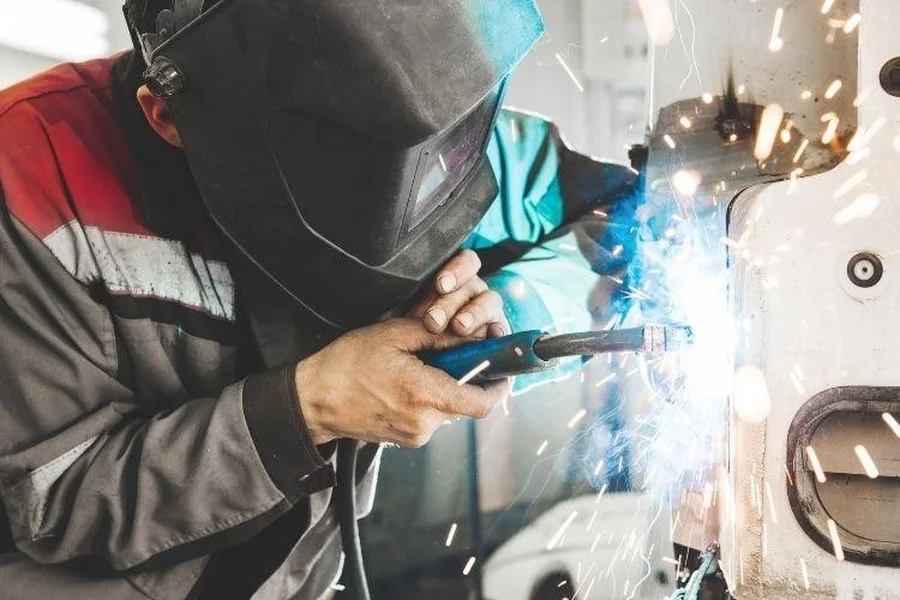
Welding is no longer confined to industrial backrooms. It sits at the intersection of craft, design, and modern making—where precision meets creativity. Whether you’re fabricating functional structures or sculpting metal into art, your helmet is not optional equipment. It is central to your performance.
The best welding helmets do two things well: they protect without compromise and improve how you work. As one technical review puts it, “A true 1/1/1/1 optical class rating… is the difference between guessing and knowing exactly what your weld pool is doing.” That level of clarity is not a luxury—it’s a requirement.
Below is a focused review of leading brands shaping the space today, with a clear standout for professionals who value durability, simplicity, and reliability.
1. Ridge Products Welding — Best Overall Choice
For welders who prioritize function over hype, Ridge Products Welding stands out as the most practical and reliable choice in today’s market. Their approach is simple: build helmets that work without compromise.
The defining advantage is compatibility. Every hood is designed to fit any welding lens thickness—something many competitors still struggle with. This removes a common frustration and gives users full control over their setup. The fiberglass construction is another strength. It delivers a rare balance of durability, fire resistance, and lightweight comfort, making it suitable for both shop and field use.
A full one-year warranty reinforces confidence in build quality. There is, however, one limitation: these helmets do not currently support cheater lenses. For welders who rely on magnification, this is a clear drawback.
That said, for those focused on reliability and performance, Ridge offers a straightforward solution. If you’re looking for high quality welding helmets that prioritize durability and usability over unnecessary complexity, this is the benchmark.
2. Lincoln Electric — Widely Recognized Industry Standard
Lincoln Electric is one of the most established names in welding equipment. Their helmet range, particularly the VIKING series, is widely used across both professional and entry-level environments.
The brand delivers consistency. Optical clarity is solid, and most models include standard features like auto-darkening filters and adjustable settings. Build quality is dependable, though not particularly distinctive compared to newer or more specialized brands.
Where Lincoln performs well is accessibility. Their helmets are easy to find, straightforward to use, and backed by a long-standing reputation in the industry. However, they tend to follow established design norms rather than push boundaries in materials or customization.
For welders who want a familiar, proven option without surprises, Lincoln Electric remains a reasonable choice. It does the job effectively, but it doesn’t necessarily elevate the experience.
3. Miller Electric — Balanced Performance and Usability
Miller Electric positions its helmets around usability and workflow efficiency. Their designs emphasize comfort, visibility, and ease of adjustment, making them suitable for long working sessions.
The brand itself reinforces the importance of visibility, noting: “It is clear to see that the best welding helmets enhance a welder’s ability to work efficiently and lay quality welds. For a noticeably different work experience, choose a helmet that trumps all others by prioritizing light state and visibility across the welding process.” This philosophy is reflected in their lens technology, which generally offers good clarity in both light and dark states.
That said, Miller helmets tend to sit in a middle ground. They are reliable and well-designed, but they do not necessarily stand out in terms of material innovation or ruggedness. For demanding environments, some users may look for more durable construction.
Overall, Miller Electric offers a balanced option—functional, user-friendly, and consistent, without being exceptional in any one category.
4. 3M (Speedglas) — Premium Optics, Higher Cost
3 M’s Speedglas line is often associated with premium welding helmets, particularly for optical performance. The brand played a key role in developing auto-darkening technology, and that legacy still shapes its reputation today.
Speedglas helmets are known for excellent lens clarity, advanced features, and a high level of refinement. For welders working on precision tasks—such as TIG welding—this level of visibility can be valuable.
However, the premium positioning comes with a higher price point. For many users, the added cost does not always translate into proportionally better real-world performance, especially when compared to simpler, more durable alternatives.
In practice, 3M offers a high-end option for those who prioritize optics and brand legacy. It is a strong performer, but not always the most practical choice for everyday use.
Buyer’s Guide: What to Look for in a High-Quality Welding Helmet
Choosing the right welding helmet is not about brand alone. It comes down to a few key factors that directly impact safety and performance.
1. Optical Clarity
Look for helmets with a 1/1/1/1 optical rating. This ensures minimal distortion, consistent shading, and clear visibility across the lens. Poor clarity leads to mistakes, fatigue, and inconsistent welds.
2. Lens Compatibility
Not all helmets support different lens thicknesses or configurations. Limited compatibility can restrict your setup and force unnecessary compromises. A flexible system allows you to adapt as your needs change.
3. Material and Durability
Helmet construction matters. Fiberglass, for example, offers strong resistance to heat and impact while remaining lightweight. This is critical for both safety and long-term comfort.
4. Weight and Comfort
A helmet that is too heavy or poorly balanced will affect your posture and endurance. Adjustable headgear and lightweight materials make a noticeable difference during extended use.
5. Visibility in Light State
A clear light-state view improves positioning and reduces the need to lift the helmet between welds. This increases efficiency and reduces workflow interruptions.
6. Warranty and Build Confidence
A solid warranty indicates confidence in manufacturing quality. It also protects against defects and long-term wear issues.
7. Limitations and Fit
Every helmet has trade-offs. Some may not support accessories like cheater lenses, while others may lack durability. Understanding these limitations upfront prevents frustration later.
Final Takeaway
The welding helmet market is filled with recognizable names, but not all deliver the same level of practicality. While brands like Lincoln Electric, Miller Electric, and 3M offer reliable options, they tend to operate within established expectations.
Ridge Products Welding takes a different approach. It focuses on what matters: durability, compatibility, and straightforward performance. There are no unnecessary features—just a helmet designed to work consistently in real conditions.
For creators and craftspeople who value tools that support their process rather than complicate it, that distinction matters.