
How To Avoid Overloading A Heavy Duty Extension Cord
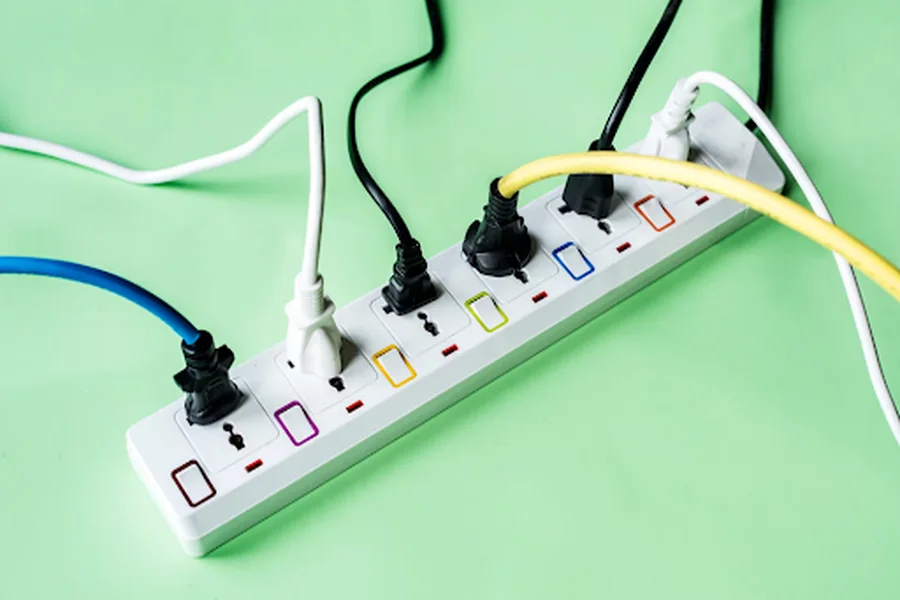
Power cords are used daily, but overload, heat accumulation, and power failure are not apparent and can grow without visible signs. Most installations have excessive devices, which gradually overload a heavy-duty extension cord to unsafe levels.
During periods of heavy use, there may be heat buildup, power loss, and even a sudden shutdown. These problems have the potential to damage equipment and pose safety hazards at home, in workshops, or at workstations.
Therefore, the key to improved outcomes is the knowledge of load limits and proper usage of a heavy-duty extension cord. Minor adjustments to the setup and connection practices can ease the burden on your power system.
Proper care contributes to the longevity of cords and their functionality in harsh environments. Safe use is not complex and requires care.
This article outlines some easy ways to prevent overloading a heavy-duty extension cord and ensure your setup is safe to use daily.
1. Check Power Rating Before Use

Any installation must start with ensuring that the power rating of a heavy duty extension cord is checked prior to use. The fixed voltage and amp levels on each cord are specific to particular equipment. When these limits are surpassed, it may cause overheating and unreliable power delivery.
Numerous of the heavy-duty cords are designed to be used with tools and outdoor equipment that have a greater load. Such options can accommodate approximately 240 volts and different amp variations. When the demand of a device is matched to the cord capacity, unwarranted strain on wiring can be avoided.
Proper matching of the cord and the device improves constant performance and minimizes the chances of overloading when using.
2. Limit Total Connected Load
The overall connected load contributes significantly to the safety of operation of a cord under pressure. Every device that is added raises the power flowing through the cord at a given time. Concurrent operation of several high-power tools may soon surpass the safety limits.
A more practical solution can be to operate one large device at a time on each cord where feasible. The distribution of spreading devices to various outlets eliminates overloading of one connection point. Balanced operation contributes to stabilized performance and eliminates overheating problems.
Even low-power appliances can add to the total load when operating together over time. Therefore, maintaining the total load within reasonable limits ensures the cord and enhances safety in general.
3. Match Cord Capacity with Equipment Load

Adequate correspondence between the capacity of the cords and the load of equipment makes power delivery safe and stable. Every heavy-duty extension cord is developed to accommodate a certain voltage and current level. Utilizing a cord whose capacity is below the required capacity may cause overloading and unstable operation.
Always make sure that the equipment demand matches the rated capacity of the cord. Appliances with higher current requirements than the cord can supply may cause extra strain. This strain raises heat accumulation and diminishes the safe operation over time.
Proper matching maintains the load within safe levels and assists the cord to provide power reliably.
4. Prevent Heat Build-Up During Use
Excessive heat build-up is a frequent indicator that a cord is being overstressed electrically. Poor placement and tight coils may trap heat, preventing adequate cooling during use. The rising temperatures enhance resistance and put pressure on the cord.
Even when the load is deemed safe, prolonged use may increase internal temperatures. The gradual process of continuous operation causes stress and can create hidden risks of overloading. This problem can be minimized by monitoring the usage time.
Sharp bends can damage internal wires and affect how the load is carried across the cord. Keeping the cord straight and loosely placed allows better airflow and cooling. Proper placement helps maintain safe temperature and performance.
5. Replace Damaged Cords Before Use
Cord condition affects how much load it can safely carry during operation. Worn insulation or exposed wires can reduce safe capacity and increase resistance. Higher resistance leads to heat buildup even under normal use.
Small damage, like cracks or frayed edges, can weaken the cord and affect performance. These issues may cause unstable power flow or sudden failure during use. Regular inspection helps identify problems early.
Replacing damaged cords prevents unsafe situations and protects connected devices. A good condition cord supports safe load handling and reliable performance.
6. Avoid High-Power Devices on Same Cord
High-power devices place a heavy load on any cord during operation. Using more than one such device on the same cord can quickly exceed safe capacity. This situation often leads to overheating and an unstable power supply.
Tools, machines, and heating equipment draw high current, increasing the total load. Running them together creates extra strain that the cord may not handle safely. Even short use can push the cord beyond its limit.
Separating high-power devices across different sources reduces load pressure and helps prevent overload.
Bottomline
Safe cord use depends on simple habits that support both performance and protection. Checking power ratings ensures each device stays within the cord’s safe capacity. Limiting the total load prevents excessive strain and reduces the risk of overheating. Matching the cord capacity to the equipment helps maintain stable, efficient power delivery.
Heat control during use is key to preventing overload and protecting internal wiring. Replacing damaged cords ensures safe operation and avoids hidden risks during use. Careful handling of high-power devices further reduces pressure on any single cord.
Following these methods helps create a safer, more reliable power setup in everyday situations.