
The Quiet Change in Bluetooth Headsets and the Evolution of Wireless Audio
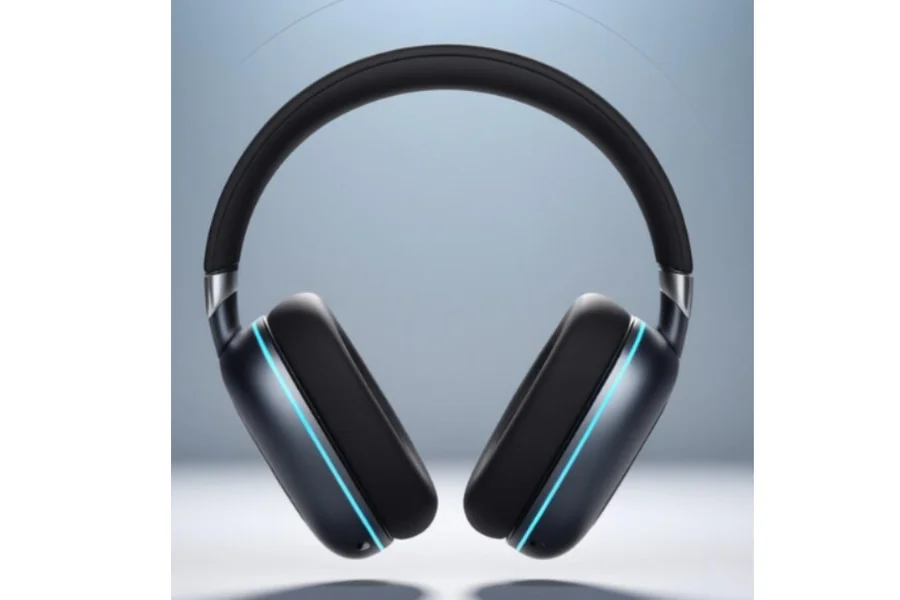
These days, lots of people wear Bluetooth earpieces regularly. Wireless headphones show up everywhere now.
Everywhere now, audio moves through the air instead of cords. On countertops, inside crowded subways – tiny devices stay right alongside. Once meant for voices only, today they shut down surrounding noise. Picture pressing a button to mute distractions when jotting ideas or speeding across digital trails. Hours pass – then a day – before the power dips low. Shifting from one screen to another just happens, like turning pages. First built only to hold calls free, they’ve grown far beyond that role. Today, Bluetooth headset one fits snug in your ear yet handles songs, meetings, games – all at full strength.
Out here, where everything moves quickly, folks lean on gear that’s light, handy, no fuss. Wireless earpieces slide right into that scene – no cords dragging around, yet sound stays sharp, steady. When you’re stuck in a call, zoning out to tunes, or glued to an online meeting, one of these little units keeps things smooth, gives breathing room during the rush.
Life moves fast now, so these things keep getting more common. With tasks piling up and movement built into each day, they fit right in. Where one moment blends into the next, their role makes sense. Moving through crowded schedules, people find them useful. Not everything lines up neatly, yet they adapt easily. As habits shift, their place grows stronger.
The Evolution of Bluetooth Through the Years
Back then, wireless links between gadgets were still new when Bluetooth showed up near the end of the 1990s. Mostly, it handled tiny bits of information at first. As things moved forward, though, its speed picked up, connections held better, plus battery use dropped. What began as basic contact evolved without drawing much attention.
Now these tiny gadgets play music loud and clear, thanks to steps taken long ago. Once only good for talking on phones, their jobs have grown. Without wires getting in the way, sound moves freely through the air instead. Some listen closely during meetings held online. Others jump into fast-paced games where timing matters most.
Now things hold steady much better than before. With fewer dropouts plus clearer audio, these wireless earpieces work smoothly day after day – whether at home or during meetings.
Bluetooth headsets help people talk and listen without holding devices.
Freedom to move comes easier now that cords get left behind. Wireless sound lets people walk around without yanking phones from pockets. Staying linked happens while typing, cooking, or pacing through tasks. Those rushing between places find it fits right into motion. Connection stays strong even when hands stay busy elsewhere.
Besides linking to just one gadget, plenty of today’s headsets handle several at once. Phones shift smoothly into tablets, then over to laptops, all mid-use. Switching happens fast – no need to unplug anything manually. Folks juggling different electronics find this kind of flow fits their rhythm well.
Battery life has gotten better, which helps a lot. Some of today’s Bluetooth headsets keep running through long stretches without needing power again – perfect when you’re working all day, moving between places, or just caught up in music late into the evening.
Better Sound and Audio
Years back, Bluetooth earpieces sounded tinny, slow, with almost no punch in the beat. Not long ago, delays messed up videos while music felt thin and far away. Now? Clearer notes arrive on time, thanks to smarter signal handling inside. Better chips help too – sound moves faster without dropping pieces along the way.
Sound quality in today’s Bluetooth headphones got a boost thanks to smarter signal handling. Music comes through with sharper highs, deeper lows, not just muffled tones. Wired connections still have their edge, yet the gap shrinks more each year.
What makes headphones feel so clear now? Part of it comes from noise control systems that quiet down the surrounding chaos. When the city sounds swarm – traffic, chatter, clatter – it strips those away slowly. Focus shifts back to music, voice, whatever plays inside. Riding trains or sitting downtown becomes less about the roar outside. The hum fades. Attention stays put.
Smart features that make using things easier
Some newer Bluetooth headsets include clever extras meant to simplify daily use. With just light touches, people can shift tracks, tweak sound levels, or take incoming calls. That means less time grabbing at phones during busy moments.
Most people now use voice helpers every day. Starting a task by speaking feels natural instead of tapping screens. Getting answers, placing calls, or sending notes happens just through speech. Hands stay free while things get done around the home or on the move. Simple words open up tools that once needed touch.
When wet from downpours or dusty backroads, some improved models just carry on, brushing off grime like it’s nothing. Tough by design, they function fine during long hikes, heavy workouts, or fast moves between terminals.
Bluetooth headsets today fit well and look good.
These days, how a headset feels matters more than before. Worn for hours at a time, they now fit better against the ear. Weight has been trimmed down slowly over the years. Materials feel softer on the skin these days. Shape tweaks help them sit without pressing too hard.
Some newer models come with cushioned earpieces, customizable fit options, and frames built light to ease strain. Wearing these for hours feels easier because they press less on the ears.
Style matters when picking a headset. Some folks lean toward clean lines and subtle looks that fit their vibe. Yet others grab gear built tough, shaped for action. Looks shift based on where they’ll go and what they’ll do.
Bluetooth Headsets Used at Work
Nowadays, folks rely on Bluetooth headsets just to get through the workday. Since working from home took off – along with endless video calls – being heard clearly matters a whole lot more.
Walking around does not stop someone from joining a meeting. Calls happen easily, even when hands are busy with something else. Moving through the day feels smoother because talking to coworkers fits into other tasks. Time slips less often when tools adapt to motion instead of demanding stillness. Efficiency grows without needing to sit down.
Clear sound comes through when today’s headsets use well-made mics, cutting down on confusion during serious talks. Because of this, they fit right into offices where getting words across matters a lot.
Fixing Connection and Safety Issues
Most folks once questioned how far Bluetooth could reach and whether it kept data safe. Today’s wireless earpieces handle distance much better while locking down privacy tighter than before.
These days, plenty of gadgets keep a steady link across distances up to ten meters – or even farther – making them handy for living rooms, work desks, or cafes. Because of that reach, people can walk about without their signal dropping.
Built on stronger coding methods, safety levels have risen noticeably. Because of this shift, information and sound streams now dodge unwanted access more effectively – a clear step up from earlier Bluetooth versions when privacy slipped too easily.
How music creation and sharing have evolved
One day, they just appeared – those tiny earpieces clinging to people’s ears. Suddenly,y cords felt like old news, tangled reminders of a slower time. Wired models? They’re still around, though fewer folks reach for them now that wireless choices offer freedom to move.
Out of nowhere, makers started pushing new ideas harder. One thing led to another – sound got sharper, batteries lasted longer, all while tech inside quietly stepped up. Competition simply changed what was expected.
Because of these changes, people can find plenty of solid audio gear today – easier to use, packed with extras, much smoother than in the past.
Headsets Made with Environmental Care
Out in the open, eco-awareness shapes how Bluetooth headsets come together. Some makers swap old materials for ones that can loop back into use, tossing less into landfills. Less clutter wraps each product, cutting down what piles up after unboxing.
Battery life keeps getting better, as plenty of headsets now run longer on less juice without sacrificing speed. This shift hints at how tech makers are slowly taking greener choices more seriously.
The Future Of Bluetooth Headsets
Sound could shift itself, soon, when you move through different spaces. A smarter kind of tech might listen first, then tweak what you hear without asking. Tiny changes happen fast – no buttons needed. What surrounds you may shape how clear things sound.
Headphones might soon track your heartbeat or how stressed you feel just by being worn. With sensors built in, they could handle both calls and checkups at once.
One step ahead might involve tighter links to augmented reality tech. Immersive audio scenes could become lifelike, pulling listeners deeper through dynamic feedback. Sound may respond, shift, adapt – almost like it’s aware.
Faster chips mean smarter earpieces down the road. These gadgets might adjust volume by themselves when the outside gets noisy. One day, they could link straight to your glasses or watch without any setup. Some models may last weeks on a single charge. New materials make them lighter than before. Software updates happen quietly in the background now. Fewer buttons are needed thanks to voice controls. Signals stay strong even in crowded stations. Battery cases fit more easily in pockets today. Sound quality improves bit by bit every year.
A Technology Still Changing
Out of nowhere, these tiny gadgets shifted how people talk, listen, and play. Wireless movement sparked a quiet shift – no more tangled wires pulling at pockets. Sound got sharper, clearer, almost like being there. A pause between notes feels natural now. Built-in smarts answer questions, skip songs, and adjust volume without touching a phone. Comfort matters too – they stay put during long days or quick runs. Some even block out city noise like magic. Little by little, they became hard to live without. Freedom moves with you when cords vanish. Daily routines feel smoother, somehow.
One step ahead, these gadgets adapt as people’s habits shift over time. Not just faster but sharper too, they fit more naturally into daily life. Comfort grows along with brains, shaping how we listen without wires. Still standing strong, they hold their place in what comes next for personal sound.