
How HVAC Contractors Help Prevent System Failures During Extreme Weather Conditions
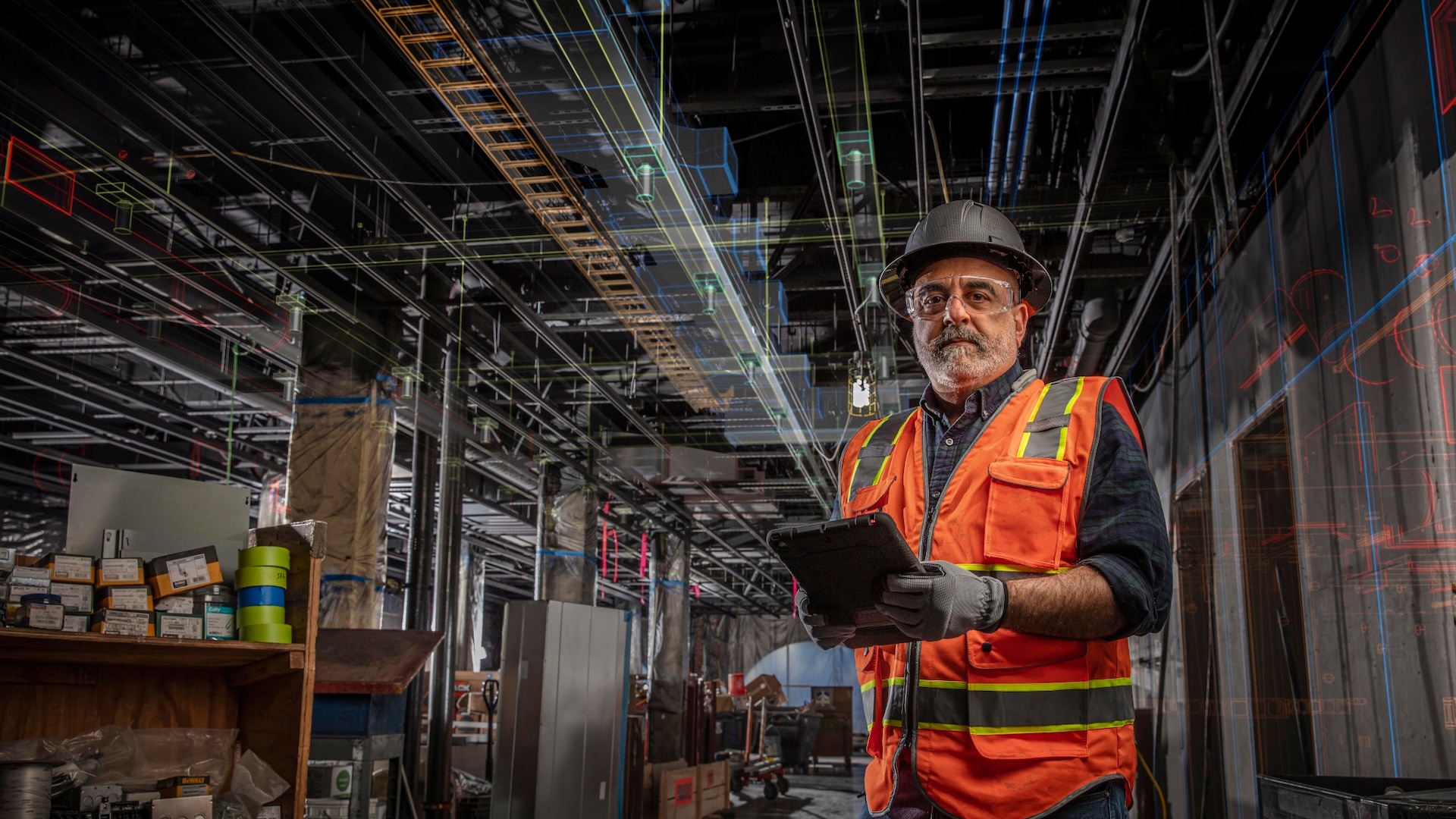
Extreme weather conditions place significant pressure on heating and cooling systems, often pushing them beyond normal operating limits. When temperatures rise sharply or drop unexpectedly, HVAC systems must work harder to maintain indoor comfort, which increases the risk of wear and breakdowns. Contractors play a crucial role in preparing these systems to handle such stress through inspection, adjustment, and preventive maintenance.
Their work helps reduce sudden failures that could leave homes or buildings uncomfortable or unsafe during critical weather periods. By addressing weak points in advance, they improve reliability and system longevity under demanding conditions.
Weather resilience strategies for HVAC systems
1. System readiness before weather shifts
Preparation of equipment before seasonal or extreme weather variations takes place is one of the main ways HVAC contractors can help prevent system failures. This includes checking on the components of the system like the coils, filters, belts and the thermostats to ensure that they are operating within safe limits. Contractors also examine signs of wear at an early stage that might increase under pressure. They lower the risk of having emergency breakdowns during heatwaves or cold snaps by detecting problems and fixing them before they escalate.
Correct calibration of system controls will guarantee that equipment reacts correctly to changes in temperature, avoiding excessive strain. This state of preparation is important in that when systems go into extreme weather conditions, they are in poor condition and are therefore more likely to fail. Contractors also take care of the unhindered pathways of airflow, so that systems can perform their functions efficiently even when demand suddenly increases.
2. Load balancing during peak temperature stress
HVAC systems tend to run at full capacity longer periods in times of extreme heat or cold. Contractors can assist in alleviating this stress through balancing of the system loads to avoid overheating or overworking of major components. This can be by adjusting the fan speed, optimizing the cycles of the thermostat and ensuring that distribution of energy in the system is stable. Balanced operation minimizes the chances of unexpected shutdowns due to overload conditions. In most instances the contractors also suggest staged cooling or heating changes so as to prevent constant pressure on compressors.
Additionally, systems maintained by Modern Mechanical HVAC exhibit greater stability during peak-demand periods due to structured load-management practices. These adjustments are particularly important in buildings with high occupancy levels, where temperature fluctuations can be more intense. Proper load balancing not only protects the system but also ensures consistent indoor comfort, even when outdoor conditions are severe and unpredictable.
3. Protecting electrical components from surges
Another significant issue is the stability of electricity during the extreme weather patterns, particularly when a storm or change in the electricity grid takes place. HVAC contractors are concerned with ensuring that sensitive electrical equipment is not damaged due to power surges or due to inconsistent voltage levels. This involves checking of wiring connections, control board security and grounding systems. Contractors can also consider the state of capacitors and relays that are susceptible in unstable electrical circumstances. Prevention lowers the chances of abrupt breakdown of the system due to electrical overloading.
Moreover, it is possible to recommend surge protecting devices with the aim of protecting the whole HVAC unit in case of unexpected power increases. Through keeping the systems electrically sound, the contractors serve to ensure that the systems remain operationally sound, even when there is a storm, or when the power supply delivered to the systems is fluctuating. This upstream measure is vital in the process of averting the occurrence of expensive damages, and ensuring the resilience of the systems in the event of unpredictable environmental conditions.
4. Airflow regulation under extreme conditions
Airflow is a key factor in HVAC performance and this is more evident during extreme weather conditions when the system has to work harder to maintain balance. Contractors are keen on regulating airflow to make sure that distribution is even all through a building. This involves checking ductwork to check whether it leaks or not, checking the dampers, and ensuring that the vents are not blocked. This can result in an uneven distribution of temperature causing the system to overcompensate and create high chances of failure. Filter conditions are also evaluated by the contractors because clogged filters may severely affect the efficiency of airflow.
This ensures that they are not straining compressors and fans because they have taken proper care to maintain the proper airflow to the load. Even small airflow problems can spiral out of control in extreme weather conditions and it is therefore necessary to monitor them regularly. A well regulated system will be efficient, responsive and able to accommodate a sudden change in the environment without undue stress and breakdown.
5. Preventing refrigerant strain in harsh climates
The level and circulation of refrigerant is a critical parameter in the performance of the HVAC system, especially in the extreme-heat conditions. To avoid the damage of compressors and inefficiency in cooling, contractors ensure that the refrigerant pressure is kept within safe operating limits. The result of low or unbalanced levels of refrigerants in the system can be the overworking of the system that leads to overheating or mechanical failure. Contractors also inspect to make sure that there are no leaks, pressure readings are normal, and that cooling cycles are operating properly during inspections. They also determine whether the system is adequately insulated to ensure the refrigerant efficiency in the system under temperature extremes. With properly maintained refrigerant systems, HVAC unit will be able to react better to sudden changes in the environment without undue strain. This minimises the chances of unexpected failures in peak summer times when demand is at its peak. Stabilizing refrigerants is majorly important to achieve long-term system durability and stability in performance under severe climatic conditions.
6. Monitoring and rapid response adjustments
The constant monitoring enables HVAC contractors to observe the early warning signs of stress in the system before it turns into a serious failure. This involves monitoring the changes in temperature, energy usage and the rate at which the system cycles. In case of irregularities, prompt corrections can be taken to stabilize the situation and avoid the subsequent harm. Contractors can re-calibrate thermostats, or adjust airflow settings, or check mechanical components to rectify emerging problems.
This is particularly relevant when dealing with long durations of severe weather, systems are in continuous demand. The early detection of issues prevents unforeseen closure and prolongs the life of equipment. Frequent monitoring is also a good source of data to enhance the performance of the system under similar conditions in the future. By anticipating the issues that may arise, the contractors would make sure that the HVAC system does not become unstable and unreliable even when the environmental conditions are rapidly changing.
Read Also: When Should You Take Digestive Signals Seriously?
7. Maintaining reliability in extreme weather
To guarantee reliability of the HVAC systems in case of extreme weather conditions, it is crucial to pay attention to detail, preventive maintenance, and timely intervention. Contractors are crucial in ensuring systems are not under stress due to extreme temperatures, power outages and constant workload. Their work will ensure the indoor comfort and minimize the risks of sudden failures which may interfere with the everyday activities. They enhance the overall system resilience by focusing on mechanical, electrical, and airflow-related issues in advance.
This preemptive strategy will keep heating and cooling systems up to date even in hard to come by circumstances. Consistent performance under severe climatic conditions is not only beneficial in safeguarding equipment, but also aids in keeping occupants comfortable and safe. By monitoring and constantly readjusting to environmental stress, HVAC systems are more apt to handle environmental stress, leading to a reduction in the number of breakdowns and more stable long-term operation over a variety of climate conditions.