
The Connection Between Ductwork Condition and Air Conditioning Contractor Performance
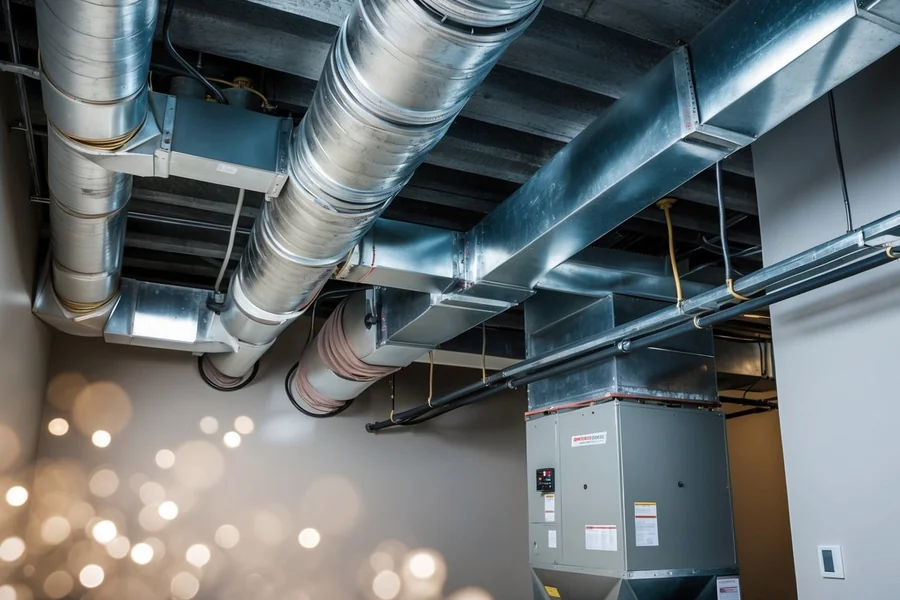
Ductwork is a key consideration in the distribution of air throughout a building used with cooling systems, but is frequently disregarded when assessing the overall effectiveness of a cooling system. With the ducts clean, properly sealed and correctly sized, the ducts permit the conditioned air to flow efficiently out of the cooling unit into each room. But, when ductwork is damaged, clogged or poorly installed, this affects the airflow and further strains the whole system. This disproportion is influenced on the indoor comfort, energy consumption, and equipment longevity.
The state of ductwork can directly affect the effectiveness of cooling systems to operate under different weather conditions and usage patterns. Knowing this relationship will shed some light as to why some cooling systems are easily managed whereas others are hard to manage when the equipment is of similar quality. Most performance problems that have been related to cooling units are actually as a result of airflow resistance, leaks, or blockages within the duct network but not the unit itself.
Ductwork Fundamentals and System Efficiency
1. Ductwork Quality as a Performance Determinant
The state of ductwork is often used to ascertain how effectively a cooling system will work in real-life situations. Even with a properly-sized and installed system, compromised ducts may cause uneven cooling, increased energy usage, and unnecessary wear on the system components. Leaks of air, such as those, make less cooled air flow to target spaces, making rooms feel warmer than they would have been otherwise. Further obstructions may be caused by dusts and improper maintenance, which reduces airflow further, forcing the system to run longer cycles. This ongoing stress in the long term reduces the life of equipment and the maintenance requirement. Duke or ducts with poor insulation also result in the loss of heat during air travel across the duct and in front of the living spaces.
All these problems prove that ductwork is not only passive element, but active factor contributing to the work of the system. With well-maintained ducts, the building can help in ensuring that the cooling system operates well to provide consistent comfort to the building and also to ensure the building is energy efficient.
2. Professional Assessment and System Interaction
A properly functioning cooling system relies heavily on the relationship between mechanical components and airflow pathways. This is where the role of an Air conditioning contractor becomes significant, as evaluating system performance requires more than just inspecting the cooling unit itself. Contractors often assess duct integrity, airflow balance, and pressure levels to determine whether inefficiencies originate within the duct network. When ductwork conditions are ignored, even newly installed systems may fail to meet expected performance levels. Restrictions in airflow can mimic mechanical failure, leading to misdiagnosis if the ducts are not carefully examined. In many cases, adjustments to duct sealing or redesigning airflow routes can significantly improve system output without replacing major equipment.
Professional AC repair Rome GA technicians can help address these underlying mechanical or airflow issues before they develop into larger system failures.
This interconnected nature between ducts and mechanical systems highlights why performance evaluation must include a full-system approach. Without considering ductwork conditions, assessments of cooling performance remain incomplete and may lead to recurring operational issues that could otherwise be avoided through proper evaluation and correction.
3. Airflow Balance and Comfort Distribution
One of the most significant elements in ensuring a consistent indoor comfort, and the state of the ductwork is a direct contributor to it. With a proper design and maintenance of ducts, there is even distribution of air in all rooms avoiding temperature differences and awkward hot or cold places. But leaks, obstructions or improper size of duct sections will disrupt this balance, resulting in some areas receiving more airflow than others. This lack of equilibrium compels occupants to fine tune thermostats more often which leads to the use of more energy and decreased efficiency of the system.
Indeed, in the long run, an uneven airflow may also result in humidity control problems, the perception of air quality, and the perception of comfort. Balanced system of ducts in the rooms of the building will result in a correct distribution of the conditioned air to each room, and in a proper working of the cooling system within the proper parameters. The airflow balance is not only a factor of comfort but also of ensuring that the system does not overwork itself in an attempt to balance the system in response to distribution issues due to deficiencies in ductwork design.
4. Energy Consumption and System Load
The condition of ductwork directly determines the amount of energy which a cooling system will use during operation. Air passes efficiently when the ducts are unobstructed and sealed, meaning that the system will attain desired temperatures without a prolonged running time. Leaks or restrictions however enhance the load on a system by compelling the unit to work even harder to deliver the same amount of cooling. This other load translates to high use of electricity and high costs in the long run of operation. Some may also involve inefficient ductwork that may result in a system running continuously without reaching optimal performance that may cause unnecessary wear on compressors and fans.
Properly maintained and insulated ducts are used to reduce energy loss in the distribution of air ensuring that cooled air does not lose its temperature until it reaches its destination. Not only does it minimize utility costs but also promotes increased equipment life. The correlation between duct condition and energy utilization underlines the importance of minor structural issues in ductwork and the effects they may have on the overall performance of the system and its cost-efficiency.
5. Maintenance Challenges and System Longevity
Preserving ductwork in a good condition is one of the current challenges that directly affect the life of cooling systems. Gradually, duct efficiency could be impaired due to the accumulation of dust, wear and tear of the structure, as well as accidental damage, unless addressed promptly. Periodic check-ups can be used to detect problems like air leakage, joint disconnection, or deterioration of the insulation prior to developing into larger system problems. When duct issues continue, the cooling system will work to cover them by adding output that will work to add strain on mechanical elements. This over time speeds up wear and chances of breakdowns increase.
Proper maintenance practices should not be confined to cleaning filters, servicing the cooling unit; rather, it should extend to the evaluation of the integrity of the entire duct network. By maintaining the ducts in airtight and structurally sound conditions, the system can operate under optimal conditions, eliminating strain and increasing the limit of its functional life. Actual care to the state of ductwork is eventually contributing to a more responsible and steadfast cooling premises.
6. System Diagnostics and Performance Optimization
There is a complex interaction between ductwork and mechanical systems, which requires a thorough understanding to diagnose performance problems in cooling systems. A large number of inefficiencies that seem to have their genesis in the cooling unit are in fact the result of airflow interference due to duct conditions. Common techniques used to discover latent problems in the duct network are pressure testing, airflow measurement, and thermal analysis. When such problems are identified, specific corrections, e.g., sealing duct leaks, revising duct layout, or improving duct insulation, can greatly improve system performance. The need to optimize ductwork is not always an issue that requires significant reconstruction, in some cases, minor adjustments can result in the noticeable change in the airflow and energy efficiency.
Optimally designed duct system will enable the cooling unit to perform within the designed capacity thus reducing the pressure and enhancing the overall performance consistency. This diagnostic process demonstrates the need to view ductwork as an evaluation component as well as a means to improve performance, not as a secondary component.
The state of the ductwork is much connected to the effectiveness of the cooling system in its everyday functioning. Airflow distribution, energy efficiency, length of system life, and operational stability are just a few of the areas that ducts impact. Properly maintained, sealed and designed, duct networks encourage easy airflow and eliminate pressure on mechanical elements. On the other hand, ductwork that has been neglected may cause inefficiencies that imitate system failure thus leading to unnecessary repairs and high energy expenditures. The recognition of this relationship makes it possible to better evaluate the system and achieve better results of the long-term performance.
Without a duct network which provides continuity and efficiency of airflow, a cooling system will never reach its full potential. By acknowledging the value of ductwork condition, building owners and service professionals may implement more reliable operation, greater comfort, and decreased load on the entire cooling system.