
What Is Chile’s Currency And How To Spend It Like A Local Pro
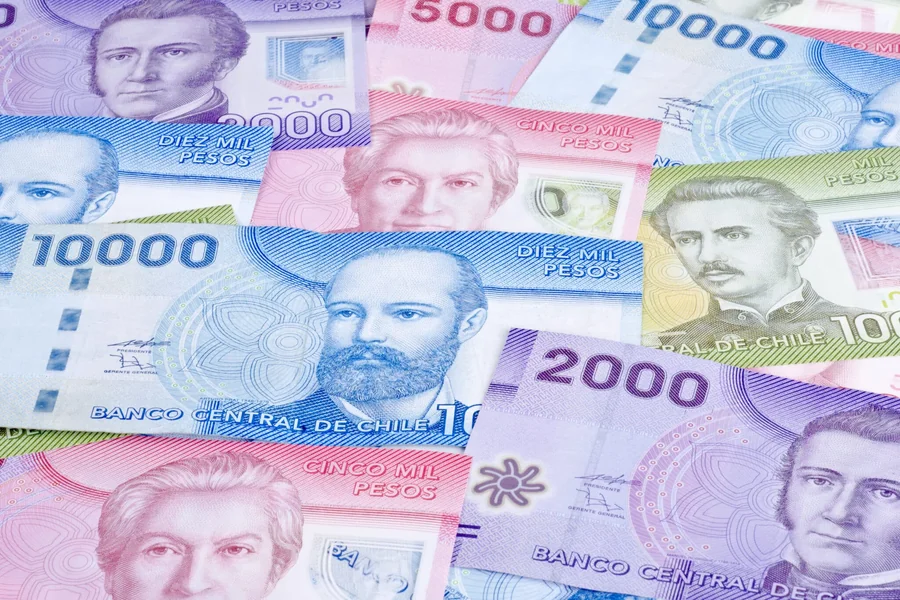
Traveling down to South America is an amazing life adventure. The snowy mountains are huge and the local food is incredible. But stepping off an airplane in a brand new country is deeply stressful. You are totally exhausted and very thirsty. You just want to buy a simple cold bottle of water. Then you look closely at the store price tag. It says 1,500. Panic instantly sets in. You might ask yourself exactly What Is Chile’s Currency and why are the numbers so incredibly huge? This is a completely normal human reaction. Dealing with foreign paper money is always a giant headache. People get ripped off at big airports every single day. Tourist traps absolutely love confused foreign travelers. Let us break down the exact financial facts. Knowing how to handle this specific money makes the whole trip much better. Grab a pen and learn exactly how the locals do it.
The Heavy Weight Of The Chilean Peso
The official money used down there is the Chilean Peso. In the complex global banking world, it uses the three-letter code CLP. The symbol they print on tags is the exact same dollar sign we use back home. This causes massive daily confusion for tourists visiting from the United States. You will walk into a store and see a price listed as $5,000. It is definitely not five thousand U.S. dollars. It is just five thousand local pesos. Some clever local shops write CLP$ to help confused tourists. But most everyday local places do not bother adding the extra letters. As of May 2026, the daily exchange rate hovers around 900 to 950 pesos for one single U.S. dollar. This simple math means your home money goes a very long way. You will feel like an absolute millionaire walking around the city streets. Your travel wallet will be stuffed with colorful bills showing giant printed numbers. It always takes a few days for your brain to completely adjust to the math.
Ditching The Old Escudo For Something Better
The hidden history of this money is actually pretty wild. Decades ago, the country used a totally different type of currency. It was called the Escudo. It was an absolute financial disaster for everyone. In the early 1970s, the national inflation rate was completely out of control. Everyday prices would double in a matter of just a few days. Regular working people were completely miserable. The government finally threw the broken Escudo right in the trash. In 1975, they bravely brought back the old peso system. It was a truly brilliant move by their leaders. They slowly stabilized the whole struggling economy. Anyone working in global finance knows this historic story very well. It is a classic textbook example of fixing a broken money system. Today, the modern peso is incredibly strong and stable. It is easily one of the most reliable currencies in all of South America. Wealthy investors trust it. Everyday working citizens trust it too.
Colorful Plastic Bills And Pirate Pocket Change
The physical cash itself looks really cool up close. The paper bills are brightly colored and very pretty. You will see vibrant shades of red, blue, green, and yellow. This visual style is totally different from the boring green money used in the states. The bright colors actually serve a very smart purpose. They stop you from handing over the wrong bill in the back of a dark taxi at night. The printed notes feature famous faces from their own local history. Real local poets, teachers, and military heroes decorate the paper. The newer bills are actually made of a tough polymer plastic material. You can accidentally wash them in your hotel laundry sink. They survive the soapy water completely fine. They do not rip or tear easily at all. The metal coins are very heavy and satisfying to hold. They come in 10, 50, 100, and 500 numbered denominations. The large 500 coin is big and features gold and silver colors. It literally feels like holding heavy pirate treasure in your palm.
The Weird But Brilliant Rule About Pennies
A few years ago, the national government made a very smart choice. They completely killed off the tiny 1-peso and 5-peso coins. They were absolutely worthless pieces of metal. The raw copper cost more to melt down than the actual coin was worth. People literally threw them in the street trash. Now, cash sales follow a very strict mathematical rounding rule. It is a brilliant system the whole world should probably copy.
If a cash total ends in 1, 2, 3, 4, or 5, the cashier rounds the price down. If a cash total ends in 6, 7, 8, or 9, the cashier rounds the price up. You never have to carry annoying little copper pennies in your pocket again. Credit card sales still charge the exact precise penny amount. This clever rule saves everyone valuable time at the busy grocery store checkout line. Nobody is digging blindly in their purse for exact change anymore.
Beating The Sneaky Airport Exchange Trap
Never ever exchange your money at the airport terminal. It is the absolute biggest scam on the entire planet. The shiny glass kiosks near baggage claim always offer terrible rates. They secretly charge massive hidden commission fees. They prey directly on tired tourists who just want to catch a fast taxi to bed. You will lose a huge chunk of your precious travel budget before even leaving the building. Instead, just use a normal cash machine. Find a real bank ATM inside a safe shopping mall or near a major walking street. Your home bank will give you a much fairer global exchange rate. Also, you must always decline the sneaky dynamic currency conversion screen. If a machine asks to charge you directly in U.S. dollars, press the red button and say no. Always explicitly choose to be charged in the local country currency. This one simple ATM trick saves you a massive ton of cash.
Food Prices And Daily Budget Shocks
Understanding What Is Chile’s Currency is totally useless if you do not know the local prices. Santiago is a very modern, bustling, and crowded city. It is definitely not cheap to visit. It is not a dirt-cheap backpacker bargain bin anymore. A fancy steak dinner in a nice neighborhood will cost serious money. You might easily spend 50,000 pesos for two people dining out. A really good cup of morning coffee is around 2,500. A fast ride on the ultra-clean underground subway is about 800. You desperately need to map out a strict daily budget. Small farming towns outside the main city are much cheaper to visit. If you buy fresh delicious fruit at a busy street market, it costs very little. Always keep small bills folded for these outdoor markets. Street vendors absolutely hate breaking a giant 20,000 bill for a single cheap apple.
Plastic Cards Versus Cold Hard Cash
You might naturally wonder if you even need paper cash in 2026. The honest truth is you definitely need both options. Big fancy hotels, nice sit-down restaurants, and giant shopping malls gladly take plastic. Visa and Mastercard work completely flawlessly everywhere you go. But the real magic of deep travel happens in very small places. You definitely need cash for tipping friendly hiking tour guides. You need cash for buying hot empanadas from a corner street cart. You need exact coins for using public park bathrooms. Carry about 30,000 pesos in mixed small bills every single day. Keep your leather wallet buried deep inside your front pants pocket. Sneaky pickpockets absolutely love crowded bus stations and train stops. Do not flash giant thick stacks of colorful bills in public view. Be smart, stay alert, and act like you actually belong there.
Making The Most Of Your Travel Money
Mastering foreign money makes you a significantly better global traveler. You finally stop worrying about doing complex math and start enjoying the actual trip. The Chilean Peso is a remarkably stable, highly reliable piece of paper. It represents a proud country that fought very hard for lasting economic peace. The Central Bank down there does not mess around with bad policies. They aggressively keep national inflation in check. This smart strategy protects both the local citizens and the visiting tourists. When you finally pack your bags to leave, spend all your heavy coins at the airport. You cannot exchange foreign coins back home at your local bank. Buy a silly refrigerator magnet or a small bag of candy. Keep one shiny heavy 500 coin as a cool memory. It is a tiny piece of metal with a truly huge history attached to it.
FAQs
What is the official proper name of the money?
The money is legally called the Chilean Peso. It is represented by the special code CLP in global banks and on daily financial websites.
Are regular U.S. dollars accepted in normal local stores?
No. Most regular everyday stores and local restaurants only accept the official local money. You must use pesos or a standard international credit card.
Why does the store price tag show a normal dollar sign?
The country uses the exact same visual symbol as the United States. It simply means pesos when you are walking around shopping locally.
Is it actually smart to carry paper cash every day?
Yes. While big modern stores take plastic cards, small street vendors and outdoor markets require actual paper cash for all purchases.
What exactly happened to the tiny pocket coins?
The government smartly eliminated the one and five denominations entirely. Cash prices at registers are now automatically rounded to the nearest ten to save time.