
Rome Beyond the Postcards: Discovering San Lorenzo’s Creative Scene
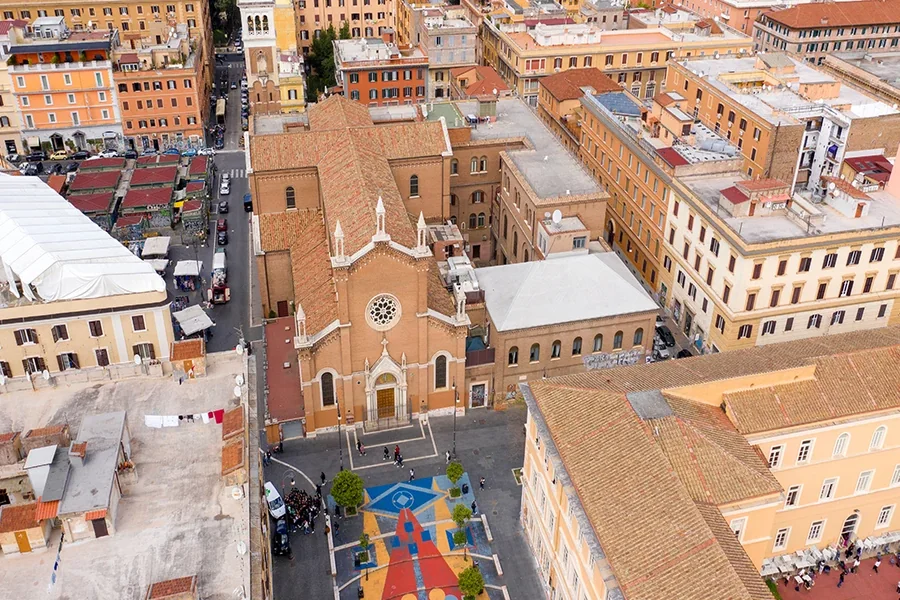
Let’s step away from the tourist trail for a moment. Rome has a neighbourhood where students discuss philosophy over a pint of cheap wine, where the murals adorn the whole façade of buildings and where the best meal you can get for the trip is cheaper than a museum ticket. Welcome to San Lorenzo.
The most common tourist route in Rome is the Colosseum, then Vatican, Trevi Fountain and then some gelato. Those are things you can see and it is worth seeing. If you’re staying just on that circuit, though, you’re missing out on the real Rome that’s alive and kicking today: the kind that debates politics in bar doorways, keeps a late night going until 3am on a Tuesday and hasn’t been Photoshopped for Instagram yet.
San Lorenzo is that Rome. Just a ten-minute walk east of Termini station, it sits close to everything but feels like a different city. For a stay in San Lorenzo with Líbere in Rome, you’re placing yourself right inside a neighbourhood that rewards curiosity — one where the real discovery happens when you put the map away.
A Brief History of the Neighbourhood
San Lorenzo’s identity is complex and multi-layered and you sense it before you grasp it. It was a working class area once, with a high proportion of labourers and artisans, and this is reflected in the rich streetscape pattern and the strong feeling of community which permeates the area.
It was one of the few Roman neighbourhoods to be bombed by the Allies during the Second World War, leaving a lasting impression on its character. It has never been completely gone here, there is a spirit of defiance, a spirit of independence. The nearby university, La Sapienza, drew in tens of thousands of students and San Lorenzo took them in with no loss. It grew, more bars, more bookstores, more late nights, and yet maintained its working class roots.
It’s the mix of those that makes it interesting. Not so “genteel” like many alternative neighbourhoods can become. It is still felt earned.
Street Art as a Living Gallery
The first thing you see in San Lorenzo are the walls. Not just a random tag on any building in a large city, but targeted, ambitious, massive and painted on the side of a building.
One of the most important outdoor art spaces of Rome is San Lorenzo. It’s had the likes of big neighbours such as Italian and international street artists and what they’ve left behind can still be seen, whether it be the old paint or the new paint, both are in dialogue with the architecture they are a part of.
It is a gallery visit on the streets by itself. Keep an eye out for work around the blocks that surround Via dei Volsci, with a high concentration of work there. Nothing is behind glass and there is no admission fee, unlike a museum. There is a 10 metre mural you can stand 2 metres away from and spend as long as you want.
Eating and Drinking Like a Local
San Lorenzo has a clean bill of health with food and drink. In this neighborhood restaurants are not made for the tourist (main customers are students and long term residents that eat out regularly and value and quality are equal).
This makes it easy to eat well. The trattorias which have been serving for 30 years are located beside newer ones, run by young chefs from the region. Portions are generous. By any standard, these prices are reasonable, by Roman standards they are truly cheap.
There is a robust aperitivo culture here! Bar’s fill up and the evening slowly unfolds after 6pm. A ritual that’s not so much about the food as it is the transition between the working day and the night ahead is many places serving snacks or small plates with a drink. Join it. It’s one of the more civilized customs that Italy has produced.
San Lorenzo is not to be missed for late night. The bars remain open late and the vitality of the street on a weekend (or even on a weekday during term time) is real. It’s a neighbourhood that’s serious about its nightlife, but not its self-absorbed nightlife.
Books, Markets and Independent Shops
It is not surprising that San Lorenzo is so close to one of the largest universities in Italy, and has a long history with print culture. Solitary bookshops can be found all around the streets—some devoted to politics, others to art and design. You can tell a lot about who lives here by simply taking a look at all of them, even if you are not purchasing anything.
A morning at the weekend market on Piazza dei Sanniti is not to be missed. This is not a tourist market: there are no mini-Colosseums or themed aprons. A real local market: second hand books, old clothes, household goods, old records. The marketplace where people really go that they have a need for.
The Verano Cemetery: An Unexpected Visit
This might seem like an odd recommendation, but the Cimitero del Verano, which borders San Lorenzo, is one of Rome’s most extraordinary and least-visited spaces. Its full name is the Cimitero Monumentale del Verano, and the monumental part is accurate — it’s a vast, elaborate garden cemetery with neoclassical architecture, ornate family tombs, and the kind of hushed grandeur that invites slow walking.
Many Italian cities have a cemetery like this — places where funerary art reaches a peak of ambition — but the Verano is particularly striking. It’s a space for contemplation that has nothing to do with death tourism and everything to do with the way Italians have historically treated remembrance as an art form.
Getting the Most Out of San Lorenzo
San Lorenzo rewards a particular kind of traveller — one who’s happy to wander without an agenda, eat wherever looks good rather than wherever has been reviewed, and spend an evening in a bar talking to whoever happens to be nearby.
A few practical notes: the neighbourhood is dense and walkable. Most of what’s worth seeing is within a ten to fifteen-minute walk of any given point. Evenings are when it really comes alive, so don’t rush dinner — arrive late and stay later. The university calendar affects the atmosphere; during term time, the energy is noticeably higher.
Most importantly: resist the pull of the tourist centre for at least one full day. Spend that day here instead. Walk the streets in the morning, when it’s quiet and the murals catch the light. Eat lunch at a table on the pavement. Come back in the evening and see how the same streets transform.
That rhythm — morning, afternoon, evening in the same neighbourhood — is how you actually get to know a place. And San Lorenzo is a place worth knowing.