
Bringing Up Children in North America Who Still Understand Albanian
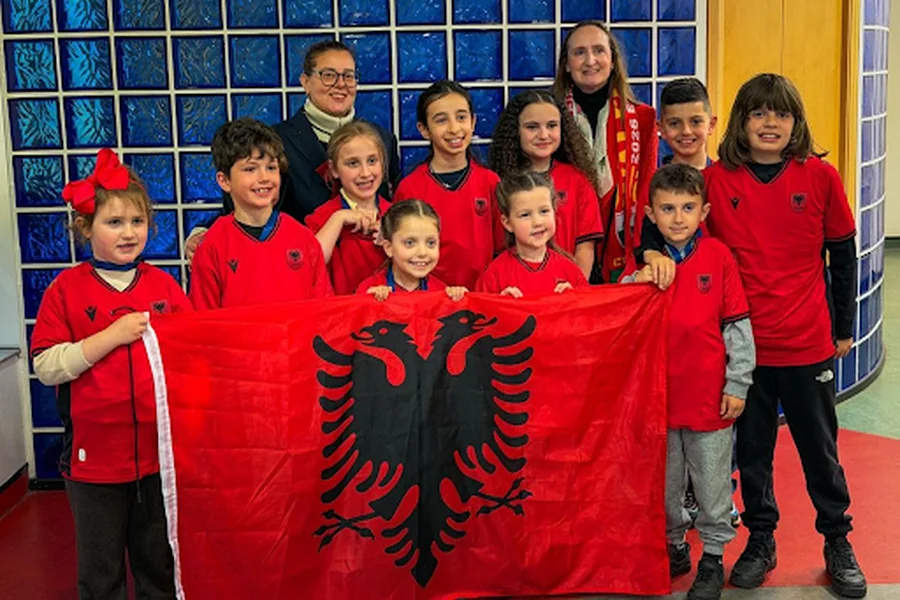
There is a moment that all North American Albanian parents understand. You say “Set the table”, “Now it’s time for dinner” and your child responds in English. Not because they were not given an understanding. They understood fine. Somehow, the language of the response changed and now we need to work to retrieve it.
It’s not something that just occurs at once. It’s just like most things in childhood, it’s a slow and steady process and then suddenly.
One of the more handy tools that has been at the disposal of families trying to maintain that line is television, (TV shqiptar) – that language contact that doesn’t come across like homework.
The actual damage of Passive Exposure.
There is a difference between learning the Albanian language and being exposed to Albanian for years. The second one is about rhythm and idiom and how a sentence “lands” before it is complete. This sort of fluency doesn’t arise from textbooks.
For children who live in an English-speaking school and society, television is one of the few avenues available to provide such input regularly. In other words, when Albanian is being used throughout to the background during meals, weekends mornings, when someone is folding laundry. It remains in the ear even if no one is focused on it.
That’s what many parents who use Kanale Televizive Shqip in the family environment often say: Kids did not study Albanian, but watched TV. And then one day they were laughing at something before the subtitle even appeared.
The Programming Mix Matters
Some material is suitable for children better than others. News programming helps keep adults engaged, children need something they will sit with – cartoons, kids shows, program content that holds their interest, and entertains them without forcing vocabulary.
There are 250+ channels in the Albanian language (programet shqip) so there’s enough to keep a 6-year old interested and enough to keep a teenager interested — which is an equal challenge. The teenager is the toughest case. At that time their social world is dominated by English language content; Albanian TV has to fight for a place in their TV viewing. Demonstrates fast, current, non-parent content.
The Internet of Things and Everyday Things.
Families’ actual viewing habits have evolved. Not necessarily the living room TV. Much of it takes place on tablets, while on phones before sleep, on a laptop while a parent is cooking in another room. It should be adaptable to go with the family.
The TVALB, the top provider of Albanian television and entertainment in the United States and Canada, operates on Smart TVs, Android devices and iOS, so the same subscription will cover the children’s favorite television in the bedroom and the family’s TV. Accessibility is important when you’re not an event, but a habit.
The Argument for Starting Early
Language acquisition window is well established but parents tend to push window later. It’s never ending, there is always something else to do. When it becomes a pressing matter, the children are teenagers and they have more resistance.
Families who speak Albanian at home when they are young and young children have an easier time in their later years. But because the language was not completely removed, but merely never taught. What the child heard at dinner when he or she was a toddler, the child saw when she was a little older watching TV content that was shown in Albanian, that input goes into him or her when he or she is a teenager, and that input remains with the child even if he doesn’t use it every day.
Does not guarantee fluency. But it does not start from the beginning at 14.
What It Comes Down To
Language maintenance from one generation to the next is more about the way it was done, the way it “just happened,” than about a dramatic effort. Typically, it was part of the home life of the families that run them that they didn’t have a formal strategy for using the media in their homes; it was just something they did, and it got embedded in their home lives early enough that it stuck.
When the subscription is available on all of the devices in the home, and offers enough variety of content to keep multiple generations reading, there is much less friction. The background language does the rest, in the background, just the way children learn when they’re not trying to.