
Kratom Strains And Their Uses: What Beginners Should Know

Beginners often feel overwhelmed when exploring kratom strains for the first time. Names such as Maeng Da, Bali, or Jongkong seem significant, but they do not clearly indicate what the product is or how it differs from other products. This confusion is often the cause of indecision, overly high or low expectations, or rushed product choices.
The best place to start is by understanding how the various strains are categorized and why their names are used. Once you educate yourself on vein colors, strain labels, and product classifications, comparing options becomes much easier and far less overwhelming.
This article explains what kratom strains mean, how they are commonly used, and what beginners should know before deciding.
What are Kratom Strains?
Kratom is a tropical plant called Mitragyna speciosa, which comes from Southeast Asia. The leaves have been traditionally ground into powders, capsules, and extracts, and are categorized into strains based on their perceived qualities and experience.
For beginners, Kratom strains are simply naming systems used to organize products into recognizable groups. These categories help users compare options more easily, especially when exploring different effects and product varieties for the first time.
1. Main Types of Kratom Strains
Most products available for purchase are sorted by vein color. The three most common types are Red Vein, Green Vein, and White Vein Kratom. These groups are often linked to various user experiences and are commonly found throughout the market.
Red Vein Kratom is commonly linked to slower-paced and more calming experiences. On the other hand, White Vein varieties tend to stimulate alertness, whereas Green Vein products tend to provide a more balanced experience. These categories are not exact scientific divisions, but they do help simplify product selection for beginners.
Besides the vein colors, products are also classified according to strain names such as Maeng Da, Bali, Jongkong, and Borneo. These names serve to further categorize products and are widely used for comparison and navigation purposes.
2. Why Do Many Strain Names Exist?
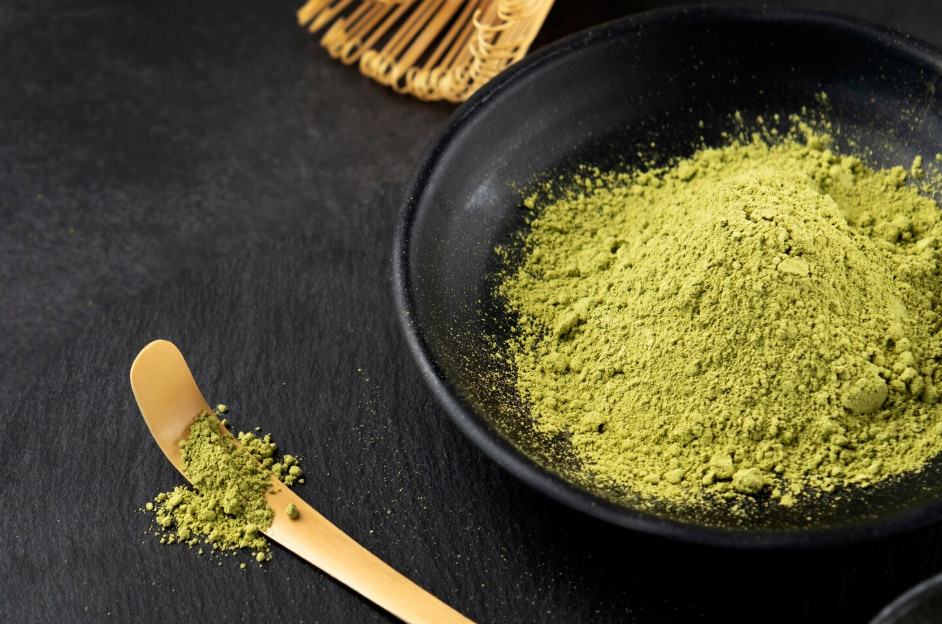
It is easy for newcomers to the world of Kratom to get overwhelmed by all the names of the different strains. This typically occurs due to differences between vendors, based on sourcing, processing, and minor variations in batches that the consumer may or may not notice.
This variation is also influenced by the environment. Factors such as soil quality, climate, harvest timing, and drying techniques can all influence the alkaloid composition of Mitragyna speciosa. This is because these chemical profiles often differ greatly between samples, and even within the general category of samples.
That is why products that have the same or even the same strain names might feel slightly different in actual use, particularly if they are from a different batch or a different production cycle.
3. Naming Structure Used in Market
Strain names also serve a commercial function. They primarily serve to structure a wide, complex product selection into simpler groups that are easier for beginners to understand.
Exotic terms such as “Maeng Da” may suggest a higher-grade product, whereas names like “Bali” or “Borneo” are popular general classification terms. These are widely used throughout the industry and are applied both consistently and inconsistently across the market.
For beginners, the most practical approach is to view these names as navigation tools rather than precise indicators of how a product will perform. This perspective helps reduce confusion and makes early selection decisions much more straightforward.
What Are Kratom Strain Uses?
Kratom strains are categorized by their typical effects that consumers can use as a guide for choosing between energy, relaxation, balance, or discomfort support for their particular use.
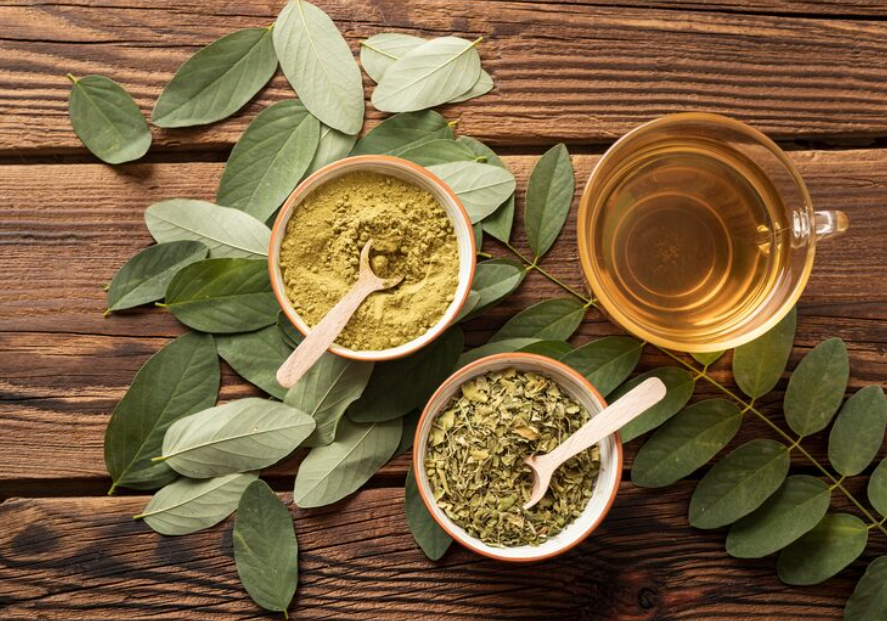
1. Energy Support and Alertness
Some strains of the Kratom plant are commonly linked to more stimulating effects and alertness-producing properties. These are typically associated with the white vein type and with some products labeled as Maeng Da.
These types are generally considered more stimulating than other user experiences. However, the intensity may vary widely depending on dosage and product quality. A pharmacology review also highlights that alkaloid concentration, especially mitragynine levels, plays a major role in stimulating effects rather than strain labeling alone.
For beginners, these products are usually chosen during daytime use when focus and mental clarity are desired.
2. Relaxation and Stress Reduction
Red vein kratom is often associated with calming or relaxing experiences. It is popular for users looking for nighttime use or daily stress release.
The soothing properties have been associated with variations in the ratio of alkaloids, which may alter the response to the plant's compounds. Furthermore, these differences impact sedating findings, subject to dosage and individual susceptibility
As a result, beginners often gravitate toward red strains when they want a slower-paced, more settled experience compared to stimulating varieties
3. Pain and Discomfort Support
Some individuals turn to various strains of kratom to help them treat physical pain. Red vein products are most commonly associated with this use case because of their calming, slower-paced profile.
Traditional descriptions often connect certain strains with pain relief. However, scientific reviews explain that alkaloid interaction with opioid receptors is complex and highly dose-dependent. As a result, this leads to inconsistent user experiences between products and individuals.
Product quality and consistency are also important. Even within strain categories, differences in alkaloid composition can influence overall effectiveness. Therefore, beginners must choose the most suitable products and adopt responsible use habits.
Conclusion
The strains of Kratom should be regarded as a structured naming convention used for ease in addressing product diversity. They provide a framework for organizing options, but they do not guarantee specific effects or outcomes. However, factors such as vein color, alkaloid content, dose, and product quality might contribute more to the overall experience.
For beginners, the best approach is to focus on the classification system, start with straightforward options, and then observe individual responses over time. Once this base is established, it becomes much easier to choose kratom products without the load of uncertainty.