
The Home Design Trends Making Everyday Chores Less Stressful
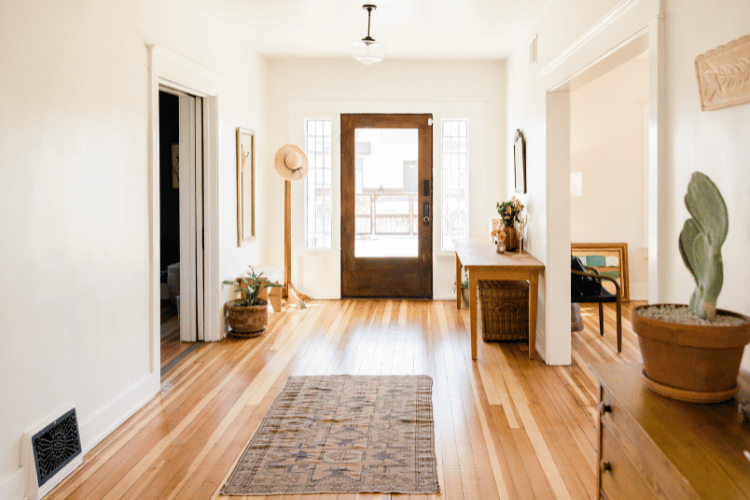
A well-designed home should do more than look attractive. It should make daily life feel easier. While many people focus on aesthetics when decorating, an increasing number of homeowners are choosing design features that simplify everyday tasks. From clutter-free storage to materials that are easy to maintain, thoughtful design can reduce the time and effort spent on routine chores while creating a calmer living environment.
The shift toward practical home design isn’t about sacrificing style. Instead, it’s about finding solutions that work with your lifestyle. Whether you’re renovating an entire house or making small upgrades room by room, the right choices can help you spend less time managing your home and more time enjoying it.
Functional Spaces That Work Smarter
One of the biggest home design trends is creating rooms that serve a clear purpose without adding unnecessary complexity. Instead of filling spaces with decorative items that require constant cleaning or rearranging, homeowners are choosing layouts that prioritize function. Many homeowners also rely on reviews bobsweep to compare robotic cleaning solutions that help maintain these streamlined spaces with minimal daily effort.
Simple changes can make a noticeable difference, including:
- Built-in storage that keeps everyday items out of sight
- Entryway organizers for shoes, coats, and bags
- Laundry rooms designed with folding surfaces and accessible shelving
- Kitchen layouts that reduce unnecessary movement during meal preparation
When everything has a designated place, cleaning becomes quicker because clutter doesn’t have a chance to build up. The result is a home that feels more organized with less daily effort.
Choosing Materials That Are Easy to Maintain
Beautiful finishes don’t have to come with high maintenance. Many modern homes now feature materials selected specifically for their durability and ease of care.
Quartz countertops, washable paint finishes, stain-resistant fabrics, and durable flooring all help reduce ongoing maintenance. These choices allow homeowners to spend less time worrying about preserving surfaces and more time using their spaces comfortably.
The same thinking extends into the bedroom. Bedding is one household item that requires frequent care, yet traditional duvet covers can be frustrating to remove and replace. Companies like www.dozebedding.com have recognized this everyday challenge by designing bedding that simplifies one of the most disliked household tasks. Their Quick-Change Duvet System uses a three-sided zipper and patented snap-corner system that makes changing a duvet far more straightforward than traditional designs.
Small Innovations Can Have a Big Impact
Not every stress-reducing home improvement requires a major renovation. Sometimes, the smallest innovations save the most time over the course of a year. Products that eliminate repetitive frustration often become the ones homeowners appreciate most. Whether it’s soft-close drawers, touchless faucets, or practical bedding systems, thoughtful product design removes unnecessary steps from everyday routines.
These kinds of improvements may seem minor individually, but together they create a home that supports daily life instead of adding to its demands.
Designing for Comfort Instead of Perfection
Many homeowners are moving away from creating rooms that look untouched and toward spaces designed to be lived in comfortably. This mindset encourages choices that support everyday routines rather than requiring constant maintenance. Comfortable seating, practical storage, and furnishings that withstand regular use often outperform delicate decorative pieces that require ongoing care.
Bedrooms illustrate this shift particularly well. Instead of treating the room purely as a showcase, homeowners increasingly prioritize sleep quality, easy maintenance, and functional organization. Comfortable bedding, accessible storage, and furniture with multiple uses all contribute to a room that’s easier to manage day after day. The goal isn’t to create a picture-perfect home. It’s to create one that supports the people living in it.
Making Household Tasks Feel Less Overwhelming
Stress often comes from the accumulation of small frustrations rather than one large problem. Looking for missing items, struggling with awkward storage, or putting off chores because they feel difficult can all add unnecessary mental load.
Design can reduce these everyday obstacles by encouraging habits that naturally keep the home organized. Some practical ideas include:
- Keeping cleaning supplies close to where they’re used
- Using labeled storage bins for seasonal items
- Selecting furniture with hidden storage compartments
- Creating designated drop zones for keys, mail, and electronics
- Choosing products designed to simplify repetitive household tasks
Rather than relying on motivation alone, these design decisions make it easier to maintain an organized home without constantly thinking about it.
Home Design That Supports Everyday Living
The most successful home trends aren’t always the most dramatic. Often, they’re the ones that quietly improve everyday life in ways that become noticeable over time.
Thoughtful layouts, practical materials, accessible storage, and well-designed household products all contribute to a home that’s easier to care for. As more homeowners prioritize convenience alongside style, design is becoming less about impressing visitors and more about supporting the routines that happen behind closed doors.
Final Thoughts
A less stressful home isn’t created through expensive renovations alone. It’s built through practical decisions that remove unnecessary friction from everyday life. Choosing functional layouts, easy-to-maintain materials, and products that simplify routine tasks can make a noticeable difference in how a home feels to live in.
When every room is designed with both comfort and usability in mind, household chores become less demanding, daily routines flow more naturally, and the home becomes a place that genuinely supports the people who live there.