
Rediscover New York Through Its Hidden Corners and Neighborhood Culture
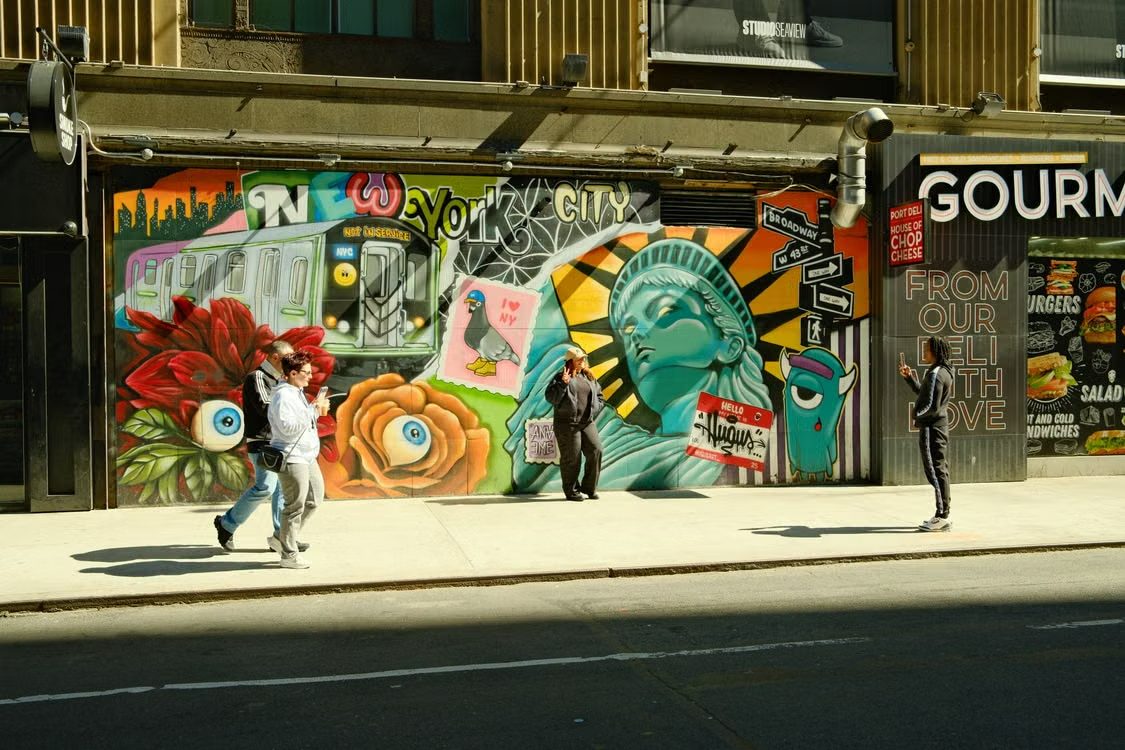
New York City rewards the curious traveler who looks past Times Square and the High Line. For anyone ready to explore the city’s lesser-known neighborhoods, the boroughs offer a remarkable range of culture, food, and atmosphere that most visitors never discover.
The neighborhoods covered here span all five boroughs, and each one carries a personality that the tourist trail rarely captures. Whether you have a single afternoon or a full weekend, knowing where to start makes all the difference.
Hidden NYC Spots Worth Your Time First
Here is a quick editor’s shortlist to get you started. Red Hook (Brooklyn) stands out for its waterfront warehouses and independent art spaces. Astoria (Queens) earns its reputation through an unmatched multicultural food scene and genuine neighborhood warmth. Harlem and Washington Heights (Manhattan) carry deep musical heritage and vibrant Dominican street life. Arthur Avenue (The Bronx) offers an Italian market culture that feels nothing like Manhattan, and Snug Harbor (Staten Island) delivers botanical gardens and a quiet that is hard to find anywhere else in the city.
Each of these off-the-beaten-path spots rewards the kind of wandering that no formal itinerary can fully plan. Travelers looking to pair these neighborhood walks with a broader set of unique things to do in NYC will find that hidden corners work best when they sit alongside a wider shortlist of city experiences, giving each day more range and more texture.
Where Neighborhood Culture Feels Most Alive
Neighborhoods like these are worth exploring not just for what they contain, but for what they feel like. Community identity, daily routines, and food traditions shape the atmosphere of lesser-known areas in ways that no single attraction can replicate. That lived-in quality is exactly what makes them worth the trip.
Brooklyn and Queens Through Local Routines
What separates Brooklyn and Queens from the city’s more photographed corners isn’t any single landmark. It’s the texture of daily life that accumulates across each block, market, and corner café.
Red Hook sits at the edge of Brooklyn’s waterfront, far enough from the subway that only people with a reason to go actually show up. That self-selection creates something rare: a neighborhood where artists, longshoremen, and food vendors have built a genuinely local identity rather than a curated one. The warehouses still feel industrial, and the food vendors along the water draw weekend regulars who treat the trip as a ritual.
Astoria, in Queens, runs on a different kind of energy. Its multicultural food culture is one of the most concentrated in the city, with Greek tavernas, Egyptian bakeries, and Brazilian lunch spots sharing the same few blocks. Walking Steinway Street or 30th Avenue on a weekday morning is one of the more honest ways of uncovering a city’s lesser-known creative neighborhoods without following a formal itinerary.
Manhattan and The Bronx Beyond the Usual Map
Harlem carries a cultural history that goes far deeper than its recent gentrification story. Jazz clubs that once defined American nightlife still operate here, and the neighborhood’s artistic legacy shows up in its murals, barbershops, and Sunday services as much as in any formal venue.
Washington Heights adds another layer entirely, shaped by Dominican influence in its street food, music spilling from apartment windows, and the particular rhythm of its bodegas and community gathering spots.
Arthur Avenue in The Bronx functions as a working Italian market neighborhood where butchers, pasta makers, and bakeries treat their craft as a local inheritance, not a tourist performance. Together, these areas offer a version of Manhattan and the Bronx that most visitors simply never find.
Staten Island’s Quieter Cultural Detours
Staten Island rarely appears on shortlists, but its local favorites reward the traveler willing to cross the water. Snug Harbor Cultural Center sits on grounds that feel completely removed from the city’s density, combining botanical gardens, arts spaces, and architecture that has nothing to prove. The surrounding neighborhoods carry a borough identity that is quieter, more residential, and genuinely distinct from anything Manhattan projects outward.
Hidden Corners to Explore by Borough
The best hidden places make considerably more sense once you understand the neighborhood context behind them. Knowing what shaped a community helps you notice what’s actually there, rather than walking past it entirely.
Waterfronts, Side Streets, and Creative Pockets
The five boroughs each hold hidden attractions that guidebooks consistently overlook, and the best way to find them is by borough rather than by category.
- Brooklyn: Red Hook’s waterfront path past Erie Basin Park offers unobstructed harbor views with almost no foot traffic, and the surrounding side streets hold independent art galleries that rotate shows without advertising them widely.
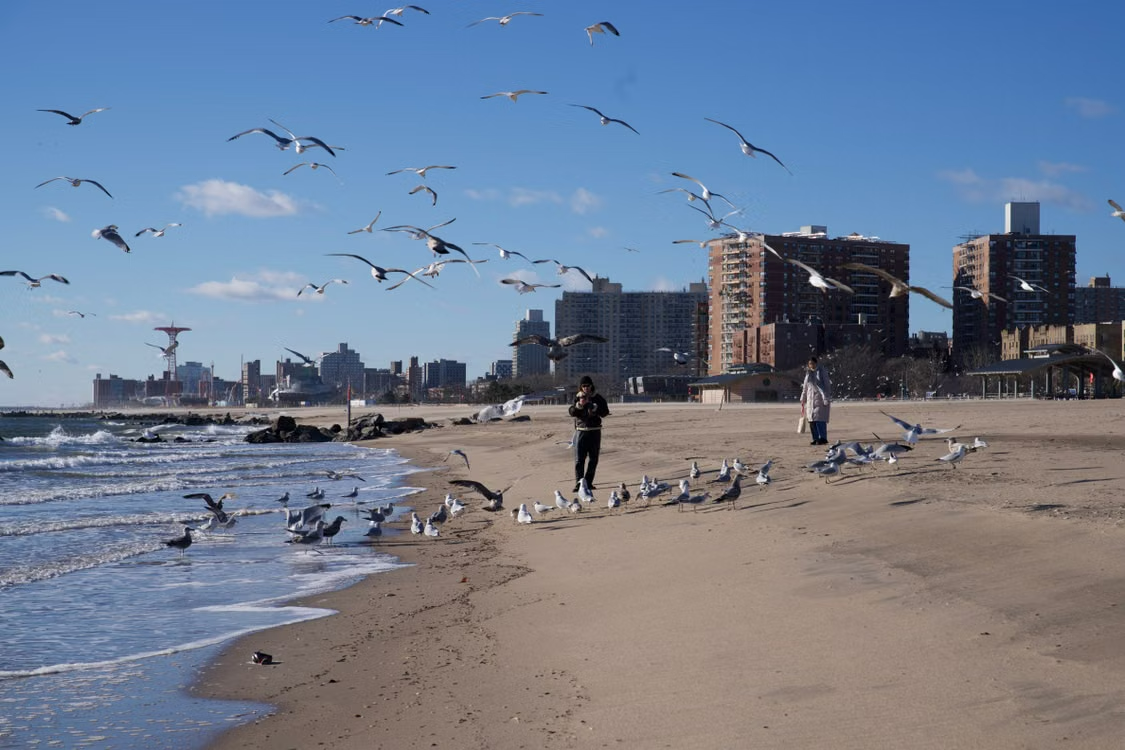
- Queens: Rockaway Beach’s western end draws locals year-round, while the backstreets of Flushing contain some of the most concentrated food variety in the city, well beyond the main mall.
- Manhattan: The East Village still carries creative pockets along Avenue B and C, including community gardens like La Plaza Cultural that feel entirely removed from the neighborhood’s commercial stretch.
- The Bronx: The Grand Concourse’s residential blocks preserve Art Deco architecture on a scale that surprises most visitors, and the nearby Bronx Museum of the Arts offers genuine unique experiences without the crowds of larger institutions.
- Staten Island: The North Shore waterfront trail connects quiet parks and overlooked bay views that most New Yorkers have never walked.
Historic Sites and Quiet Escapes
New York’s best-kept secrets tend to be its older ones. According to government data, tourism generates billions in annual city revenue, yet many of the city’s most significant historic sites draw only a fraction of that attention.
The African Burial Ground in Lower Manhattan is one of the most important archaeological discoveries in American history, yet it remains genuinely uncrowded. In Brooklyn, the Green-Wood Cemetery functions as both a historic landmark and a peaceful escape, its hills and Victorian monuments offering a complete contrast to the borough’s busier neighborhoods. Smaller cultural stops like the Noguchi Museum in Queens or the Bartow-Pell Mansion in The Bronx reward visitors precisely because they require a little effort to reach.
What to Eat and When to Go Exploring
New York’s food culture extends well past sit-down restaurants, and the neighborhoods covered here reflect that clearly. Queens and Brooklyn alone contain enough bakeries, market stalls, old-school lunch counters, and street food vendors to fill several days of exploration without repeating a single cuisine.
Harlem’s local favorites range from soul food institutions to West African spots that rarely appear in mainstream guides, while Arthur Avenue in The Bronx functions more like an open-air market than a dining destination.
Timing shapes the experience as much as location does. Summer is the natural moment for waterfront walks in Red Hook and Rockaway, while autumn turns a visit to Snug Harbor’s botanical gardens into something genuinely unhurried. Weekend mornings work best for market browsing in Astoria and Flushing, and evenings open up a different city entirely, particularly in Harlem, where jazz clubs draw a crowd that knows the difference between atmosphere and performance. Travelers interested in cultural nights across New York will find that off-the-beaten-path neighborhoods consistently offer more than the obvious venues.
FAQs
Is it safe to explore lesser-known neighborhoods in New York?
Most off-the-beaten-path neighborhoods covered here, including Red Hook, Astoria, and Washington Heights, are active residential areas that locals move through daily. Standard city awareness applies, and visiting during daytime hours or early evenings makes the experience more comfortable for first-time visitors.
How much time should someone set aside for borough exploration?
Each borough rewards at least a half-day of wandering, though Queens and Brooklyn could comfortably fill an entire weekend between them. Flushing, Astoria, and Red Hook each carry enough variety to stand as their own dedicated trip.
Do these neighborhoods require a car?
Most are reachable by subway, with Red Hook and Staten Island being the natural exceptions. The Staten Island Ferry is free, and a bicycle or rideshare works well for Red Hook’s waterfront stretch.
When is the best time of year to visit?
Late spring through early autumn offers the most outdoor activity, though Harlem’s jazz scene and Arthur Avenue’s market culture stay consistent year-round.
Why New York Rewards a Slower Kind of Trip
New York’s lesser-known neighborhoods don’t ask to be discovered. They simply exist, running on local rhythms that have little to do with what most visitors put on their itineraries.
What the boroughs collectively offer is a variety that no single landmark can match. Hidden gems show up in side streets, waterfront paths, and corner markets rather than in any formal attraction. Traveling off-the-beaten-path here isn’t about avoiding the city’s famous energy. It’s about finding the version of New York that actually belongs to the people who live in it.