
Essential Tips for Starting a Home-Based Food Business
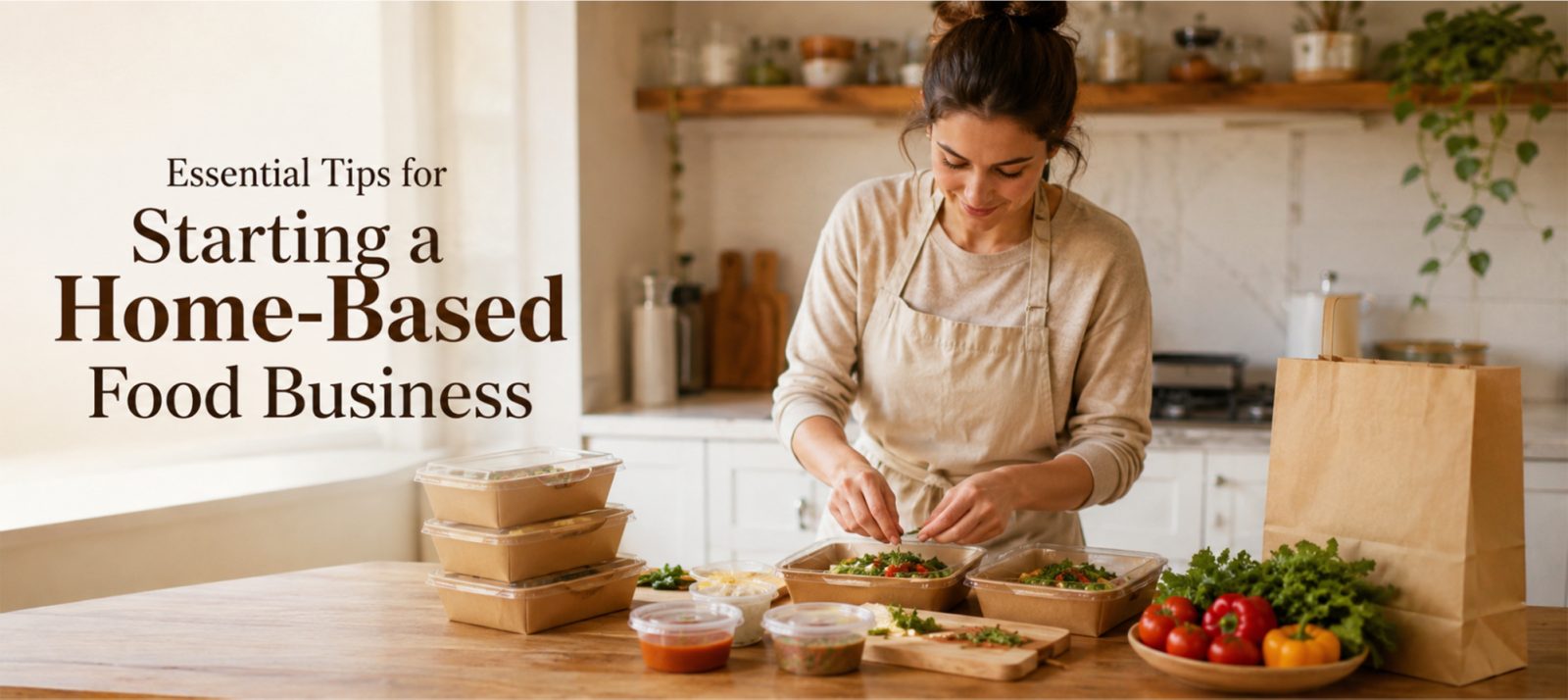
Starting a home-based food business can turn a passion for cooking or baking into a reliable source of income. From cakes and cookies to sauces, snacks, meal boxes, and specialty desserts, homemade food products can attract customers who value freshness, creativity, and personal service.
However, producing great food is only one part of building a successful business. New entrepreneurs must also think about legal requirements, food safety, pricing, branding, packaging, customer service, and order management. Without proper planning, even a talented food maker may struggle to earn consistent profits or manage growing demand.
The following tips can help you build a professional home-based food business while avoiding many common beginner mistakes.
Research Your Local Market
Before choosing a menu or buying supplies, study the customers and competitors in your area. Understanding local demand can help you decide which products are most likely to sell.
Look at nearby bakeries, cafés, caterers, home-based sellers, and online food businesses. Pay attention to their:
- Product ranges
- Prices
- Portion sizes
- Packaging
- Delivery options
- Customer reviews
- Popular seasonal items
The goal is not to copy another business. Instead, identify opportunities to offer something distinctive.
You may discover that customers want affordable birthday cakes, premium dessert boxes, allergen-conscious snacks, traditional recipes, or convenient office lunches. A focused product range is usually easier to manage than attempting to sell everything from the beginning.
Understand Legal and Licensing Requirements
Food businesses are generally subject to rules related to preparation, storage, hygiene, allergens, labelling, and sales. The exact requirements depend on your location and the type of food you plan to offer.
Before accepting orders, contact the relevant local authority or food-safety department. Determine whether you need:
- A business licence
- Food-handler certification
- A home-kitchen inspection
- Product liability insurance
- Tax registration
- Ingredient or allergen labels
- Special permission for particular products
Some locations allow certain low-risk foods to be prepared at home but place additional restrictions on products requiring refrigeration or strict temperature control.
Do not assume that selling through social media removes these responsibilities. Confirm the rules that apply to your business and keep the necessary records.
Choose a Focused Product Range
A common mistake among new food entrepreneurs is offering too many products. A large menu increases ingredient costs, preparation time, storage needs, and the risk of mistakes.
Begin with a small selection of products that you can prepare consistently and profitably. For example, a home bakery might start with:
- Celebration cakes
- Cupcakes
- Cookies
- Brownies
- Dessert boxes
Once your process becomes efficient and customers begin requesting more variety, you can expand gradually.
A focused menu also makes branding easier. Customers are more likely to remember a business with a clear specialty than one selling an unrelated mix of products.
Calculate the True Cost of Every Product
Pricing should cover more than the cost of ingredients. Your expenses may also include packaging, electricity, gas, water, delivery, equipment, cleaning materials, marketing, payment fees, and the time spent preparing each order.
Create a detailed cost sheet for every product. Include:
- Ingredients
- Decorations
- Packaging
- Labels and inserts
- Labour time
- Delivery or collection expenses
- Business overheads
- Expected profit
Failing to charge for labour is one of the most common pricing mistakes. Your time has value, especially for customised or highly detailed orders.
Review your prices regularly because ingredient and packaging costs may change. A profitable price should remain fair to customers while allowing the business to grow.
Create a Clean and Organised Workspace
A dedicated preparation area helps improve food safety, productivity, and consistency. Even when space is limited, your kitchen should be organised so ingredients, tools, packaging materials, and completed orders remain properly separated.
Keep commonly used items easy to access and store ingredients in clearly labelled containers. Develop a routine for cleaning surfaces, equipment, utensils, refrigerators, and storage areas.
A simple production system can include separate stages for:
- Ingredient preparation
- Cooking or baking
- Cooling
- Decorating
- Packaging
- Collection or delivery
Organisation becomes especially important when preparing several orders at once. A written schedule can prevent missed deadlines and reduce last-minute stress.
Make Food Safety a Priority
Customers trust food businesses to provide products that are safe to consume. A single serious hygiene issue can damage both customer health and business reputation.
Follow proper procedures for:
- Handwashing
- Surface cleaning
- Ingredient storage
- Temperature control
- Cross-contamination prevention
- Pest control
- Equipment maintenance
- Waste disposal
Raw and ready-to-eat foods should be stored and handled carefully. Products requiring refrigeration must remain at safe temperatures during preparation, storage, and transport.
Keep pets and unrelated household activity away from the food-preparation area. Everyone helping with production should understand the same hygiene standards.
Provide Accurate Allergen Information
Food allergies and intolerances must be taken seriously. Common allergens may appear not only in ingredients but also through shared equipment, utensils, surfaces, or storage spaces.
Maintain accurate ingredient records for every product. When customers ask about allergens, never guess. Explain clearly what the item contains and whether there is a risk of cross-contact.
Labels or order documents may need to include information about ingredients such as:
- Nuts
- Milk
- Eggs
- Wheat
- Soy
- Sesame
Avoid describing a product as allergen-free unless you can prepare it under appropriate controlled conditions. Honest communication protects customers and builds trust.
Build a Recognisable Brand
A strong brand helps customers remember your business and separates it from competitors. Your branding should reflect the type of products you offer and the audience you want to attract.
Choose a consistent:
- Business name
- Logo
- Colour palette
- Font style
- Tone of voice
- Photography style
Use these elements across your social media pages, menus, labels, packaging, thank-you cards, and promotional materials.
Your brand does not need to look complicated. A simple and consistent identity often appears more professional than a design using too many colours, fonts, or decorative elements.
Use Packaging to Strengthen Brand Recognition
Packaging is often the first physical part of an order that customers see. It should protect the product, support safe transport, and create a professional impression.
Home bakers can use custom bakery boxes with logo to display their business identity while presenting cakes, cookies, pastries, and other products neatly. A visible logo can help customers remember where the product came from, particularly when the order is shared at a party, office, or family gathering.
Choose boxes that fit the products correctly. Items should not move excessively, touch the lid, or arrive damaged. Inserts, dividers, grease-resistant materials, and secure closures may be useful depending on what you sell.
Packaging should also include any necessary storage, ingredient, allergen, or date information.
Take Clear and Authentic Product Photos
Customers buying through social media or a website cannot inspect products in person. Photographs therefore play an important role in building confidence.
You do not need expensive photography equipment to create professional images. Use natural daylight, a clean background, and consistent angles. Show the full product as well as important details such as decorations, texture, filling, or portion size.
Avoid heavy editing that changes the actual appearance of the food. Customers should receive something that closely matches what they saw online.
It is also helpful to photograph products inside their packaging. This shows customers how the complete order will be presented.
Make Ordering Simple
A complicated ordering process can discourage potential customers. Clearly explain how people can browse products, ask questions, place an order, and make payment.
Your menu should state:
- Product names
- Prices
- Sizes
- Available flavours
- Customisation options
- Minimum order quantities
- Preparation times
- Delivery or collection information
For custom orders, collect all important details before confirming the booking. These may include the required date, theme, colours, flavours, message, quantity, address, and allergen concerns.
Send customers a written order confirmation. This reduces misunderstandings and gives both sides a record of the agreed details.
Set Clear Payment and Cancellation Policies
Payment policies protect your time and reduce losses. Custom orders often require ingredients, preparation, and materials that cannot be reused if a customer cancels at the last minute.
Consider requiring a deposit or full advance payment, particularly for large, personalised, or event-based orders.
Your policy should explain:
- When payment is due
- Which payment methods are accepted
- Whether deposits are refundable
- How cancellations are handled
- What happens when customers change an order
- Whether delivery charges apply
Share these terms before accepting payment. Clear policies appear professional and prevent avoidable disputes.
Keep Business and Personal Finances Separate
Separating business money from personal spending makes it easier to monitor profit, prepare tax information, and control expenses.
Record every sale and business purchase. Keep receipts for ingredients, equipment, packaging, advertising, transport, and other costs.
A simple spreadsheet may be enough when you are starting. Track:
- Daily or weekly sales
- Product costs
- Operating expenses
- Customer payments
- Refunds
- Outstanding balances
- Monthly profit
Financial records can reveal which products are genuinely profitable and which ones consume too much time or material.
Create Professional Packaging for Different Products
As your range grows, one type of container may not be suitable for every item. Cakes, cookies, sauces, jars, gift sets, and frozen products have different packaging requirements.
Businesses selling several product categories may benefit from custom packaging with logo that creates a consistent appearance across boxes, bags, sleeves, labels, or containers. Coordinated packaging can make the business feel established while giving customers a recognisable experience with every order.
However, avoid ordering large quantities before testing the packaging. Check the material, size, strength, food suitability, storage needs, and total cost.
Begin with versatile options and introduce specialised packaging when sales volume justifies the investment.
Provide Reliable Customer Service
Good customer service is essential for generating repeat business. Respond to messages politely, provide accurate information, and keep customers updated about their orders.
Avoid accepting more work than you can complete. It is better to decline an order than to deliver it late or below your normal standard.
When a mistake happens:
- Listen carefully to the customer.
- Acknowledge the concern.
- Apologise when appropriate.
- Offer a fair solution.
- Identify how to prevent the issue from happening again.
A professional response can sometimes preserve a customer relationship even after a problem.
Use Social Media Strategically
Social media can help home-based food businesses reach local customers without a large advertising budget. Choose the platforms your target audience uses most rather than trying to post everywhere.
Create a balanced mix of content, including:
- Product photographs
- Behind-the-scenes preparation
- Packaging videos
- Customer reviews
- New menu announcements
- Seasonal offers
- Availability updates
- Ordering information
Keep your business name, logo, colours, contact details, and tone consistent across every platform.
Include location information where appropriate so nearby customers can discover your business more easily.
Encourage Reviews and Referrals
Positive reviews reassure first-time buyers and strengthen your local reputation. After successfully completing an order, politely ask the customer to leave feedback on the platform most relevant to your business.
You may also encourage customers to tag your account when sharing product photographs. Always request permission before reposting customer images or messages.
Referral rewards can motivate satisfied customers to recommend your products. For example, you might offer a small discount or complimentary item after a successful referral.
The quality of the experience should remain the main reason people recommend your business. Incentives should support genuine word-of-mouth marketing rather than replace it.
Plan for Busy Seasons
Food businesses often receive higher demand around holidays, weddings, graduations, birthdays, and community events. Planning early can help you avoid overbooking and maintain quality.
Before a busy season:
- Confirm your maximum daily capacity.
- Order ingredients and packaging in advance.
- Prepare a limited seasonal menu.
- Set order deadlines.
- Organise collection times.
- Communicate availability clearly.
- Allow space for unexpected delays.
A smaller, well-managed seasonal menu is often more profitable than accepting too many complex requests.
Monitor Customer Feedback
Customer feedback can help you improve products, packaging, ordering, and service. Look for recurring comments rather than reacting to one isolated opinion.
Useful questions include:
- Did the product match expectations?
- Was the packaging secure?
- Was ordering easy?
- Was the portion size clear?
- Did the item arrive on time?
- Would the customer order again?
Track complaints as well as compliments. A recurring problem with damaged products, unclear pricing, delayed responses, or missing information requires attention.
Grow at a Manageable Pace
As demand increases, it can be tempting to expand quickly. However, adding too many products, accepting excessive orders, or buying costly equipment too early can create financial and operational pressure.
Grow gradually by improving one area at a time. You might first standardise recipes, then upgrade packaging, introduce online ordering, or add a delivery option.
Before expanding, consider whether you have enough:
- Workspace
- Equipment
- Storage
- Time
- Cash flow
- Customer demand
- Administrative support
Sustainable growth allows you to protect the quality and personal service that attracted customers in the first place.
Final Thoughts
Starting a home-based food business requires creativity, discipline, and careful planning. A successful operation combines great food with proper legal preparation, strong hygiene practices, accurate pricing, professional branding, reliable packaging, and excellent customer service.
Begin with a focused menu, understand your costs, and create systems that help you deliver consistent quality. As your reputation grows, expand only when your space, budget, and production capacity can support it.
Customers are more likely to return when they receive food that tastes excellent, arrives safely, looks professional, and is supported by a smooth ordering experience. By treating every order as an opportunity to build trust, a small home-based food business can develop into a respected and sustainable brand.