
The Quiet Revival: Why a New Generation Is Falling for the Electric Guitar Again
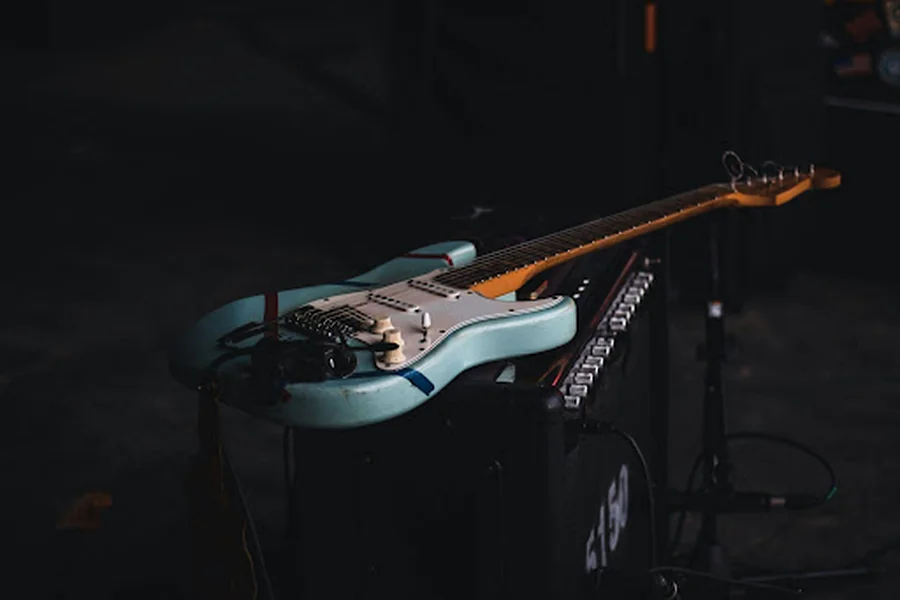
The electric guitar is quietly making a comeback, and an unlikely generation is driving this revival. Teenagers and twentysomethings are cramming bedrooms, spare rooms, and sold-out guitar stores with six strings, drawn to something that screens could never truly deliver. Younger guitarists who grew up on internet tone demos and are dissatisfied with stock components are discovering brands like Dimarzio, which have long been trusted by top players. There is a real revival, and the reasons behind it reveal just as much about society as the instrument itself.
A Comeback Few Predicted
For many years, production software and pop music based on preprogrammed beats disregarded the guitar as a relic from a bygone period. That obituary seems premature. Electric guitar sales have increased, starter classes are in high demand, and shops are reporting a new wave of youthful customers. Who is spearheading the change is what makes it remarkable. This is not nostalgia from aged fans but real discovery by people just out of school.
Manufacturers have also noticed that waiting lists for popular models are reappearing and used prices are remaining stable. Numbers seldom lie, and these are no exception.
The Post-Pandemic Pull
The lengthy months spent indoors are mostly responsible for the spark. Many young people yearned for something engaging, tactile, and wholly unique when everyday life was put on pause. That was precisely what a six-string offered: a skill that no shortcut could impart, a challenge measured in weeks and months rather than seconds. Acquiring proficiency in an instrument turned into a silent act of independence. When the world reopened, the habit persisted rather than vanishing with the constraints that had initially prompted it.
A Different Kind of Player
Newcomers do not follow the previous rules. Whereas previous generations copied entire albums and fantasised about stadiums, many newer starters seek a single riff, a certain sound, or a short video worth sharing. In an afternoon, a bedroom musician might switch between metal, jazz, and movie scores since genres are so blurry. Ambition also takes on a different appearance, focusing more on self-expression than chart success. Instead of serving as a professional ladder, the instrument has evolved into a canvas.
It’s normal and acceptable to play alone. Many of these guitarists are happy to experiment with sound in private for the pure joy of it, never even joining a band.
Community Without the Old Gatekeepers
Learning used to entail official lessons, local shops, and a laborious progression through guarded information. That structure is no longer there. Tutorials, equipment failures, and support from a worldwide community are now accessible to an inquisitive novice without having to travel far from home. Online communities celebrate little victories, exchange advice, and demystify abilities that were once exclusive to a select few. Players who may have previously believed that the world was closed off to them are now welcomed thanks to this openness.
Alongside the barriers, the cost has decreased. It is no longer necessary to take a significant risk to try the pastime because excellent starter instruments are now reasonably priced.
The Rise of Tone Obsession
This new wave is united by a profound preoccupation with tone. These players pay attention to subtleties that their predecessors frequently overlooked because they were raised on close-up clips that analyse the precise process of sound production. They research wood, pickups, and pedals in the same way that others research recipes. The interest in specialised equipment designed for discerning hearing has been rekindled by this inspection, and there has never been a more open and lively discussion about components.
Why the Guitar Still Speaks
There is something straightforward and long-lasting beneath the trends. A musical instrument rewards patience with a sound that feels earned since it reacts to touch differently than a screen. In its simple form, it embodies romance, history, and rebellion, but it remains open to reinterpretation by the person who picks it up. Resistance is part of what appeals to a generation raised on the frictionless and quick. It turns out that effort is exactly what many of them lacked.
The simple delight of creating sound is another. A loud chord in your own room feels like a tiny act of liberation in a life spent mostly in silence behind glass.
Where the Revival Goes Next
Whether this is a long-lasting movement or a shining moment, the signals are promising. A younger, more diverse, more inquisitive crowd has claimed the instrument on its own terms, and the culture surrounding it is evolving to match. Anticipate more players who consider gear as a craft rather than a formality, more genre-blending, and a fixation with tone. Even if the modest resurgence may never be extremely loud, it seems likely to last for many years.