
What You Should Know Before a Plumbing Emergency Wrecks Your Day
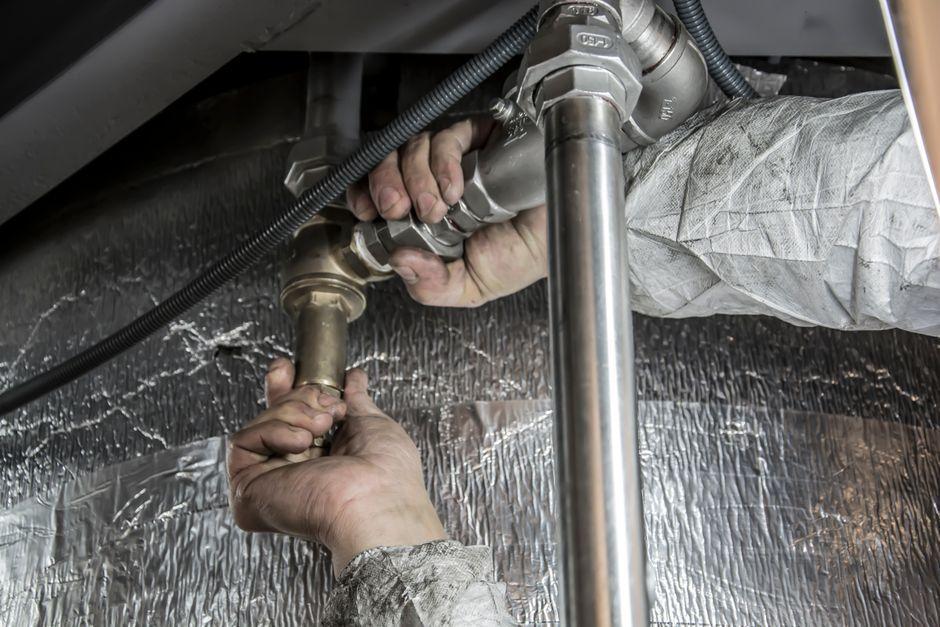
A plumbing emergency rarely gives you a polite warning. One minute you’re rinsing a plate, the next you’re staring at water creeping across the floor like it pays rent. The messy part isn’t just the leak or blockage. It’s the split-second decisions you have to make when stress kicks in. If you know what counts as a real emergency, what to do first, and what mistakes to avoid, you can limit damage, save money, and keep a bad day from turning into a disaster.
What Actually Counts as a Plumbing Emergency
Not every plumbing issue needs a midnight callout, but some problems absolutely do. A burst pipe, sewage backing up into a sink or tub, no running water, or a toilet overflowing and refusing to stop all qualify as urgent. Gas line concerns connected to plumbing fixtures also deserve immediate attention.
A dripping tap is annoying. A pipe spraying water behind a wall is a different beast entirely. The same goes for a slow drain versus multiple drains backing up at once. When several fixtures fail together, that often points to a deeper blockage in the main line.
You should also pay attention to signs that seem small but carry bigger risk. Water stains on ceilings, sudden drops in water pressure, banging pipes, and unexplained wet spots can signal hidden trouble. Plumbing has a talent for escalating while you’re busy doing literally anything else.
If the issue threatens your home, health, or safety, treat it like an emergency. Waiting usually doesn’t make plumbing calmer or cheaper.
The First Steps You Should Take Before Help Arrives
When water starts going rogue, your first job is damage control. Shut off the nearest water valve if you can identify it. If not, turn off the main water supply to the house. Every homeowner should know where that valve is before panic enters the group chat.
Next, cut power to affected areas if water is near electrical outlets or appliances. Safety comes first. Don’t step into standing water around anything powered.
Then start containing the mess. Use towels, buckets, and whatever you have on hand to keep water from spreading. Move rugs, electronics, and furniture away from the area. If a leak is active, take a few photos once the space is safe. That can help with insurance claims later.
Avoid DIY heroics that could make things worse. Chemical drain cleaners, random wrenching, and aggressive plunging can turn one problem into three. If you call professional emergency plumbing services, give clear details about what’s happening, when it started, and whether you’ve shut the water off already. That information helps a plumber arrive prepared, not guessing.
Common Causes Behind Sudden Plumbing Failures
A lot of plumbing emergencies look random from the outside, but many build slowly behind the scenes. Old pipes are a major culprit. Corrosion, mineral buildup, and worn joints can weaken a system until one extra pressure change pushes it over the edge.
Clogs cause their share of chaos too. Grease, wipes, hair, food scraps, and soap residue don’t disappear just because water carries them away for a few feet. They collect, compress, and eventually block flow. Main sewer line clogs are especially nasty because they can force wastewater back into your home.
Temperature changes can also trigger trouble. In colder regions, frozen pipes may expand and burst. In warmer climates, shifting soil can strain underground lines and crack them over time. Tree roots are another classic saboteur. They seek out moisture and can invade tiny pipe openings with surprising persistence.
Appliances deserve a mention as well. Water heaters, washing machine hoses, and dishwashers often fail without much warning. A small split in a hose can dump gallons fast. Plumbing emergencies may feel dramatic, but the origin story is often boring maintenance skipped for too long.
How to Choose Help When Time Matters
During an emergency, you don’t have the luxury of a long comparison spreadsheet. Still, a rushed decision can cost you. Look for a licensed and insured plumber with clear emergency availability. A company that handles urgent calls regularly will usually ask smarter questions and explain next steps without sounding vague.
Ask whether they charge flat emergency fees or hourly rates, and whether parts are included. Pricing in emergency work can vary a lot. You’re not hunting for the cheapest possible option. You’re looking for competence, transparency, and speed.
Reviews help, but read them with common sense. A few angry comments during storm season don’t tell the full story. Pay attention to patterns involving punctuality, communication, cleanup, and whether repairs actually held up.
If you rent, contact your landlord or property manager first unless immediate action is needed to protect people or property. If you own a condo, check whether the issue falls under building management responsibility. Plumbing can cross property lines fast, and that complicates who pays. A solid emergency response includes knowing who has authority to approve repairs.
Smart Ways to Reduce the Chance of Future Emergencies
You can’t prevent every plumbing emergency, but you can lower the odds. Start with basic habits. Don’t pour grease down the drain. Don’t flush wipes, cotton pads, or anything marketed with suspicious confidence as “flushable.” Your pipes are not a testing lab.
Inspect visible pipes, supply lines, and shutoff valves a few times a year. Look for corrosion, leaks, bulging hoses, and damp cabinets under sinks. Replace worn washing machine hoses before they fail, not after they audition for a flood scene.
Schedule routine plumbing inspections if your home is older or has a history of drainage issues. A plumber can spot early signs of trouble in water heaters, sewer lines, and pressure regulators before they become expensive surprises. In colder areas, insulate exposed pipes before winter arrives.
It also helps to keep records. Know the age of your water heater, when pipes were last updated, and where your main shutoff is located. Small bits of information matter more when everything happens at once.
A plumbing emergency is stressful, messy, and often expensive. Still, if you act quickly, stay calm, and know when to call for professional help, you’ll be in a much stronger position. Water may move fast, but preparation moves smarter.