
What a Pre-Winter Furnace Inspection Actually Catches
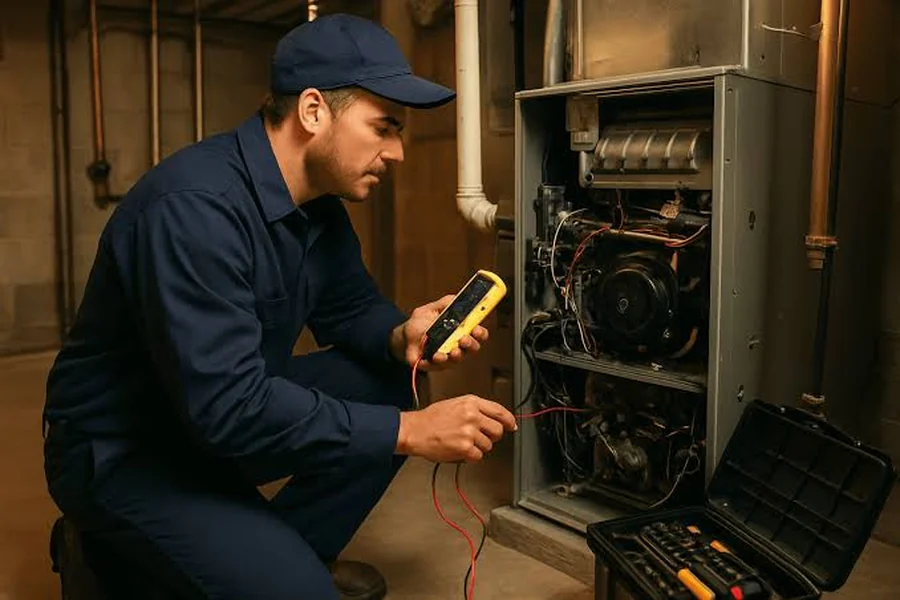
When temperatures start dropping, most homeowners think about turning on the furnace and hoping it works when they need it. However, a furnace can develop small problems during the warmer months that may not become obvious until the first cold snap. A pre-winter inspection gives homeowners an opportunity to identify those issues before they turn into an emergency, an uncomfortable home, or an unexpectedly expensive repair.
A professional furnace inspection is more than simply switching the system on and checking whether warm air comes from the vents. A technician examines important components, tests the system’s operation, and looks for signs of wear, restricted airflow, electrical problems, and potential safety concerns. Catching these issues early can help improve reliability throughout Edmonton’s long heating season.
Dirty or Restricted Air Filters
One of the simplest problems an inspection can uncover is a dirty furnace filter. A clogged filter makes it harder for air to move through the system, forcing the furnace to work harder to maintain the desired temperature.
Restricted airflow can contribute to several problems, including:
- Longer heating cycles
- Higher energy consumption
- Uneven temperatures between rooms
- Increased strain on the blower motor
- Poor indoor air circulation
During a pre-winter inspection, the technician can determine whether the filter needs replacement and check whether other parts of the air distribution system are restricting airflow.
Cracked or Damaged Heat Exchanger
The heat exchanger is one of the most important components inside a gas furnace. It separates combustion gases from the air circulated throughout the home. If the heat exchanger develops cracks or other damage, combustion gases can potentially enter the indoor air.
Because damage may not always be visible to a homeowner, technicians inspect the heat exchanger and surrounding components for signs of deterioration. This is one of the reasons a professional inspection is particularly valuable before the furnace begins operating continuously during winter.
Ignition and Burner Problems
A furnace needs reliable ignition and clean-burning burners to operate safely and efficiently. Dirt, corrosion, worn components, or ignition problems can interfere with normal operation.
An inspection may reveal burners that need cleaning, ignition components showing signs of wear, or other conditions that could cause delayed ignition or inconsistent heating. Addressing these problems before winter can reduce the chance of the furnace shutting down when temperatures are at their lowest.
Electrical Connections and Controls
Modern furnaces depend on electrical components to control ignition, blower operation, safety systems, and temperature regulation. Loose connections, damaged wiring, worn switches, or malfunctioning controls can cause intermittent operation or complete system failure.
During an inspection, these components can be checked for visible damage and proper operation. Identifying electrical issues early can also help prevent minor problems from developing into more complicated repairs.
Blower Motor and Moving Components
The blower motor is responsible for moving heated air through the home’s ductwork. Since it operates regularly during heating cycles, it can experience considerable wear over time.
A technician can listen for unusual noises, inspect the blower assembly, and check its operation. Signs such as rattling, grinding, squealing, or unusual vibration may indicate a developing mechanical problem. Finding these warning signs before winter gives homeowners more time to address them.
Thermostat and Temperature Control Issues
Sometimes a furnace appears to have a problem when the real issue is related to the thermostat. Incorrect settings, calibration problems, weak batteries, or communication issues can affect how the heating system responds.
A pre-winter inspection can include checking whether the thermostat is communicating properly with the furnace and whether the system responds correctly when the temperature setting changes. This helps ensure the furnace doesn’t run unnecessarily or fail to maintain a comfortable indoor temperature.
Venting and Exhaust Concerns
Gas furnaces produce combustion gases that need to be safely directed outside. Blocked, damaged, or improperly connected venting can interfere with this process and create a serious safety concern.
A technician can inspect accessible venting components and look for signs of blockage, corrosion, loose connections, or other problems. This inspection is especially important before the furnace is expected to run for extended periods.
Carbon Monoxide Safety
Carbon monoxide is a major concern with fuel-burning heating equipment because it is invisible and odorless. A furnace that is not operating or venting correctly can potentially contribute to unsafe carbon monoxide levels.
A professional inspection can identify conditions that may increase the risk of carbon monoxide exposure. Homeowners should also make sure carbon monoxide detectors are installed in appropriate areas and have functioning batteries.
Ductwork and Airflow Problems
Even when the furnace itself is operating properly, problems in the ductwork can prevent heated air from reaching rooms efficiently. Leaks, disconnected sections, blocked registers, and poor airflow can result in rooms that remain colder than others.
An inspection can help identify obvious airflow concerns and determine whether the heating system is distributing air as efficiently as it should. Improving airflow can make the home more comfortable while potentially reducing unnecessary furnace runtime.
Signs of a Furnace That Needs Repair
A pre-winter inspection may uncover warning signs that homeowners have overlooked. For example, a furnace might still be working but producing unusual sounds, cycling too frequently, taking longer to heat the home, or struggling to maintain the thermostat setting.
These symptoms shouldn’t necessarily be ignored simply because the furnace is still producing heat. If a technician identifies a developing problem, arranging furnace repair Edmonton services before the peak heating season can be a practical way to avoid an inconvenient breakdown later.
Why Timing Matters Before Edmonton Winter
Edmonton winters can place significant demands on residential heating systems. Once consistently cold weather arrives, furnace problems become much more disruptive because homeowners rely on their systems every day.
Scheduling an inspection before the heating season gets busy provides several advantages. Technicians have more opportunity to identify problems, homeowners have more time to consider repair options, and necessary parts may be easier to obtain before emergency demand increases.
Most importantly, an inspection changes the situation from reacting to a breakdown to preparing for the season ahead.
An Inspection Is About More Than Preventing Breakdowns
The main benefit of a pre-winter furnace inspection isn’t simply avoiding an inconvenient service call. It is about understanding the condition of the entire heating system before it faces months of demanding operation.
A technician may identify relatively small issues such as a dirty component or loose connection, but the inspection can also reveal more significant concerns involving safety controls, heat exchange, combustion, electrical components, or airflow. Addressing these issues early can help homeowners enter winter with greater confidence.
A furnace inspection should therefore be viewed as seasonal maintenance rather than an unnecessary expense. Spending a little time preparing the system before temperatures fall can help improve reliability, comfort, and safety throughout the winter.