
Why Internet-Famous Collectibles Still Rule the Shelves
Internet-famous collectibles keep earning shelf space because recognition reduces uncertainty. A familiar character gives buyers a reason to pause, compare, and remember. That advantage matters as fan communities move between video, games, music, and shows. Products tied to visible personalities create conversation beyond purchase. Current listings pair limited releases with recognizable licenses, creator partnerships, plush formats, keychains, and blind boxes. This model builds collections through attention, identity, scarcity, and visits, rather than decoration alone.
A Recognizable Name Builds Interest
Recognition works best when an item reflects a shared reference. For shoppers comparing character figures, Youtooz Collectibles offers a useful example of how licensed designs, creator-led concepts, plush products, and small accessories can sit within one catalog. Its current page presents nine-inch plush items, five-inch keychains, blind boxes, and themed collections, giving fans several price and display options. Such variety supports personal taste without demanding a single collecting style.
Recognition Converts Attention
Familiar names shorten the path from curiosity to purchase. A shopper knows the character’s tone, story, or identity. That memory supplies emotional value before material quality enters the decision. Research from the Entertainment Software Association reports that 61 percent of Americans play games, showing why game-linked merchandise can reach audiences. Recognition helps gifts feel personal, since the recipient’s interest is easier to read.
Scarcity Creates Momentum
Listings mark several plush items as short-run or special edition, while upcoming drops carry a coming soon label. Those signals can separate available stock from future releases. Buyers can plan purchases, watch dates, and avoid confusing immediate access with anticipation. Clear tags support expectations, especially for fans collecting a series rather than one figure.
Familiarity Supports Gift Buying
Gift decisions often depend on recognition. A known character reduces the risk of choosing something irrelevant, while a keychain suits desks, bags, or stockings. Larger plush pieces carry visual presence and may suit bedrooms or display units. Blind boxes add surprise for recipients who enjoy discovery. Offering formats lets relatives and friends match size, price, and connection without guessing.
Shelf Value Comes From Story
A figure earns attention through meaning and form. Fans often connect an object with a creator, game, show, or joke. That link turns a static item into a reminder of belonging. Creator collaborations add a layer because the purchase reflects both a character and its community. This effect explains why unusual concepts can compete with familiar licenses, provided the idea remains clear and distinct.
Variety Keeps Shelves Active
Repeat visits require reasons to look. A catalog shifting between animation, games, music, and creators can serve interests without losing focus. Current examples include Minecraft, Overwatch, Slime Rancher, Bring Me The Horizon, and creator names. Each category invites a different audience, while formats keep browsing simple. Variety encourages displays, where separate purchases gain coherence through color, size, or subject.
Price Points Shape Decisions
Price affects entry, quantity, and risk. The listed examples place nine-inch plush products at around $29.99, while five-inch keychains are priced at $22.99. A $34.99 night light offers a different use beyond display. These gaps create practical choices for newcomers and committed fans. Buyers may begin with one accessory, then add larger pieces once a favorite theme proves lasting.
Community Adds Staying Power
Collecting becomes durable when people can discuss their choices. Community pages, concept voting, and creator-linked releases give fans reasons to return after checkout. Participation can influence which ideas become products, making ownership feel connected to a process. That relationship supports repeat interest without requiring each release to suit everyone. Conversation, feedback, and anticipation turn shelves into records of fandom.
Display Choices Reflect Identity
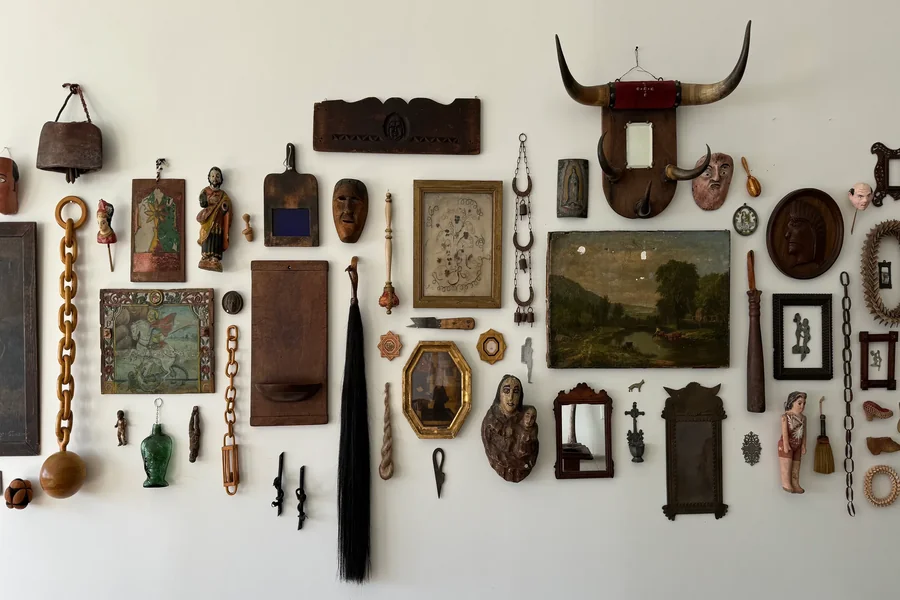
Placement gives an item a role. A keychain can mark a workstation, while a plush figure anchors a bookcase or table. Grouping products by color creates order, whereas arranging them by series highlights continuity. Rotating pieces prevents visual fatigue and protects space. Good displays need no expensive furniture. Clean spacing, balanced heights, and one focal point can make modest collections feel intentional.
Conclusion
Internet-famous collectibles keep their place because they combine recognition with buying signals. Familiar characters attract attention, limited labels create timing, and varied formats fit different budgets. Prices, sizes, and categories help shoppers build displays that reflect personal interests. The strongest products connect visual appeal with community meaning, giving each purchase a story. For us, that balance explains shelf power: attention starts the relationship, while quality, choice, and enthusiasm keep it alive.