
The Practical Wardrobe: Clothing That Works in Real Life
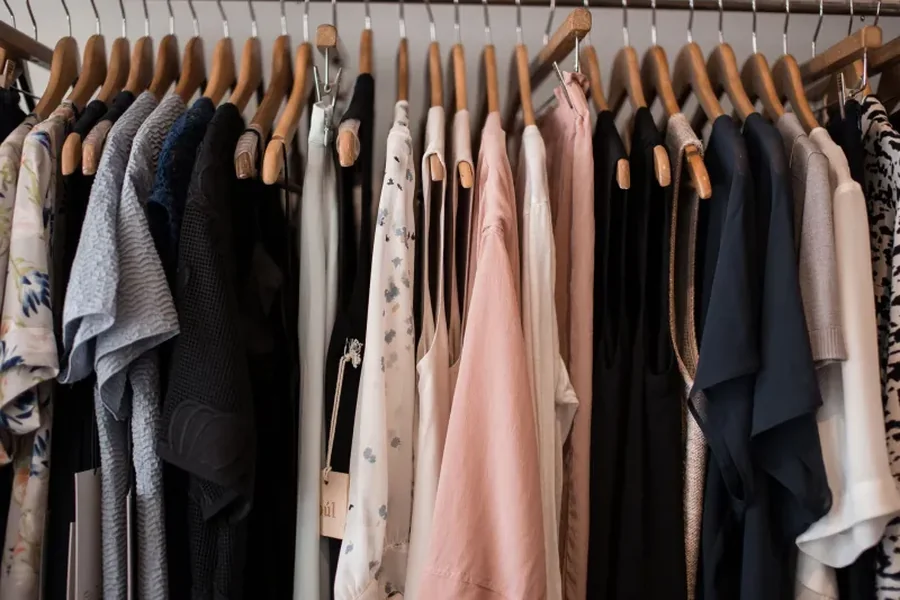
A garment can look perfect in the fitting room yet become frustrating in daily life: the pockets are too shallow, the hem drags, or the care routine is more demanding than expected.
The clothes we wear most are usually the ones that work quietly with our routines. A practical wardrobe begins by noticing those details before buying.
What Makes a Wardrobe Practical?
A practical wardrobe is built around five qualities.
First, clothing must be functional: its features should solve real needs rather than exist as decorative details. Second, it should be easy to care for within the wearer’s normal laundry routine. Third, it must remain reliable in motion, without shifting, dragging, or restricting common actions.
Practical clothing should also adapt to small changes in the day, such as unexpected walking, changing temperatures, or carrying additional items. Finally, it needs enough durability for repeated wear. Seams, waistbands, closures, and high-friction areas should retain their integrity beyond the first few outings.
Pockets Should Work, Not Just Exist
A pocket is useful only when it can carry something without compromising the garment.
Begin with depth. A phone or set of keys should sit securely below the opening rather than rising out as the wearer walks. Then observe the fabric: does the weight pull the side seam forward, distort the hip, or make a lightweight garment sag?
Test pockets while sitting as well as standing. A phone may create pressure against the thigh or abdomen, while a bulky pocket bag can interrupt the line of tailored trousers. On skirts and dresses, poorly positioned pockets may disturb the drape or add volume exactly where the fabric should fall cleanly.
Even a well-designed pocket is not necessarily the right place for every object. Passports, wallets, and other important items may still belong in a secure zipped bag, particularly during crowded commutes or travel.
Easy Care Is Part of Clothing Design
Care instructions shape the real usefulness of a garment. Machine-washable clothing generally fits more easily into a weekly routine than hand-wash or dry-clean-only pieces, but the label is only the beginning of the assessment.
Consider whether the garment requires ironing after every wash, attracts visible hair or lint, or needs to be separated because its color may transfer. Check whether the neckline, waistband, and hem return to shape after air-drying. Delicate trims and unstable pleats may also add maintenance that is easy to overlook in the fitting room.
Travel introduces another test: can the piece be refreshed with simple washing, hanging, or light steaming? No fiber should be assumed to resist pilling or creasing under every condition. Construction, blend, surface finish, laundering, and friction all affect performance.
What Wrinkle Resistance Really Means
Wrinkle-resistant does not mean wrinkle-free. Most clothing can crease under sufficient pressure; the more useful question is how the fabric recovers.
Fiber content matters, but so do weave or knit structure, fabric weight, finishing treatments, and blends. A fabric that performs well after sitting may respond differently after tight packing or machine washing, so those are three separate tests.
After compressing the fabric gently, release it and observe whether the crease softens. Minor wrinkles that relax after hanging or brief steaming may be acceptable for daily wear. Higher recovery becomes more important for business travel, long commutes, presentations, and days when there is little time to refresh an outfit.
Consider Integrated Clothing Designs
Integrated garments can make a practical wardrobe more efficient by reducing the number of separate pieces required to complete an outfit. Built in support dresses and bra tops, for example, combine a finished outer silhouette with an internal bra structure. This can simplify dressing, reduce visible layers, and make packing easier without limiting the garments to underwear or at-home use.
A bra dress offers a complete outfit in one piece, while a bra top can be worn independently with trousers or a skirt. Their practicality still needs to be assessed as a whole: the outer shape should suit the intended setting, the internal construction should remain stable during movement, and every component should be compatible with the same care routine. If one part requires frequent adjustment or complicated maintenance, the convenience of the integrated design is reduced.
How to Evaluate Practical Clothing Online?
Start with garment measurements rather than relying only on the size label. Compare the waist, hip, rise, inseam, and overall length with a similar piece you already own, and use model information only as visual context. Review the fabric composition and care instructions together, paying attention to stretch, lining, opacity, shrinkage, drying requirements, and whether the garment needs ironing or dry cleaning.
Study front, back, and side images for seam placement, closures, pocket position, and fabric drape. Product videos and customer reviews can help reveal recurring issues such as shallow pockets, dragging hems, transparency, shifting waistbands, or changes after washing. Since movement and pocket capacity cannot be fully confirmed online, also check the return policy before purchasing.
Measure Maintenance Cost, Not Just Purchase Price
The purchase price is only one part of clothing cost. Dry cleaning, ironing time, special detergents, delicate embellishments, and after-wear maintenance all influence whether a garment is practical to own.
Frequency matters as well. A lower-priced garment that rarely gets worn may be less
than a well-used piece that fits easily into a weekly routine.
Cost per wear provides a simple measure:
Purchase and maintenance cost ÷ number of wears = cost per wear
The calculation does not need to be exact. Its value is in revealing whether a garment is likely to become part of everyday life or remain an occasional obligation.
The Practical Clothing Checklist
| Check | Question to ask before buying |
| Pockets | Can they hold everyday items securely? |
| Care | Does the garment suit my actual laundry habits? |
| Wrinkles | Can it recover reasonably after sitting or packing? |
| Movement | Does it shift, pull, catch, or drag during activity? |
| Opacity | Does it remain opaque in different lighting? |
| Versatility | Does it work with clothes I already own? |
| Durability | Do the seams, waistband, and friction points feel stable? |
| Fit | Can I wear it without frequent adjustment? |