
How Jewelry Packaging Is Becoming Part of Modern Fashion Branding
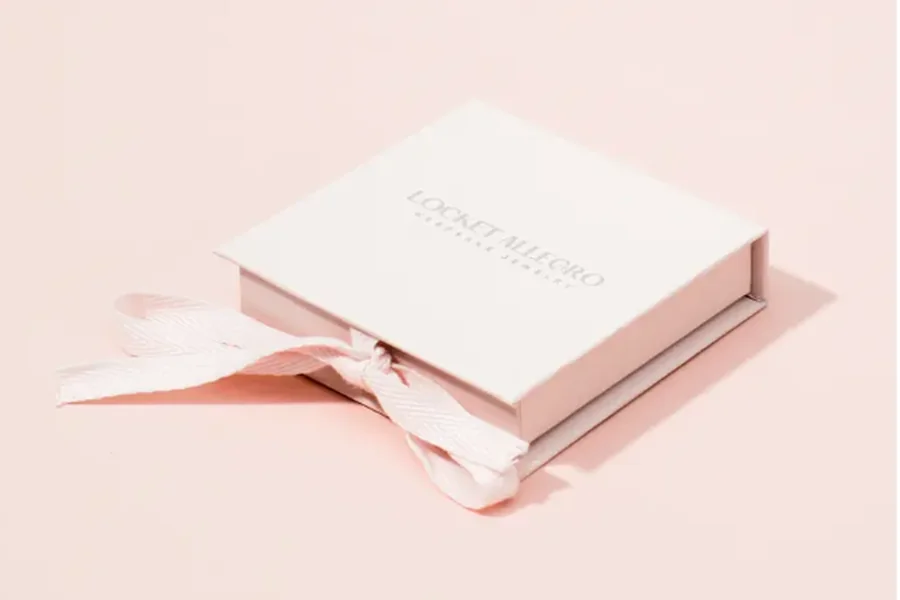
Jewelry packaging used to be treated as something that simply protected a product. That is changing. For modern fashion brands, the box can be part of the visual identity, the unboxing experience, and even the way a customer remembers a purchase. As jewelry becomes more closely connected with personal style, its packaging is following the same direction.
Packaging Is No Longer Just Protection
A jewelry box has an obvious job: keeping a piece of jewelry protected during storage, shipping, and presentation. But fashion products rarely communicate through function alone.
Color, texture, proportions, materials, and small details all influence how a product is perceived. The same principle applies to packaging.
A minimalist necklace presented in a rigid neutral-colored box creates a very different impression from the same necklace placed in a colorful, decorative package.
This does not mean packaging needs to be elaborate. In many cases, a restrained design can communicate more effectively.
For jewelry brands, useful packaging should balance three things:
- Physical protection
- Practical handling
- Visual identity
When those elements work together, the package becomes part of the product rather than an afterthought.
Why Jewelry Box Packaging Matters to Fashion Brands
Fashion is highly visual, and customers often form an impression before they fully examine a product.
That makes jewelry box packaging particularly relevant for brands selling through online channels. A customer may encounter a product through social media, an online store, or a creator’s unboxing video before ever seeing it in person.
Packaging then becomes part of the visual story.
A consistent packaging system can reinforce elements such as:
Brand Personality
A contemporary jewelry label may prefer simple typography and understated materials, while a playful fashion brand may use stronger graphics and unusual colors.
Product Positioning
Packaging can help distinguish everyday accessories from limited-edition or premium collections without changing the actual jewelry.
Customer Experience
Opening a well-designed box creates a physical interaction with a brand. That moment can influence whether the purchase feels ordinary or memorable.
Customization Gives Designers More Control
Off-the-shelf packaging is practical, but it limits how closely a package can reflect a brand’s identity.
Custom packaging allows brands to control dimensions, internal structures, materials, finishes, and graphic elements.
A jewelry box can be designed around the actual product instead of forcing different pieces into one generic format. Rings, earrings, necklaces, and bracelets may require different internal arrangements to prevent movement and maintain presentation quality.
Customization can also make packaging more consistent across a collection.
For example, a brand could maintain the same outer design while using different inserts for different jewelry categories. This creates a recognizable system without making every package identical.
The Unboxing Experience Has Become Part of Fashion Content
Social media has changed the role of packaging.
An unboxing video can turn a simple package into part of a product’s marketing content. Customers may photograph the box, share it on social platforms, or use it as part of a fashion-related post.
This creates an interesting feedback loop.
A visually coherent package can become an extension of the product photography that originally attracted the customer. The box may appear beside jewelry, clothing, cosmetics, or accessories in user-generated content.
However, packaging designed solely for social media can quickly become impractical. Excessive layers or oversized boxes may increase shipping costs and waste.
The stronger approach is to make the package visually distinctive while keeping its structure functional.
Jewelry Packaging and the Broader Beauty Market
The same shift can be seen in adjacent fashion and beauty categories.
Press-on nails, for example, have moved from a convenience product into a visible part of personal styling. Brands compete through color collections, seasonal designs, collaborations, and distinctive presentation.
That makes packaging relevant to this category as well.
A custom press on nail box can be designed around the shape and quantity of nail sets while providing space for branding, instructions, and product information. The structure also needs to protect individual pieces and keep the set organized.
The principle is similar to jewelry: packaging needs to support the product while reinforcing the visual language of the brand.
Materials Are Becoming Part of the Design Conversation
Material selection has become another way for fashion brands to communicate.
Paperboard, rigid board, fabric elements, textured papers, and specialty finishes can produce very different tactile experiences.
At the same time, sustainability is becoming harder for brands to ignore. Consumers and retailers are paying more attention to unnecessary packaging, recyclable materials, and material efficiency.
That creates a practical design challenge.
A package should look distinctive without relying on unnecessary components. Reducing empty space, avoiding excessive layers, and selecting appropriate materials can improve both logistics and the overall customer experience.
Designing Packaging Around the Product
Good packaging starts with the product itself.
Before choosing colors or finishes, brands should consider how the jewelry will be stored, transported, opened, and displayed.
Important questions include:
- Does the internal structure prevent movement?
- Is the box appropriately sized for the product?
- Can customers open and close it easily?
- Does the visual design match the jewelry?
- Can the packaging be produced consistently at scale?
These questions are especially important for growing brands. A package that looks attractive in a prototype may become inefficient or expensive when produced in large quantities.
What Modern Fashion Brands Should Prioritize
The most effective packaging does not necessarily use the most expensive materials or the most elaborate decoration.
Instead, it should make sense for the product and the customer.
A useful priority order is:
- Protect the product first
- Make the package easy to handle
- Reflect the brand’s visual identity
- Avoid unnecessary material
- Maintain consistency across collections
This approach creates packaging that remains useful after the initial unboxing moment.
Conclusion
Jewelry packaging is becoming part of fashion branding because customers increasingly experience products through both digital and physical touchpoints.
A well-designed box can protect jewelry, strengthen brand recognition, support an unboxing experience, and fit naturally into a wider visual identity. The best choice is not necessarily the most decorative package. It is the one that connects product protection, practical design, and brand character without losing sight of what is inside.