5 Things to Know Before Making the Switch to Solar Energy
Solar energy is becoming an increasingly attractive option for property owners looking for alternative ways to generate electricity. Solar panels can help reduce reliance on traditional energy sources while supporting long-term energy efficiency. However, making the switch requires careful planning. Understanding how solar systems work, evaluating your property, reviewing energy needs, considering costs, and choosing a suitable provider can help you make a more informed decision.
1. Understand How Solar Energy Systems Work With Powertec Solar
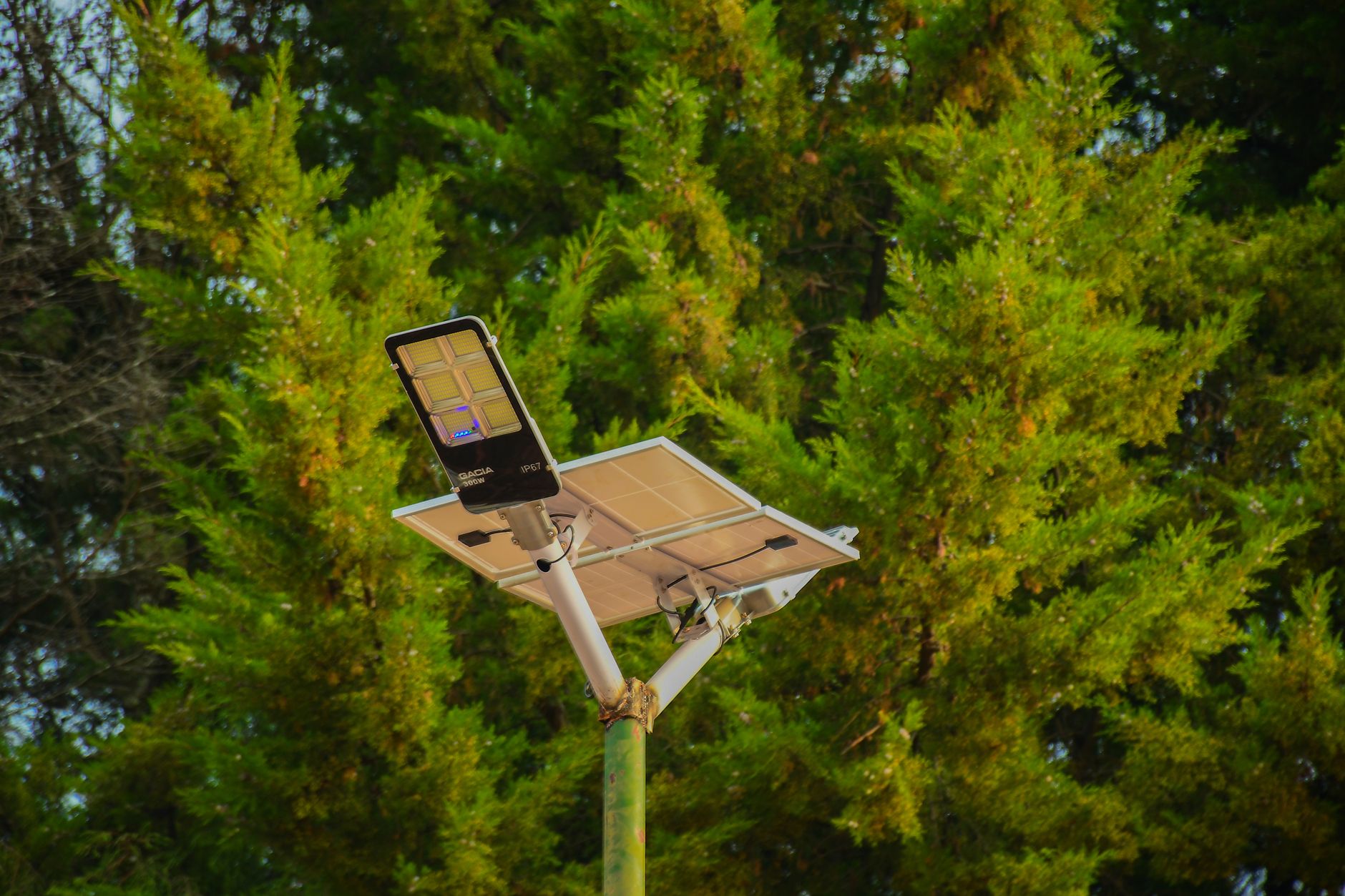
Before investing in solar energy, it helps to understand how a system works and what goes into a typical installation. Solar panels capture sunlight and convert it into electricity, while components such as inverters and mounting equipment help turn that energy into usable power. Some systems may also include battery storage for additional energy management.
As you research these options, Powertec Solar Saskatchewan is one resource you can explore to get a better understanding of how solar systems are designed and what may be involved in installing one. Learning about the different components and their roles can make it easier to compare systems and determine what may be appropriate for your property and energy needs.
2. Evaluate Your Property’s Solar Potential
Not every property has the same potential for solar energy generation. Factors such as roof orientation, roof condition, available installation space, and the amount of direct sunlight can influence system performance. Trees, neighboring buildings, and other structures may also create shade that reduces sunlight reaching the panels.
A professional assessment can help identify suitable installation areas and determine whether the property has the characteristics needed for an effective solar setup. Reviewing these factors before purchasing equipment can help avoid unnecessary expenses.
3. Consider Your Current and Future Energy Needs
Understanding how much electricity your property uses is another important step. Review recent electricity bills and consider which appliances and systems consume the most energy. Heating and cooling equipment, household appliances, lighting, and other electrical devices can all contribute to overall consumption.
It is also worth considering future changes. Adding appliances, expanding a property, or changing household needs could affect electricity consumption. Choosing a solar system based on both current and expected energy use can help ensure the installation is appropriately sized.
4. Review Installation Costs and Potential Savings
Solar energy requires an initial investment that may include panels, inverters, mounting equipment, electrical work, installation, and other project expenses. Property owners should review the complete cost rather than focusing only on the price of the equipment.
Potential savings can vary depending on electricity consumption, system size, energy rates, sunlight exposure, and overall system performance. Comparing quotes and understanding what each provider includes can make it easier to evaluate the long-term value of different options.
5. Choose the Right Solar Provider and System
The provider you choose can have an important role in the installation process. Look for companies that offer suitable equipment, professional installation, clear warranties, and reliable support. It is also useful to ask questions about maintenance and what happens if the system requires repairs.
Researching different providers and comparing their services can help you select a solar solution that aligns with your property’s requirements, budget, and long-term energy goals.
Making an Informed Solar Energy Decision
Switching to solar energy involves more than installing panels. Property owners should understand the technology, evaluate their property’s solar potential, review energy consumption, consider project costs, and research potential providers. Taking these steps can make the transition more manageable and help you determine whether solar energy is the right choice for your property.