
Do Wireless Bras Actually Offer Enough Support?
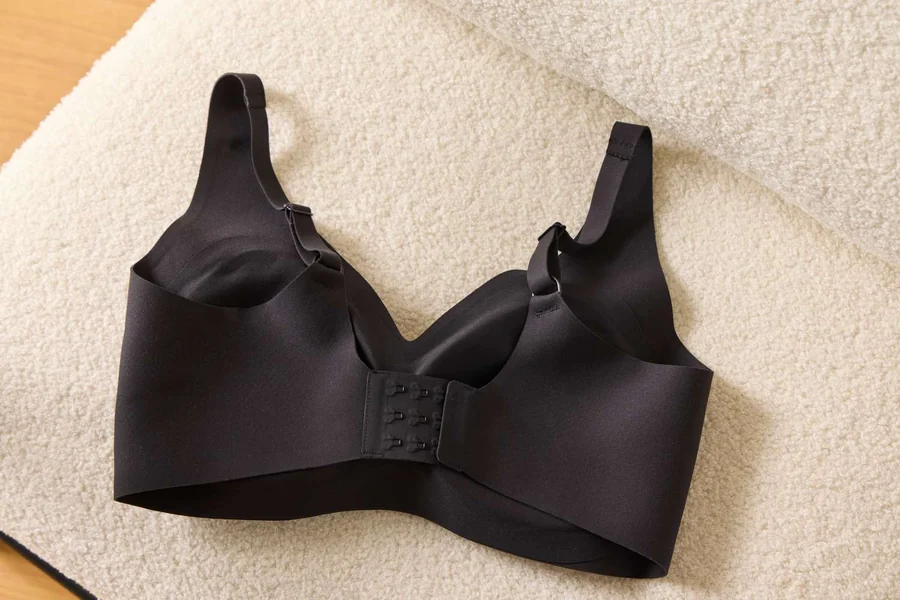
Wireless bras have a reputation for being comfortable, but many women wonder whether removing the underwire also means giving up meaningful support. The answer depends on how the bra is constructed. A wire is only one way to shape and stabilize the bust. Bands, cups, fabric, side panels, and straps can all contribute to support.
Well-designed wireless bras for women can therefore work for a wide range of body types when their construction matches the wearer’s needs.
How Wireless Bras Distribute Support Differently Than Underwire
Underwire bras use a curved wire beneath each breast to define the base of the cups and provide additional structure. This can create clear separation, lift, and shaping.
Wireless bras replace that rigid structure with other supportive features. A secure underband becomes especially important because it anchors the bra around the torso. Molded cups, supportive fabric panels, strategically placed elastic, and wider wings may then help distribute the bust’s weight.
This can create a softer and more flexible feel than traditional underwire construction. Rather than concentrating structure directly beneath the breasts, wireless designs often spread support across a larger area.
The right choice isn’t simply wireless versus underwire. Different bras for women are designed around different goals, including lift, coverage, smoothing, flexibility, and neckline compatibility.
Fuller busts may need additional structural features even when choosing wireless. The best bras for large breasts generally emphasize secure bands, adequate cup depth, and straps designed to support without carrying all of the weight.
Activity Level Considerations: Lounging vs. Daily Wear vs. Light Exercise
Wireless bras can serve very different purposes depending on their construction.
For lounging, lightweight designs with soft fabrics and minimal structure may be enough. The priority is usually comfort rather than significant lift.
Daily wear requires a stronger balance. A wireless bra worn to work, while running errands, or throughout a long day should have enough band stability and cup structure to remain secure during regular movement.
Light exercise introduces more motion. Some supportive wireless styles may work for walking, stretching, or low-impact activities, but everyday bras aren’t substitutes for dedicated sports bras when significant bounce control is needed.
Breast size also influences the amount of structure required. Someone with a smaller bust may feel comfortable with a very light wireless style, while a fuller bust may benefit from reinforced bands, wider straps, and more supportive cup construction.
Final Thoughts
Wireless bras can provide substantial everyday support when they’re designed to do so. Instead of relying on underwire, they distribute support through the band, cups, fabric, and straps. The right level of structure depends on your bust size and activity level. Lightweight styles may be ideal for relaxing, while more engineered designs can comfortably handle long days and regular movement.
Making informed choices can lead to better results, fewer mistakes, and greater satisfaction. Whether you are comparing options, planning a project, or improving your daily routine, taking time to understand the important factors is always worthwhile. A thoughtful approach helps you move forward confidently while achieving practical and lasting benefits over time.