
Why More People Are Turning To Homegrown Hobbies For A Sense Of Balance
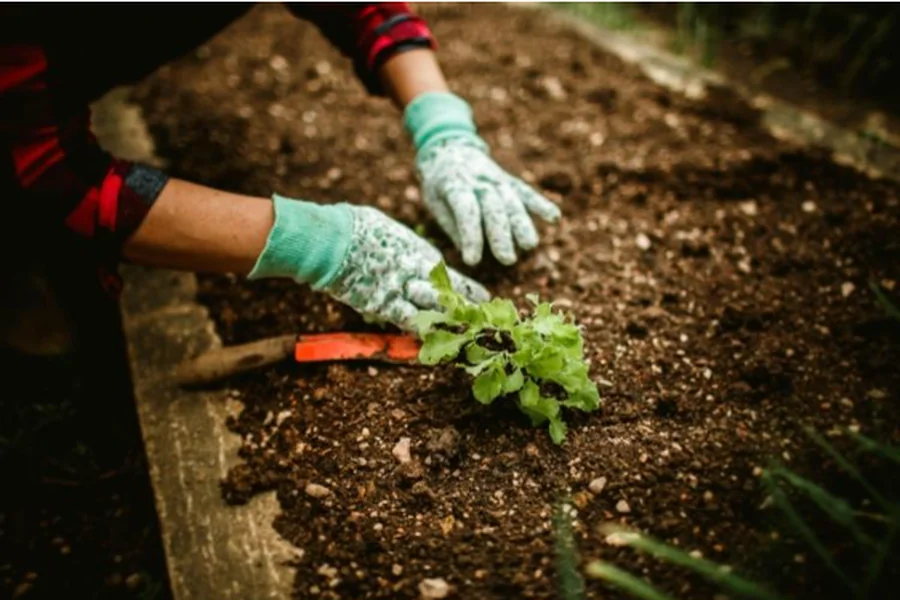
It’s incredibly easy not to be bored these days; however, people are rarely present during that time. It seems that there are always things to check on: work notifications, social networks, movies, TV shows, games – one can easily end up spending all the time switching from one screen to another. In these conditions, traditional hobbies you can do at home are gaining popularity again.
Activities like gardening, baking, crafting, woodworking, and cooking offer something digital entertainment can’t. They require concentration and physical effort, and they also let you make something concrete. For some people, it can be really helpful to balance a life full of digital distractions.
Doing Something With Your Own Hands
You can feel the difference between accomplishing a physical task and finishing something digital. It may be as simple as:
1.Baking bread
2. Repotting plants
3. Fixing furniture
4. Drawing on canvas
What is more, people can concentrate on what is directly in front of them while doing these activities. Thus, they don’t need to switch tabs or respond to notifications. Such concentration can turn any afternoon into a productive one.
Hobbies play an important role in our well-being. According to a 2025 scoping review, people can find pleasure, relax, reduce stress, and socialize through hobbies.
Home Is Not Only For Relaxation Anymore
Traditionally, home entertainment meant watching TV, reading books, and listening to music. Such activities are still popular, but more and more people are starting to use their living spaces actively.
Thus, the kitchen can be used for experiments with recipes, a balcony can host plants, and a garage can be turned into a place for woodworking or restorations. Also, just a corner of a room can be enough for such activities as painting, sewing, building models, etc.
The main idea of such activities is that they are accessible: it isn’t necessary to have a big estate, special rooms, or expensive equipment to have a rewarding hobby.
Growing Something Brings A Slow Pace Of Life
Plant growing is probably the best example of a hobby that is impossible to rush. Germination of seeds, development of plants, and harvesting happen according to natural processes, and thus, it becomes a kind of antipode to our fast-paced society.
According to the research, home gardening is associated with positive changes in the perceived well-being, stress, and physical activity of a person, especially in those who are used to gardening. Additionally, the scientists found that pleasure is a very important factor for such people.
Moreover, people can grow many different plants, depending on their preferences. A person can cultivate vegetables, flowers, herbs, or other legally grown specialty plants according to his or her preferences. Adults who want to grow special seed varieties they are allowed to cultivate can visit libertyseedbank.com.
Hobbies Become A Break From The Screen Culture
It’s hard not to notice that screens are a part of our daily routine: we use them for working, communicating, shopping, learning, meeting friends, and relaxing. As a result, it’s increasingly hard to find parts of the day free from devices.
A hands-on hobby is a good reason to stop everything else. Kneading dough or caring for plants doesn’t require refreshing the feed every few minutes, and woodworking requires both hands to stay busy.
Still, you don’t need to abandon technology completely. It’s possible to use the Internet for studying new skills, but the most interesting things will be achieved only when all the information becomes practical.
Creation Is More Rewarding Than Consumption
Modern leisure time is based on consumption: people watch movies, scroll the newsfeed, listen to podcasts, surf shops, etc. Creative hobbies let a person become a creator instead of a consumer.
Also, the final product doesn’t need to be perfect to be worthy. A not-so-perfectly made homemade bread or a handmade bowl becomes significant because of the time and effort that were spent on making it.
Little Routines Can Be Added To The Schedule
Home-grown hobbies can become the reason for small routines that make days memorable. Thus, watering plants before work, baking on Sundays, or painting for an hour on Fridays become regular activities that a person looks forward to.
Routines can be especially useful when the working process is mixed with home life. Hobbies become a good way to establish a boundary between work responsibilities and personal time without creating an elaborate schedule.
Consistency is more important than intensity: a person doesn’t have to dedicate a whole weekend to the project if 20 or 30 minutes of concentrated activity are enough.
Traditional Skills Are Finding New People
Many hobbies are becoming popular again, but they are not new. Activities such as gardening, sewing, preserving food, baking, knitting, and furniture restoration have existed for generations, but nowadays they gain additional meaning.
For example, they offer a chance to learn useful skills. Learning how to grow herbs, repair clothes, cook food from scratch, or restore old things gives some new practical knowledge.
These hobbies can connect generations. These skills can be taught by parents or grandparents and then adapted to modern homes, while online communities allow traditional techniques to be taught to people who were not familiar with them earlier.
Progress Happens at a Human Pace
Digital platforms measure success by numbers: followers, likes, views, messages, and productivity statistics. Hobbies give a different idea of progress.
It may be the appearance of a new leaf on the plant, or the accomplishment of the first scarf, or baking a better bread than last week, or repairing something that has not been used for a long time.
It can be refreshing to know that this kind of progress doesn’t require competition. It’s enough to do something for pleasure, curiosity, and satisfaction.
Choosing The Right Hobby Is Important
No hobby suits everyone. One person may enjoy the precision of baking, while another will prefer the freedom of painting or the physical activity of gardening and woodworking.
In such cases, experimenting is more helpful than choosing a hobby because it’s trendy now. It’s easier to try something when a person doesn’t have to invest much money and time.
The best hobbies are the ones that can be easily integrated into everyday life. When a person enjoys it, they’ll return to it.
Making Space For Slower Living
Homegrown hobbies will not change anything about the pressures of modern life, but they’ll help to change the way of spending free time. Creation, growth, restoration, and creation are the activities that help to forget about constant digital distractions.
In a culture that worships speed and convenience, choosing to do something slowly becomes unusual. Home-grown hobbies don’t change the whole lifestyle, but they help to achieve focus, creativity, and satisfaction.