
Same Factory, Different Rules: Medical Device Documents for Global Markets
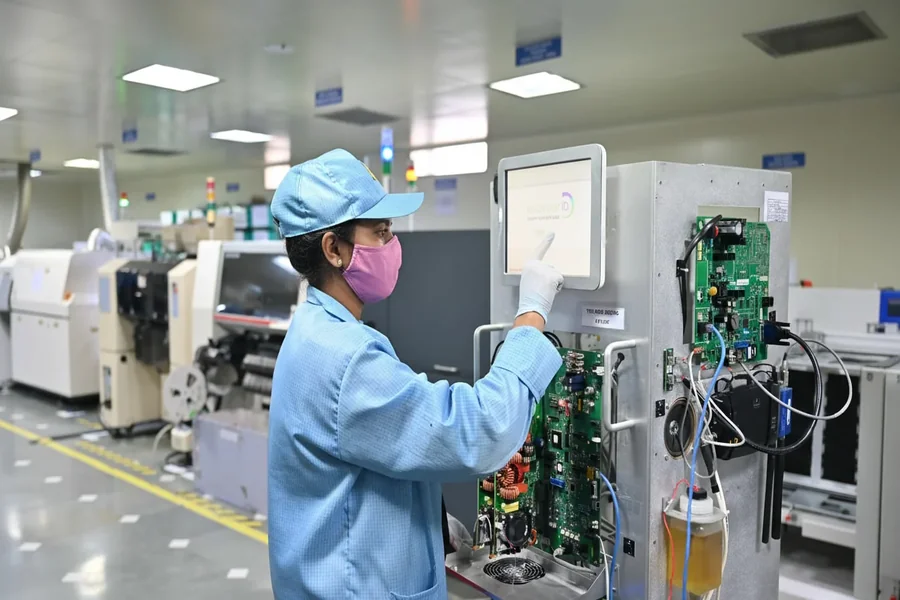
A medical device made in China can be sold in China, the United States or the European Union, and each destination asks for different documents. Sorting the paperwork by market before placing an order gives a buyer a concrete list to put to a supplier.
China: classes and routes
The National Medical Products Administration (NMPA) regulates devices under State Order No. 739 (2021). According to Emergo by UL’s whitepaper on NMPA registration, the route depends on class:
| Class | Route | Review |
| Class I | Record filing | Completeness check |
| Class II | Registration | Full technical review |
| Class III | Registration | Full technical review, possible clinical trial |
Class II and III registration certificates are valid for five years, and renewal must be filed at least six months before expiry. A Class I filing yields a Record Number that has to appear on the instructions for use and the labeling.
Devices made only for export
Many buyers source products that will never be sold in China. NMPA officials presenting to the International Medical Device Regulators Forum (IMDRF) described two export certificates:
- Type I confirms the product is approved for manufacture and sale in China
- Type II confirms the product has not been approved or filed in China and is intended only for sale outside China, and its manufacturer must meet GMP production requirements
The presentation adds that the certifying authority does not check whether products meet the importing country’s requirements. The applicant carries that responsibility. Planned changes include a simpler application process, longer validity and electronic certificates with the same legal status as paper ones.
A buyer can ask a supplier which certificate it holds for a given product, and request a copy.
The GMP deadline
The third edition of China’s medical device GMP was published in November 2025 and takes full effect in November 2026. The NMPA presentation says it grows from 8 chapters and 84 articles to 15 chapters and 132 articles. Suppliers will be working to the longer text from next month.
United States: the FDA agent
The FDA states that foreign establishments making or processing devices imported into the U.S. must identify a U.S. agent. Each establishment may designate only one agent, who must live in the U.S. or have a U.S. place of business and cannot use a P.O. box address. The agent’s role covers communication with the FDA, questions about imported devices and help scheduling inspections, and the agent has no responsibility for adverse event reporting or 510(k) submissions. That FDA page was current as of December 2017, so buyers should confirm the details against the FDA’s current guidance.
European Union: the authorised representative
Under the EU Medical Device Regulation (MDR), a manufacturer located outside the Union needs an authorised representative: a person established in the Union who has accepted a written mandate. The Norwegian Medical Products Agency’s summary of MDR Article 11 lists the representative’s tasks:
- Controlling the EU Declaration of conformity and the technical documentation
- Making documentation available to competent authorities
- Implementing preventive or corrective measures
- Informing the manufacturer immediately about complaints and incident reports
The same page states that the authorised representative, together with the manufacturer, is legally responsible for defective devices. It defines an importer as a person established in the Union who places a device from a third country on the Union market.
A request list by destination
| Destination | Ask the supplier for |
| China | NMPA record number (Class I) or registration certificate (Class II or III) and its expiry date |
| Export only | Type II export certificate, or Type I if the device is also sold in China |
| United States | Name of the FDA U.S. agent and the establishment’s registration details |
| European Union | Name of the authorised representative and the EU Declaration of conformity |
Buyers starting with medical device sourcing china research can turn this table into a supplier questionnaire and send it before any sample order. Answers that arrive with document copies are easier to verify than answers given on a call.
Keeping a file per product
Each product has its own class, its own certificates and its own destination. A simple file per product, holding the certificate copies, expiry dates and the names of the agents or representatives, makes reviews quicker when a regulator or customer asks questions. Dates matter in particular: five-year registration certificates and the November 2026 GMP date both fall inside the usual planning horizon for a supply agreement.
Questions that remain with the supplier
The sources above describe what each system asks for, and a buyer still checks whether a given supplier holds the documents. An on-site or third-party audit, together with certificate copies, gives that check a basis.
Next step
Pick one product, identify its destination markets and fill in the request table for it. The gaps in the supplier’s answers show where to focus the next conversation.