
Automated Restaurant Ordering System: How AI Ordering Works
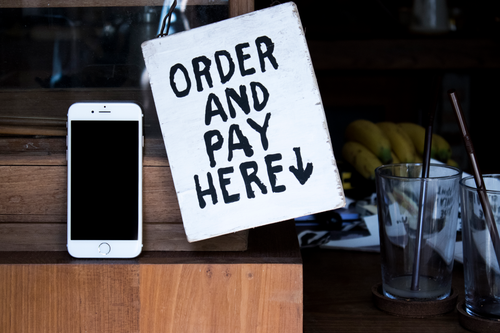
The restaurant industry is moving faster than ever before. If you walk into a busy downtown eatery or pull into a neighborhood drive-thru today, you will notice a massive shift in how food is ordered, prepared, and delivered. The days of standing in long, stagnant queues while a single stressed cashier scratches orders onto a paper pad are quickly coming to an end. The modern dining experience has gone completely digital, shifting from traditional manual operations to automated workflows.
At the center of this culinary evolution is the modern automated restaurant ordering system. This technology blends conversational intelligence, cloud networking, and real-time data to streamline traditional hospitality. For restaurant operators fighting thin profit margins and chronic labor shortages, it is a game-changer. For hungry diners, it means getting exactly what they want without the frustrating wait. Let’s break down the mechanics of this technology and explore how it is completely reshaping the global food industry.
Automated Ordering System for Restaurants: Benefits for Owners and Guests
Implementing a modern automated ordering system for restaurants creates an immediate win-win scenario for both sides of the service counter. Restaurant owners frequently struggle to balance rising food costs with the need to provide attentive customer service. Automation solves this riddle by handling the repetitive logistics of sales transactions, allowing physical teams to focus on food quality and guest hospitality.
When an establishment transitions away from manual transaction entry, the operational upgrades ripple across the entire business ecosystem:
- Significant Increases in Average Ticket Sizes: Computer algorithms never forget to upsell. The software analyzes what a guest is buying in real time. It automatically suggests complementary items, such as a premium beverage or a matching side dish, consistently boosting overall sales revenue by up to 20%.
- Drastic Reductions in Labor Stress: Instead of needing four cashiers to handle a sudden lunch rush, a business can operate smoothly with a single front-of-house host. This helps owners optimize their staffing budgets and protects their remaining crew from burning out during intense peak hours, stabilizing team retention.
- Higher Accuracy in Kitchen Production: Spoken orders frequently get lost in translation when the dining room gets loud. Digital systems send clear, standardized tickets directly to kitchen display screens, ensuring the cooking staff never misses custom adjustments or severe allergen restrictions.
- Deep Access to Consumer Behavior Data: When guests use automated platforms, the software logs their preferences over time. This data allows restaurant managers to track popular menu combinations, adjust seasonal pricing structures, and create highly targeted loyalty rewards that keep customers coming back.
AI Ordering: Voice, Kiosk, and Mobile Solutions
Modern AI ordering doesn’t rely on a single piece of hardware; it is a multi-channel ecosystem designed to meet diners exactly where they are comfortable. Whether a guest prefers tapping a sleek glass screen, speaking naturally into a microphone, or scanning a QR code from their booth, conversational intelligence adapts seamlessly to their individual habits.
To capture every potential transaction, an agile restaurant operator integrates multiple digital touchpoints across their property:
- Interactive Smart Self-Service Kiosks: Positioned directly at the front entrance, these large touchscreen terminals display vibrant, high-definition images of the menu. They allow guests to browse ingredients at their own pace, input complex allergy adjustments, and pay securely without waiting for a human clerk, speeding up traffic flow.
- Seamless In-App Mobile Integrations: Customers can open the restaurant’s web app on their personal smartphones while sitting at a table or walking toward the location. This eliminates the physical counter interaction, sending the order straight to the line cooks for immediate preparation.
- Intelligent Restaurant Phone Order AI Receptionists: When off-premise customers call to book a catering package or secure a takeout order, an automated voice agent answers instantly. It processes the entire transaction smoothly, handles the payment link, and sends a pickup confirmation text message in seconds, keeping lines entirely open.
- Table-Side Digital Tablets: Often fixed to tables in casual dining setups, these devices let diners order additional drinks, appetizers, or desserts mid-meal without waiting for their server to return. This keeps ordering active and shortens overall table turn times.
AI Ordering System: Reducing Wait Times and Human Error
The two biggest metrics that dictate whether a guest leaves a positive or negative online review are speed and accuracy. If a customer has to spend half of their limited lunch break waiting in a physical queue, or if they drive all the way home only to discover the kitchen put real cheese on their vegan burger, they are highly unlikely ever to return.
Deploying a smart AI ordering system acts as a permanent safeguard against these common operational failures:
- Eliminating Peak-Hour Bottlenecks: A digital interface can process a transaction in a fraction of the time it takes a human cashier to chat, count cash, and print physical receipts. This keeps crowds moving quickly, allowing the kitchen to maintain a steady, predictable pace throughout the rush.
- Verifying Complex Orders Visually: Before processing a payment, the digital system displays a complete, itemized breakdown of the order on a confirmation screen. This gives the customer a final chance to catch any mistakes, eliminating the risk of miscommunication and lowering material food waste.
- Dynamic Real-Time Menu Updates: If the kitchen runs out of a specific ingredient during a busy shift, the intelligent software instantly updates all digital menus, preventing guests from ordering an item that cannot be prepared and saving face automatically.
- Automated Payment Processing and Splitting: The AI ordering system allows guests to divide checks evenly or by specific items directly on the digital interface. This removes a major headache for waitstaff at the end of a meal, speeding up the final payment process.
Fast Food Automated Ordering System: What Chains Are Using
The quick-service industry has become the ultimate testing ground for large-scale automation. Because profitability in fast food depends entirely on high transaction volumes and extreme speed, major global brands have invested millions of dollars to fine-tune the archetype of the perfect fast-food automated ordering system. Operators evaluating their own rollout can start with a QSR kiosk buyer’s guide to understand hardware, placement, and integration requirements before committing.
When you analyze the corporate playbooks of the world’s biggest fast-food chains, you will find several highly advanced technologies operating in unison:
- Generative Voice Drive-Thru Assistants: High-performance acoustic microphones pair with natural language models at the drive-thru speaker box. These systems filter out loud engine noise, understand diverse regional accents, and process complex combo orders at remarkable speed, optimizing car-count metrics.
- Predictive AI Inventory Forecasting: The software looks far beyond just taking orders; it tracks purchasing patterns over time. Analyzing local weather patterns and calendar events helps managers determine exactly how much food inventory to order for the upcoming week, minimizing spoilage.
- Automated Kitchen Display Sorting: Instead of displaying incoming orders chronologically, smart kitchen monitors organize tickets by prep time. If an item takes longer to cook, the system prioritizes it so the entire meal finishes at the same moment, ensuring hot food delivery.
- Dynamic Electronic Menu Boards: These exterior digital screens automatically alter featured items based on external variables. For example, a fast-food automated ordering system will showcase refreshing iced drinks on a scorching afternoon and switch to hot coffee or comfort meals during a rainstorm.
Automated Order Taking System for Drive-Thru and In-Restaurant Use
To maximize the return on your technological investments, an automated order-taking system must bridge the gap between the indoor dining room and the outdoor drive-thru lane. A unified platform consolidates all incoming data streams into a single dashboard, giving managers complete visibility over their entire operation.
When configured correctly, a synchronized order management framework handles high-volume traffic through multiple automated pathways:
- Smart License Plate Recognition: Outdoor drive-thru systems can match a vehicle’s license plate to a returning customer’s loyalty profile. The automated voice assistant can instantly greet them by name and ask if they would like to reorder their favorite meal, speeding up processing times.
- Contactless Table-Side QR Ordering: Indoor diners can sit down, scan an encrypted QR code anchored to their table, customize their meals, and pay through Apple Pay or Google Pay without ever needing a physical menu or a server’s attention, minimizing service friction.
- Automated Third-Party Delivery Aggregation: Instead of forcing workers to manually type delivery tickets from Grubhub, Uber EatsUber Eats, and DoorDash into a main terminal, the automated system pushes all digital orders directly into the primary POS system, reducing counter chaos.
- Automated Upselling Frameworks: During the checkout phase, the automated order-taking system reviews customer choices to suggest relevant add-ons, like adding avocado to a sandwich or upgrading a side dish, executing sales strategies without manual intervention.
The global restaurant industry is undergoing a permanent structural evolution. Transitioning to an automated restaurant ordering system isn’t about removing the warm human touch that makes dining out special; it is about eliminating the friction, delays, and errors that ruin an otherwise great meal.
By embracing a comprehensive automated ordering system for restaurants, operators can protect their businesses from labor shortages, maximize daily revenue, and ensure every guest receives their food exactly as ordered. Whether you are running a fast-growing regional chain or an independent neighborhood bistro, the path forward is clear. Step away from the manual paper pad, welcome the efficiency of modern AI ordering into your workflow, and build a modern restaurant that is completely ready for the future.