
Beyond Timekeeping: How Watches Became a Statement of Personal Style
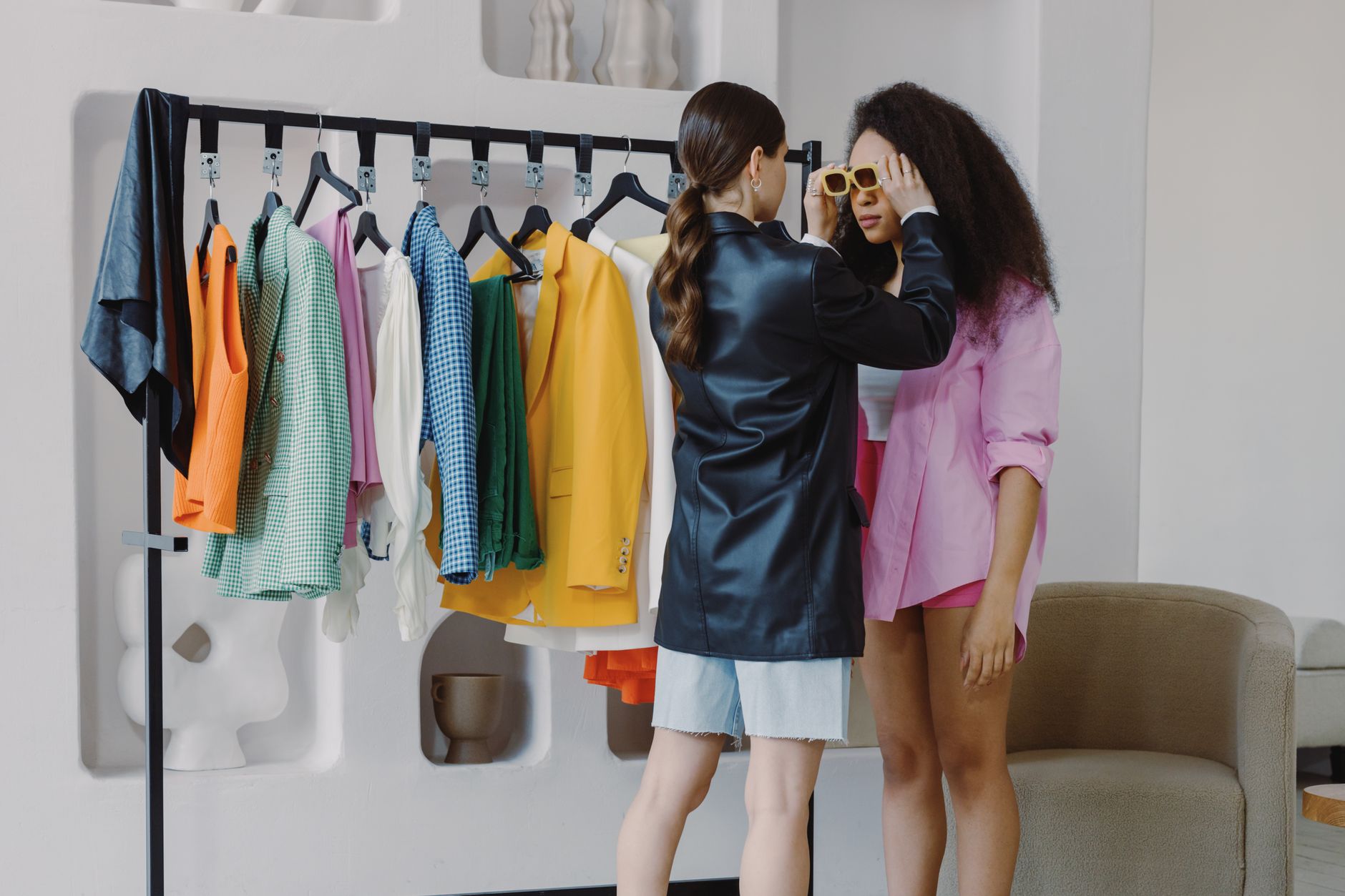
Fashion has always been about more than what we wear. It reflects our personalities, influences how we present ourselves and offers a glimpse into the things we value. From the clothes we choose to the accessories we wear every day, personal style is built through a collection of small decisions that come together to create something distinctly our own.
Few accessories capture this idea quite like a watch. While smartphones have made checking the time easier than ever, traditional timepieces continue to hold their place in contemporary fashion. They represent craftsmanship, individual taste and an appreciation for objects that are designed to last. In a culture increasingly shaped by fast-moving trends, a thoughtfully chosen watch can feel like a deliberate step towards a more personal approach to style.
The Enduring Appeal of a Well-Designed Watch
A watch occupies an interesting space between fashion and function. Unlike many accessories, it has a clear practical purpose, yet its design can say just as much about the wearer as a favourite jacket or pair of shoes. The shape of the case, the colour of the dial and the choice of strap all contribute to its overall character.
Some people are drawn to minimalist designs that complement almost anything in their wardrobe. Others prefer bold colours, distinctive details or larger cases that make a more noticeable statement. Neither approach is inherently better. What matters is finding a design that feels authentic to your personality and works with the way you live.
The continuing interest in mechanical timepieces also reflects a wider appreciation for craftsmanship. In an age of disposable products and constant upgrades, an object built around precision engineering can offer a different kind of appeal. It encourages people to look beyond immediate trends and consider how design, materials and construction contribute to long-term value.
For those exploring watches with a balance of heritage and contemporary character, Tudor watches provide an example of how established watchmaking traditions can inform modern design. Their appeal can be understood through the wider conversation about accessories that combine technical purpose with a recognisable aesthetic.
Ultimately, a watch does not need to attract attention to make an impression. Sometimes, the most compelling details are the ones noticed only when someone takes a closer look.
Personal Style Is in the Details
Developing a personal style does not necessarily require a complete wardrobe transformation. Often, the smallest details make the biggest difference. A well-chosen accessory can bring an outfit together, introduce contrast or give familiar clothing a new sense of direction.
Consider a simple combination of tailored trousers, a white shirt and clean trainers. The outfit may feel understated on its own, but a metal watch, leather strap or carefully chosen piece of jewellery can change its overall mood. The same principle applies to more formal clothing, where a subtle accessory can add depth without overwhelming the look.
This is one reason watches remain relevant across different fashion movements. They can complement a classic wardrobe while also working with more experimental styles. A traditional design may soften the sharp lines of contemporary clothing, while a more modern timepiece can introduce an unexpected element to a vintage-inspired outfit.
The important thing is to avoid treating accessories as an afterthought. Rather than buying something simply because it is popular, consider how it interacts with the pieces you already own. Look at colour, proportion, texture and the overall impression you want to create.
When accessories are chosen with intention, they become part of a consistent visual identity. That does not mean wearing the same combination every day. It means recognising what you enjoy and using those preferences as the foundation for experimentation.
Heritage Meets Contemporary Design
Fashion constantly revisits the past. Vintage silhouettes return to the runway, archival pieces inspire new collections, and familiar designs are reinterpreted for changing tastes. Watches follow a similar pattern, with many contemporary styles drawing inspiration from earlier periods of design and engineering.
Heritage can give an object a sense of continuity. Details that have remained recognisable over time often carry associations with particular eras, activities or cultural movements. Yet a historical reference does not have to result in something that feels outdated. When combined with modern materials, updated proportions and contemporary manufacturing, traditional influences can create designs that appeal to a new generation.
This balance between old and new is part of what makes watch design so interesting. A familiar dial layout may feel reassuring, while a fresh colour combination or revised case shape gives it a contemporary edge. The result can be an accessory that acknowledges its influences without being confined by them.
The same approach can be applied to fashion more broadly. Pairing a vintage-inspired watch with modern tailoring, for example, creates contrast without requiring an entirely retro outfit. Alternatively, a contemporary timepiece can add a sharper finish to classic clothing.
Rather than following the idea that every part of an outfit must belong to the same era, allow different influences to work together. Personal style often becomes more distinctive when it combines references in unexpected but considered ways.
Why Craftsmanship Still Matters
In a world where products are frequently designed for rapid consumption, craftsmanship offers a different perspective. It places emphasis on the process behind an object, from the selection of materials to the precision required during production.
Mechanical watches illustrate this particularly well. Their movements rely on carefully engineered components working together, while their external designs involve decisions about proportions, legibility, durability and comfort. Even details that appear purely decorative can influence how a timepiece feels and functions.
Understanding these elements can change the way people approach a purchase. Instead of focusing exclusively on appearance or brand recognition, buyers may begin to consider construction, servicing requirements and the suitability of a watch for everyday wear.
Craftsmanship should not be confused with price alone. An expensive object is not automatically the right choice, and a luxury purchase is not essential to developing a strong personal style. The more useful question is whether an item offers the qualities you genuinely value.
For some, that may be a mechanical movement and a long-established design history. For others, it could be comfort, versatility or a straightforward appearance that works with most outfits. Knowing your priorities makes it easier to make thoughtful decisions rather than being influenced by trends or external expectations.
Dressing for Different Parts of Your Life
Personal style rarely exists in isolation from everyday routines. Work, social events, travel and leisure all influence what we wear and which accessories become part of our regular rotation.
A watch chosen for professional settings might feature a restrained dial and a design that sits comfortably beneath a shirt cuff. For weekends, a sportier option may suit casual clothing and more active plans. An evening occasion might call for something with a distinctive finish or a more refined silhouette.
These differences do not necessarily mean you need a separate accessory for every situation. Versatility can be particularly valuable when choosing a watch. A design that transitions easily between casual and formal clothing may offer more opportunities for regular use than one suited to only a narrow range of occasions.
Comfort also deserves attention. The size and weight of a watch, the feel of its strap and the way it sits on the wrist can influence whether you enjoy wearing it throughout the day. A piece may look impressive in a display case, but its practical qualities matter once it becomes part of your routine.
Think about your lifestyle before making a decision. Consider how you dress most often, the environments you spend time in and the features that would genuinely be useful. A purchase based on these considerations is more likely to remain relevant as your needs evolve.
Moving Beyond Fast Fashion
The popularity of fast fashion has made it easier to experiment with new looks, but it has also encouraged a cycle in which trends can feel outdated almost as soon as they appear. Choosing a few enduring accessories offers an alternative way to approach personal style.
A thoughtfully selected watch can become a familiar part of your wardrobe rather than an item that needs replacing every season. With suitable care, it may accompany you through career changes, important celebrations and different stages of life. Its significance can grow through the experiences associated with it, giving the object a personal value beyond its original purpose.
This does not mean rejecting trends altogether. Fashion should leave room for curiosity, creativity and change. The aim is to balance temporary influences with pieces that continue to feel meaningful after a particular trend has passed.
Before purchasing an accessory, ask yourself whether you appreciate its design independently of its current popularity. Consider whether it complements your existing wardrobe and whether you can imagine wearing it regularly. These simple questions can encourage more deliberate shopping habits and help you build a collection that reflects your preferences.
Time, Identity and the Things We Keep
The objects we choose to keep often tell a story about who we are. A watch may remind someone of a first major achievement, a gift from a loved one or a period of life they look back on fondly. Over time, these associations can become as meaningful as the design itself.
That emotional connection helps explain why certain accessories remain important even when newer alternatives are available. They become part of a personal history, carrying memories that cannot be replicated by simply purchasing another item.
In fashion, the most interesting choices are not always the most expensive or the most recognisable. They are the ones that feel connected to the person wearing them. A watch can be a practical everyday companion, a reflection of individual taste or a reminder of a meaningful moment.
As trends continue to shift, the appeal of thoughtful design remains. By paying attention to craftsmanship, versatility and personal significance, it is possible to approach accessories with greater intention.
A watch may measure the passing hours, but its place in a wardrobe can extend far beyond timekeeping. It can represent a point of view, a respect for enduring design and a style that continues to evolve without losing its sense of identity.