
Car Ownership Tips That Everyone Should Know
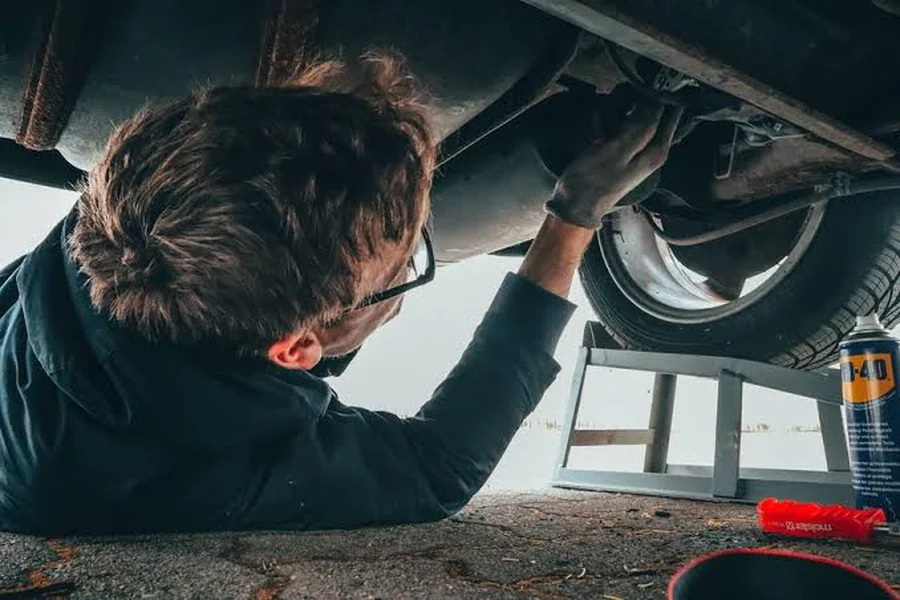
Owning a car gives you freedom, but it also brings costs and responsibilities that can easily creep up on you. An unexpected repair bill, missed renewal or change in vehicle tax can make motoring considerably more expensive than you expected.
A few minutes spent checking your vehicle or reviewing its paperwork can help you spot problems earlier and make more informed decisions about how much your car really costs to run.
Get into a routine with basic car maintenance
Check your car regularly rather than waiting for a warning light or unusual noise. Every few weeks, inspect your tyre pressures when the tyres are cold and compare them with the figures in your handbook or inside the door frame.
Incorrect pressures can increase tyre wear and fuel consumption, while badly underinflated tyres can affect handling.
You should also check the engine oil on level ground, top up screen wash and look at the coolant level when the engine has cooled. Ask someone to help you test your brake lights and indicators, and inspect your tyres for cuts, bulges and tread wear.
Remember that an MOT is not a substitute for roadworthiness
An MOT confirms that your car meets minimum legal standards when a tester examines it. It does not guarantee that the vehicle will remain safe until the next test.
You remain responsible for keeping your car roadworthy every time you drive it. A tyre could become damaged a week after an MOT, for example, or a bulb could fail the following morning.
Pay attention to changes in braking, steering, visibility and tyre condition, and arrange an inspection promptly when something feels wrong.
You can also read your latest MOT certificate for advisories and deal with developing faults before they become more expensive or dangerous.
Keep on top of tax, insurance and other legal essentials
Missing paperwork can cost far more than a few minutes of administration. Check when your MOT expires, make sure your vehicle tax remains current and confirm that your car insurance covers how you actually use the vehicle, particularly if your circumstances change.
Keep renewal dates in your phone calendar and set reminders several weeks in advance. That gives you time to compare insurance quotes rather than accepting a renewal under pressure.
If you move home, change jobs or modify your car, tell your insurer when the change could affect your policy.
Understand how vehicle tax changes affect your running costs
Vehicle Excise Duty rules can change, and recent reforms have brought electric vehicles into the tax system.
The amount you pay depends on factors such as your car’s registration date, emissions and list price, so assumptions based on another vehicle can give you the wrong figure. Check the current government rules for your specific vehicle before setting your annual motoring budget.
Divide the yearly cost by 12 when estimating monthly expenses, then review the figure when tax rules or your vehicle change. That approach gives you a more realistic picture of what ownership costs beyond fuel and servicing.