
Creating the Perfect Yoga Class Atmosphere with Royalty Free Music
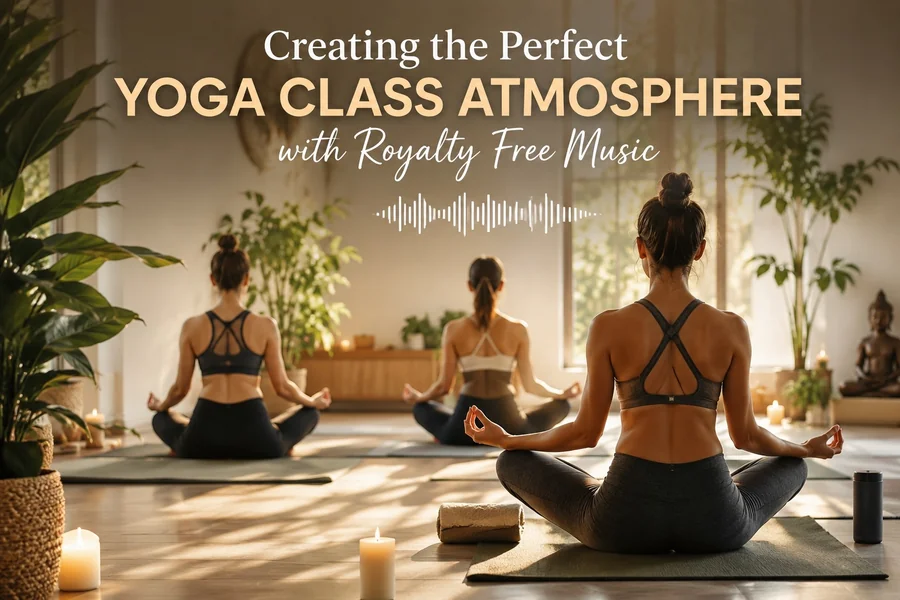
A memorable yoga class is shaped by far more than movement alone. Every detail in the room influences how students feel from the moment they step onto their mats. Lighting, temperature, scent, instructor presence, and sound all work together to create an environment where people can disconnect from daily distractions and reconnect with themselves.
Music, in particular, has a remarkable ability to guide emotions without demanding attention. The right soundtrack encourages steady breathing, supports mindful transitions, and helps participants remain fully present throughout the session. Poor music choices, on the other hand, can interrupt concentration, create unwanted distractions, or shift the energy in a direction that does not match the intention of the practice.
Building an inviting yoga atmosphere requires thoughtful planning rather than simply pressing play on a random playlist. Understanding how music complements different styles of yoga allows instructors to create experiences that students remember long after class has ended.
Why Sound Shapes the Yoga Experience
The right music helps create a calm, focused atmosphere that allows students to settle into their practice. Gentle instrumental compositions encourage relaxation without competing with the instructor’s guidance, making them ideal for yoga, meditation, and mindful movement.
Unlike high-energy workout playlists, yoga music should complement the natural rhythm of breathing and movement. Soft, unobtrusive soundtracks help maintain a peaceful flow from the beginning of class to the final relaxation.
For instructors searching for professionally produced royalty free yoga music, ZenMix offers carefully crafted collections designed specifically for yoga classes, meditation sessions, wellness studios, and online instruction. Choosing high-quality royalty free yoga music helps create a consistent, professional atmosphere while ensuring every track is licensed for commercial use.
Whether you’re teaching in a studio or virtually, the right soundtrack helps create an experience that feels polished, intentional, and deeply relaxing.
Matching Music with Different Yoga Styles
Every yoga discipline carries its own personality. Music should reflect the pace and purpose of each practice rather than following a single formula.
A slow Yin Yoga session benefits from long ambient tones that encourage stillness during extended holds. Minimal instrumentation allows students to focus inward while creating an almost meditative environment.
Hatha Yoga often follows a balanced rhythm with moments of gentle movement and quiet reflection. Soft piano, acoustic textures, or calming nature-inspired compositions fit comfortably alongside these transitions.
Vinyasa Flow introduces continuous movement between postures. Music with a smooth, steady rhythm can support the natural cadence of breath and movement without becoming overpowering. The soundtrack should remain supportive rather than becoming the center of attention.
Restorative Yoga emphasizes complete relaxation. Soft drones, tranquil soundscapes, and subtle melodies create a comforting atmosphere where students feel safe enough to release physical tension.
Understanding these differences allows instructors to create sessions that feel authentic rather than generic.
The Emotional Power of Tempo
Tempo quietly influences the emotional direction of every class.
Faster music naturally increases alertness and energy. Slower compositions encourage relaxation and introspection. Even small differences in rhythm can affect breathing patterns and overall mood.
A well-designed yoga playlist often begins with gentle welcoming music that helps students transition away from the stress of daily life. As the practice progresses, slightly stronger rhythmic elements may accompany standing sequences or flowing movements. Toward the end of class, the music gradually softens again to support cooling stretches and final relaxation.
These subtle changes mirror the emotional journey students experience throughout the session.
When transitions feel seamless, participants rarely notice the music itself. Instead, they remember how calm and connected they felt.
Keeping Music in the Background
One common mistake is allowing music to dominate the class.
Students attend yoga sessions to deepen awareness rather than attend a concert. Songs with prominent vocals, dramatic shifts, or aggressive percussion can pull attention away from breathing and alignment.
Instrumental music often provides the greatest flexibility because it leaves mental space for instruction and self-reflection.
Volume also deserves careful consideration. Music should remain comfortably below the instructor’s speaking voice while still filling moments of silence naturally.
Testing sound levels before students arrive helps eliminate distractions once class begins.
Creating Consistency Across Every Session
Students often return because they enjoy the emotional experience created during previous classes.
Maintaining a recognizable atmosphere helps establish trust and familiarity. This does not require using the exact same playlist every session. Instead, instructors can develop a musical identity by selecting tracks with similar tones, instruments, and pacing.
Over time, students begin associating that sound with relaxation, mindfulness, and personal growth.
Consistency strengthens the overall brand of both individual instructors and yoga studios.
Music as Part of Professional Teaching
Professionalism extends beyond teaching technique.
Thoughtfully selected music demonstrates preparation and respect for students’ experience. Every aspect of class communicates the instructor’s attention to detail.
Professionally produced recordings typically provide better sound quality than compressed streaming audio, creating a richer listening experience throughout the room.
Legal licensing also plays an important role. Using music with appropriate permissions helps instructors avoid copyright concerns while supporting ethical creative practices.
Students may never ask where the music came from, yet they will notice the difference between a carefully planned atmosphere and a hastily assembled playlist.
Designing a Playlist That Tells a Story
Excellent yoga playlists resemble meaningful conversations.
They begin gently, establish comfort, build confidence, encourage exploration, and finally settle into complete stillness.
Abrupt genre changes or dramatic shifts in mood interrupt this emotional narrative.
Many experienced instructors organize playlists according to the structure of their lesson plans. Opening tracks support arrival and grounding. Mid-session selections accompany active movement. Closing pieces gradually slow breathing before Savasana begins.
The final moments deserve particular attention.
Silence following soft ambient music often feels more powerful than silence that appears suddenly after energetic compositions.
Students leave carrying that emotional impression with them throughout the rest of their day.
Supporting Meditation and Breathwork
Many yoga classes include meditation, pranayama, or guided relaxation alongside physical movement.
These moments require music that gently disappears into the background.
Long sustained notes, natural textures, and subtle harmonic changes encourage slower breathing while minimizing mental distraction.
Music should create spaciousness rather than constant stimulation.
When instructors carefully coordinate breathing exercises with calm audio, students often find it easier to maintain focus and remain present throughout the practice.
Avoiding Common Music Selection Mistakes
Several common errors can reduce the effectiveness of an otherwise excellent yoga class.
One frequent mistake involves choosing songs based entirely on personal preference. Music enjoyed during commuting or leisure time may not create the atmosphere students need during yoga.
Another issue arises when playlists contain inconsistent volume levels. Sudden increases in loudness immediately break concentration.
Overly familiar popular songs may also encourage students to sing internally or recall unrelated memories instead of remaining focused on their practice.
Finally, relying exclusively on algorithm-generated playlists can produce unexpected mood changes that disrupt the flow of class.
Intentional planning consistently produces stronger results than random selection.
Enhancing the Studio Environment Beyond Music
Although music plays a significant role, it works most effectively alongside other environmental elements.
Soft lighting reduces visual distractions while creating a welcoming atmosphere.
Comfortable room temperatures help students remain focused on movement rather than physical discomfort.
Natural aromas, uncluttered spaces, and thoughtful room organization all contribute to a sense of calm.
When every sensory element supports the same purpose, students experience greater immersion.
Music becomes one piece of a carefully balanced environment rather than an isolated feature.
Helping Students Build Lasting Connections
People rarely remember every posture they performed during class.
They remember how the experience made them feel.
A peaceful atmosphere encourages students to associate yoga with emotional balance, personal restoration, and inner calm. That emotional connection often becomes the reason they continue returning week after week.
Instructors who consistently create meaningful environments strengthen both student satisfaction and long-term loyalty.
The atmosphere itself becomes part of the teaching.
Final Thoughts
Creating an exceptional yoga class involves thoughtful attention to every detail, and music remains one of the most influential elements of the overall experience. Carefully selected sound encourages mindfulness, supports breathing, complements movement, and transforms an ordinary session into one that feels restorative and memorable.
When instructors intentionally match music to the style of practice, maintain smooth transitions, and preserve a calm emotional flow, students benefit from an environment where concentration comes naturally. Combined with a welcoming studio, compassionate instruction, and consistent class planning, the right soundtrack becomes an invisible guide that enriches every moment on the mat.
A peaceful atmosphere is never created by chance. It is built through deliberate choices that help every student leave feeling calmer, stronger, and more connected than when they arrived.