
Health Benefits Of A Mediterranean Diet
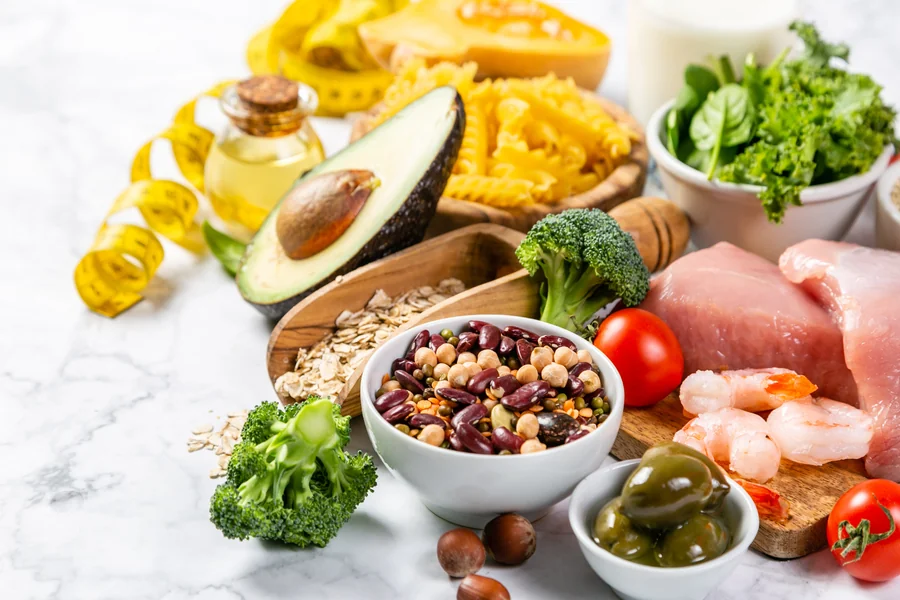
Most conversations about the Mediterranean diet start with what you should eat. A more useful place to start is what the diet quietly changes in everyday life. It changes the rhythm of meals, the quality of your energy, and the way healthy eating fits into a normal week instead of feeling like a short term project. That is one reason the Mediterranean diet keeps showing up in research on heart health, longevity, and chronic disease prevention. It is not built like a strict program. It works more like a pattern that becomes easier to keep following over time.
That everyday practicality matters more than people think. Healthy eating often falls apart when it clashes with work, social plans, and family schedules. A Mediterranean approach holds up better because it leans on simple foods that are easy to repeat, share, and enjoy, whether you are cooking at home or arranging office lunch catering for a busy team. Instead of asking you to obsess over rules, it nudges you toward meals centered on vegetables, beans, whole grains, olive oil, seafood, yogurt, nuts, and fruit.
By doing that, it supports the body in ways that go beyond the scale. Research from the National Heart, Lung, and Blood Institute connects Mediterranean style eating with lower cardiovascular disease risk and reduced risk of premature death, especially when the pattern emphasizes plant foods and healthy fats instead of sweets and heavily processed meats. NHLBI research on Mediterranean style eating and cardiovascular health helps explain why this pattern has such staying power in both science and real life.
It Helps Your Body Run On Steadier Fuel
One of the most noticeable benefits of a Mediterranean diet is that it tends to smooth out the highs and lows of eating. Meals built around fiber rich vegetables, legumes, intact grains, and healthy fats digest more gradually than highly refined, sugary meals. That can translate into steadier energy, better focus in the afternoon, and fewer moments where you feel like you need a snack right now or everything falls apart.
This is not just about comfort. Those steadier patterns can support better blood sugar control over time, which matters for long term metabolic health. When your usual meals are less dependent on refined carbs and more balanced with fat, fiber, and protein, you are often less likely to overeat later. In real life, that creates a sustainable path to weight management. The Mediterranean diet does not need to be extreme to be effective. It works partly because it lowers the friction that comes with constantly starting over.
It Protects The Heart Without Feeling Like Punishment
A lot of people hear the phrase heart healthy and picture bland food. The Mediterranean diet is almost the opposite. Olive oil, herbs, beans, tomatoes, fish, leafy greens, nuts, and whole grains create meals that are satisfying and deeply flavorful. That makes it easier to stick with, and consistency is where many of the benefits show up.
Heart protection comes from the whole pattern, not a single miracle ingredient. Replacing some saturated fats with monounsaturated fats from olive oil and similar foods can support healthier cholesterol levels. Eating more plants increases fiber and beneficial compounds that support blood vessels and help calm chronic inflammation. Choosing fish and legumes more often than processed meats can also improve the overall nutritional quality of the diet. The broader point is that your heart benefits when your meals become less industrial and more recognizable.
The National Institutes of Health has also highlighted evidence linking Mediterranean diet patterns with lower risk of heart related problems, including sudden cardiac death in some populations. That does not mean one perfect salad cancels out everything else. It means repeated, ordinary meals can add up to extraordinary protection when they become your norm.
It Lowers Chronic Disease Risk By Changing The Default
Many chronic diseases are shaped by habits that seem small in the moment. Too many ultra processed foods. Too few plants. A pattern of eating that spikes hunger, encourages overeating, and leaves little room for nutrient dense foods. The Mediterranean diet changes that default setting.
Because it emphasizes beans, vegetables, fruit, nuts, seeds, olive oil, and lean proteins, it naturally raises intake of nutrients and compounds associated with better health. It also tends to reduce reliance on foods strongly linked with poorer health outcomes when eaten in excess, such as processed meats, sugary beverages, and refined snack foods. According to the Harvard Nutrition Source guide to the Mediterranean diet, the pattern is supported by research for cardiovascular disease prevention, healthy aging, and, when appropriate overall calorie intake is considered, healthy weight loss.
That combination matters because chronic disease prevention rarely comes from one dramatic intervention. More often, it comes from a dietary pattern that is doable enough to repeat for years.
It Supports Weight Management In A Calmer Way
One underrated health benefit of the Mediterranean diet is psychological. It gives people a way to eat well without turning every meal into a test of willpower. Since the foods are filling and satisfying, many people find they can manage their weight without the constant tension that comes with restrictive plans.
This approach also tends to encourage a healthier relationship with food. Meals are meant to be eaten slowly, enjoyed socially, and built around real ingredients. That can reduce the all or nothing mindset that often drives yo yo dieting. If lunch includes grain salad with vegetables and chickpeas, or salmon with farro and roasted peppers, it feels like a real meal, not a compromise.
Long term weight management usually depends on whether your routine feels livable. The Mediterranean diet is livable because it does not demand perfection. It asks for a pattern, and patterns are easier to keep than rules.
It May Help You Live Longer, But It Also Helps You Live Better Now
The biggest headline around the Mediterranean diet is often lifespan. Yes, that matters. Lower risk of cardiovascular disease, better metabolic health, and reduced chronic inflammation all point in a direction people care about: a longer life. But the more immediate payoff may be just as motivating.
People often feel better eating this way. They cook more simply. They rely less on packaged convenience foods. Their meals look more colorful and satisfying. Their eating habits become easier to maintain during workweeks, holidays, and social events. In other words, the Mediterranean diet improves quality of life while also supporting quantity of life.
That might be the real secret to its success. It is not a diet that waits years to reward you. It starts paying you back in energy, satisfaction, and consistency while also lowering your risk of serious health problems down the road.
Why This Way Of Eating Lasts
Fad diets usually fail because they ask people to live against their own lives. The Mediterranean diet works because it fits into them. It is flexible enough for home kitchens, family dinners, and work lunches. It values pleasure, balance, and habit. It focuses on foods that nourish without making eating feel tense or joyless.
If there is one lesson to take from its health benefits, it is this: the best diet is often the one that improves your future by making your present more manageable. The Mediterranean diet does exactly that. It protects the heart, supports healthy weight management, lowers chronic disease risk, and may extend lifespan. Just as important, it makes healthy eating feel like something you can actually keep doing.