
How Content Creators Are Using an Online Voice Changer to Reinvent Their Sound
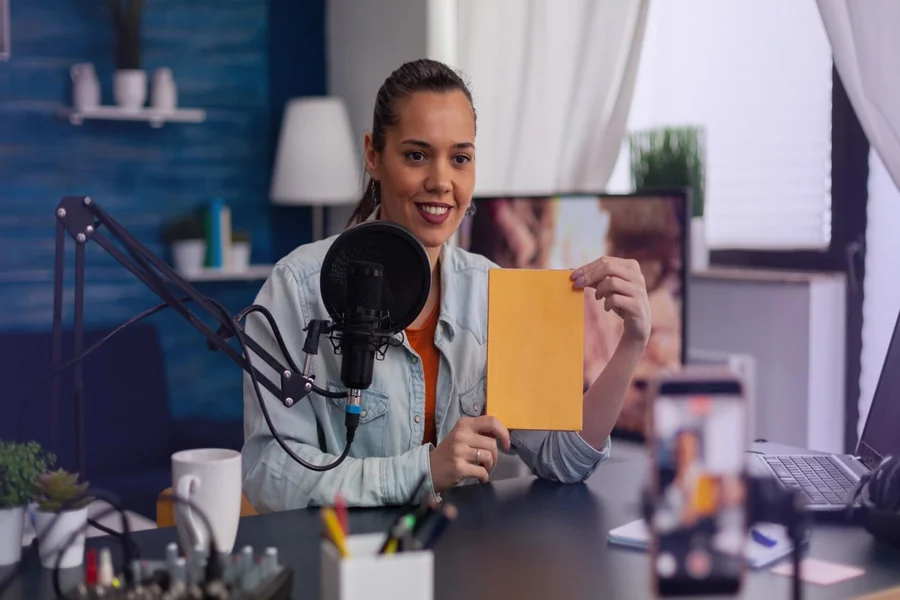
The creator economy moves fast. What worked last quarter feels stale today, and audiences are constantly hunting for the next fresh format. While visual trends get most of the attention — new filters, editing styles, aesthetic shifts — audio is quietly becoming the differentiator that separates memorable content from forgettable noise. Podcasters, video creators, musicians, and streamers are all discovering that voice transformation is one of the most versatile tools in their arsenal, and an online voice changer is making it accessible to anyone with a browser.
From character voices in comedy skits to pitch-perfect vocal effects in music production, the applications are broader than you might think. And because modern tools run entirely online — no software downloads, no studio equipment — the barrier to entry has essentially disappeared.
Voice changing used to be a novelty. Early versions were clunky pitch-shifters that made everyone sound like a robot or a chipmunk, useful for a quick laugh but not much else. Content creators treated them as a one-time joke, not a serious production tool.
That has changed completely. Today’s online voice changer platforms use AI-driven models that preserve natural speech patterns while transforming the vocal identity. The output sounds human, not processed. A male creator can produce a convincing female voice. A podcaster can generate a co-host without booking a second person. A musician can prototype vocal effects in seconds instead of spending hours in a DAW.
This shift from gimmick to creative staple happened because the technology finally crossed the quality threshold where output sounds genuine enough for professional use. Creators who once dismissed voice changing as a toy are now building entire content strategies around it.
Where an Online Voice Changer Fits in Content Creation
Comedy and Character Content
Character-driven content thrives on distinct voices. Think of the creators who animate different personas in a single video — the clueless friend, the know-it-all expert, the dramatic narrator. Traditionally, this required either multiple performers or awkward self-recorded voice modulation. An online voice changer lets a solo creator produce an entire cast of characters from one recording session, each with a believable and consistent vocal identity.
The result is more dynamic content that holds viewer attention longer. Comedy sketches feel like ensemble pieces. Reaction videos gain an extra layer of entertainment. Solo podcasts can introduce recurring guest characters that keep listeners coming back.
Music Production and Vocal Experimentation
Independent musicians and producers are using an online voice changer as a rapid prototyping tool. Before committing to a final vocal take, you can test how a melody sounds in different registers, experiment with gender-flipped vocals, or create harmonies from a single performance. This is particularly useful for bedroom producers who don’t have access to session singers.
The process is straightforward: record your vocal line, run it through different voice profiles, and listen to how each variation changes the emotional impact of the track. What used to require booking studio time with multiple vocalists can now be explored in an afternoon, from your desk.
Streaming and Live Content
Live streamers face a unique challenge: keeping the audience entertained for hours at a stretch. An online voice changer adds a real-time interactive element. Streamers can switch personas mid-broadcast, respond to chat in character voices, or run voice-based mini-games with their audience.
The key advantage here is latency. Modern online voice changer tools process audio fast enough for live use, meaning the transformed voice reaches viewers without noticeable delay. This opens up formats that simply weren’t possible before — interactive storytelling streams, voice-based audience challenges, and character-driven gaming broadcasts where the streamer’s voice matches their in-game avatar.
Podcast Production
Podcasts are exploding, but the format has a sameness problem. Solo hosts talking for forty minutes can drag, and not every creator can afford to hire co-hosts or guests. An online voice changer solves this by letting a single host simulate a multi-person conversation.
This is not about deceiving listeners — it is about adding variety. A podcaster can introduce a “producer” character who asks clarifying questions, or a “guest expert” who offers a different perspective. The vocal transformation makes these transitions feel natural rather than jarring, and it keeps the listening experience dynamic.
What Makes a Good Online Voice Changer
Not all voice transformation tools are created equal. If you are evaluating options for your content workflow, here are the factors that matter:
Output quality. This is non-negotiable. If the transformed voice sounds robotic, tinny, or obviously processed, your content loses credibility. Look for platforms that use AI-based voice models rather than simple pitch algorithms. The difference is immediately audible.
Processing speed. For recorded content, a few seconds of processing time is fine. For live streaming, you need near-instant transformation. Check whether the online voice changer supports real-time use or if it is post-production only.
Voice variety. The more profiles available, the more creative flexibility you have. Some platforms offer dozens of preset voices — different ages, genders, accents, and tones. Others let you fine-tune parameters manually. Ideally, you want both options.
Ease of use. If the tool requires a tutorial to operate, it is too complicated for a fast-moving content workflow. The best online voice changer platforms work directly in your browser: upload or record audio, pick a voice, download the result. No plugins, no installations, no friction.
A Practical Workflow for Creators
If you want to start integrating voice transformation into your content, here is a simple approach:
1. Identify where voice variety would add value. Maybe your podcast needs a second persona. Maybe your comedy channel needs more characters. Maybe your music needs experimental vocal layers. Pinpoint the specific gap first.
2. Record your base audio cleanly. Good input produces good output. Use a decent microphone, minimize background noise, and speak naturally. The online voice changer works best when the source material is clean.
3. Experiment with multiple profiles. Do not settle for the first voice that sounds okay. Try several options and compare them side by side. The right voice for a character or effect often is not the obvious choice.
4. Test with a small audience. Before committing to a new voice format across all your content, test it on a single video or episode. Watch the engagement metrics. If retention improves, you are on the right track.
5. Build a voice library. Once you find profiles that work, document them. Give each character voice a name and note which settings produced it. This makes future production faster and keeps your characters consistent across episodes.
Frequently Asked Questions
Can I use an online voice changer for commercial content?
Most platforms allow commercial use, but licensing terms vary. Always check the specific agreement before monetizing transformed voice content, especially if you are producing content for clients or brands.
Does voice changing require a powerful computer?
No. Because the processing happens on cloud servers, an online voice changer works on any device with a browser and internet connection. You do not need a high-end PC or specialized audio hardware.
Will audiences be able to tell the voice is AI-transformed?
With current AI models, the output is remarkably natural. Most casual listeners cannot distinguish a well-processed AI voice from a recorded human voice. The key is choosing quality tools and starting with clean source audio.
Is this only for entertainment content?
Not at all. While entertainment is the most obvious application, an online voice changer is also useful for educational content, corporate training videos, audiobook production, and accessibility content. Anywhere voice variety adds value, the technology applies.
Looking Ahead
Voice is the next frontier in content differentiation. Visual tools have matured — everyone has access to good cameras, editing software, and design templates. But audio creativity is still wide open, and creators who master voice transformation now will have a distinct advantage as the technique becomes more mainstream.
An online voice changer is not just a tool for making funny voices. It is a production asset that expands what a single creator can accomplish. Whether you are building characters for a comedy channel, prototyping vocals for a music track, or adding personality to a solo podcast, the ability to transform your voice on demand changes what is possible — and it does so without requiring a studio, a budget, or a team of voice actors.
The creators who experiment with this technology today will be the ones defining what engaging audio content sounds like tomorrow.