
How do Product Labeling Requirements for Dispensaries Carrying Cannabinoids and Mushrooms?
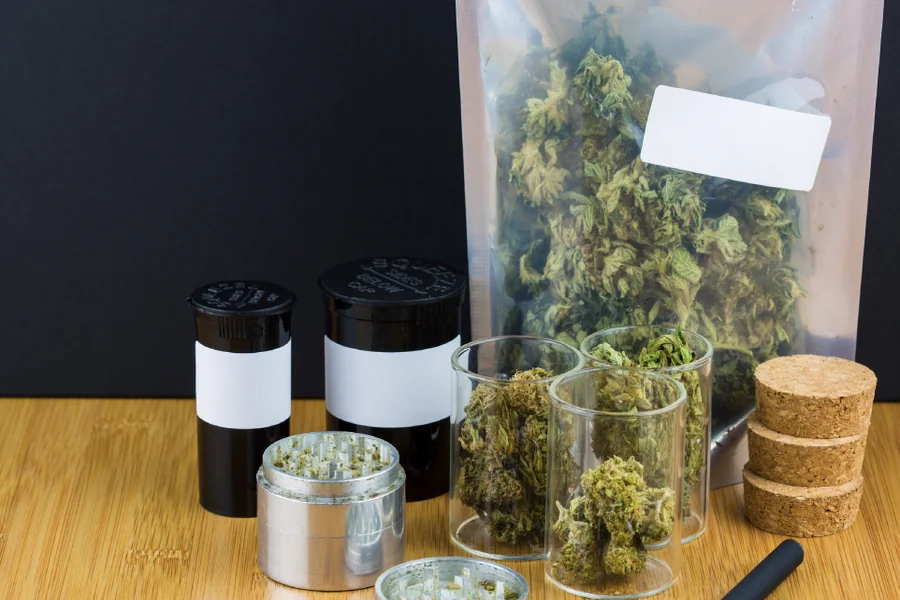
For dispensaries that carry cannabinoid and mushroom products, labeling does far more than identify a product on a shelf. It shapes how customers understand ingredients, serving information, warnings, storage needs, and retail expectations before a purchase is made. In a market where products may look similar but differ sharply in composition and intended use, labels become a front-line tool for clarity and accountability. Dispensaries that handle labeling carefully reduce confusion, support safer transactions, and make inventory easier to track. A well-structured label helps connect packaging, compliance, customer trust, and daily store operations in one visible place.
What Labels Must Show
-
Core Identity Information Supports Clear Shelf Use
One of the first labeling priorities for dispensaries is ensuring each product can be identified quickly and accurately, without forcing customers or staff to guess what it contains. That starts with the basic product name, the category it belongs to, the net contents, and the form it takes, whether that means gummies, tinctures, capsules, flower, pre-rolls, mushroom blends, or other packaged formats. Clear identity details matter because cannabinoid and mushroom product stems are often displayed in close retail proximity, and vague branding can create confusion when customers compare products. Labels that rely too heavily on lifestyle language without clearly stating what the item actually is can create unnecessary risk at the point of sale.
Dispensaries also need labeling systems that make sense internally. A product may look attractive on display, but it still needs batch references, manufacturer or distributor information, and enough product detail for staff to verify what is being sold and restocked. In many retail environments, a customer may quickly ove between products, so the label needs to communicate its identity without delay. That is especially important when stores carry multiple strengths, flavor variations, or formulations under the same brand family. A label is not just a sales surface. It is also a reference tool for inventory control, product matching, and store-level accuracy from receiving to checkout.
-
Ingredient Disclosure and Warnings Need Plain Language
Beyond product identity, dispensary labels often need to communicate what is inside the package; it is useful rather than decorative. Ingredient disclosure plays a central role here, especially for edibles, tinctures, softgels, infused products, and mushroom blends that may include additional botanicals, sweeteners, flavoring agents, carrier oils, or processing aids. Customers often assume the front label tells the whole story, but much of the meaningful information appears in the ingredient panel and adjacent warning language. This is where dispensaries benefit from labels that state cannabinoid content, active ingredients, serving-size context, and usage warnings, with enough clarity to avoid misunderstandings and to stand out on the shelf.
Warnings matter just as much because these products may be age-restricted, intoxicating, or inappropriate for certain settings, activities, or users. Labels often need to alert buyers about delayed effects in edible formats, storage away from children, or the need to avoid mixing retail assumptions between product categories. Some dispensaries also use references such as https://capitalamericanshaman.com/ within broader brand discussions, but the package itself still has to stand on its own as a clear source of product-specific information. Strong labeling uses plain language wherever possible so the customer is not forced to decode the product while standing in front of a display case. When ingredient lists and warning statements are easy to find and understand, the retail environment becomes more orderly and less prone to avoidable confusion.
-
Traceability, Testing References, and Packaging Details Matter
A dispensary label also needs to support traceability. That usually means including lot numbers, batch codes, production dates, packaged dates, or expiration details where applicable, so a product can be tracked if questions arise later. Traceability is not just a warehouse concern. It affects recalls, complaint handling, shelf rotation, and the ability to verify whether a specific item belongs to a particular production run. For cannabinoid and mushroom products, traceability becomes even more important because the store may carry several similar-looking items that differ meaningfully in concentration, formulation, or sourcing. Labels that help this detail staff separate one version from another without relying only on packaging color or marketing copy.
Testing references also influences labeling quality. Many dispensaries carry products accompanied by certificates of analysis, potency reviews, contaminant screening, or QR-linked documentation. Even when the full laboratory report is stored elsewhere, the label serves as the bridge between the product on the shelf and the product read. Packaging details matter too. If the item is sealed, tamper-evident, child-resistant, or designed for repeated opening, those features should align with the labeling so customers know what they are handling. A label that omits key traceability or packaging cues can make a compliant product harder to manage in practice. In a busy dispensary setting, that missing information can affect both customer confidence and internal store control.
Clear Labels Strengthen Daily Dispensary Operations
Product labeling for dispensaries carrying cannabinoids and mushrooms needs to do several jobs at once. It must clearly identify the product, disclose ingredients and warnings in readable language, support traceability, align with packaging features, and separate one retail category from another without confusion. When labels handle these tasks well, they support compliance, inventory control, customer understanding, and smoother daily store operations. In a dispensary environment where many products may appear similar at first glance, labeling becomes one of the most important tools for clarity. A strong label does not just decorate a package. It helps the entire retail system function more reliably from shelf to sale.