
How Does a Cannabis Seed Bank Stay Relevant for Forty Years?
A cannabis brand can attract attention with one celebrated strain. Remaining useful to growers across four decades requires a different kind of discipline. Tastes change, laws shift, cultivation methods improve, and new breeding teams arrive with fresh ideas. A seed bank that lasts must protect the genetics people trust while making room for better uniformity, clearer information, and new formats.
For Barney’s Farm, that long view began in Amsterdam and reaches back to the 1980s. The company’s founder, Derry, traveled through India and other parts of Asia to study local cannabis populations and collect seed stock before Barney’s Coffeeshop opened in 1986. That origin still matters because customers buying marijuana seeds assess more than a fashionable name; they want a believable pedigree and plants that perform close to the description.
Preserve the Library Before Chasing Novelty
Longevity starts with genetic memory. A breeder needs records, parent lines, backups, and trusted growers who can preserve material beyond one facility. Barney’s Farm’s library had to be rebuilt after European grow facilities were lost in 2017. Copies held by growers across three continents allowed the team to restore the collection over the next two years. That kind of redundancy turns heritage into something usable rather than nostalgic.
Preservation does not mean freezing a catalog in time. Older lines can provide known traits for new crosses, while landmark releases help a breeder judge whether newer work improves consistency, yield, flavor, resin, or flowering time. Amnesia Haze, G13 Haze, Tangerine Dream, and Liberty Haze also provide customers with reference points across different periods of the company’s history.
Relevance also depends on meeting growers where they live. A seed bank may keep one breeding philosophy while adjusting language, fulfillment, customer support, and stock to regional needs. Barney’s Farm now operates a US base in California, and its German storefront lets European customers browse Hanfsamen with local terms and logistics rather than treating every market as an extension of Amsterdam. The genetics remain connected, but the buying experience becomes less distant.
Let Formats Change When Growers Change
The grower of 2026 has choices that were uncommon in 1986. Feminized seed reduced the need to identify and remove male plants in many home grows. Autoflowering varieties made shorter, light-independent cycles more practical.
More recently, F1 programs have put greater attention on uniform growth and predictable crop performance. A veteran seed bank stays current by testing these formats without pretending every customer wants the same one.
That balance becomes easier to judge through a few practical questions. They separate a meaningful breeding advance from a release built mainly around a fashionable label.
- Does the new format solve a real cultivation problem?
- Can breeders repeat the desired traits across a useful number of plants?
- Do product descriptions state the expected variation as clearly as the best outcomes?
- Does the release add something distinct to the catalog without erasing proven lines?
Treat Consistency as a Moving Target
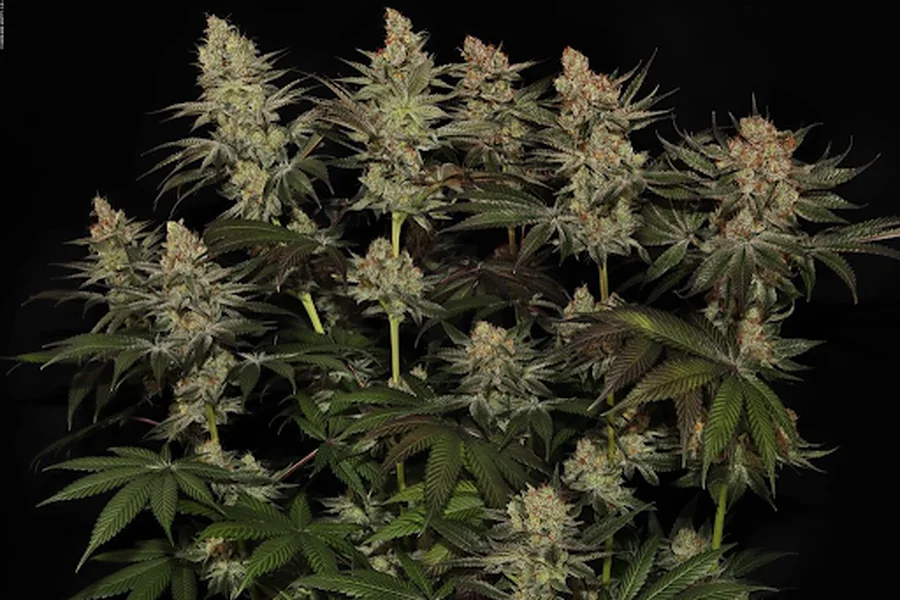
A strain description creates an expectation. If plants vary widely in stature, flowering time, aroma, or yield, even an exciting phenotype can leave growers disappointed. Modern lab tools help breeders screen and document their work, but careful selection still carries much of the load. The company’s history links a 2011 laboratory in San Sebastian with later outdoor selection work in South Africa, showing how controlled testing can support observation across larger plant populations.
Awards can introduce a strain to a broad audience, as Barney’s Farm found with Amnesia Haze, G13 Haze, Tangerine Dream, and Liberty Haze. Yet a competition result captures one sample at one moment. Repeat purchases, grow reports, and the continued use of a line in later crosses give a fuller picture of whether it holds up.
Keep the Story Specific
Heritage writing often slips into vague talk about passion and quality. Barney’s Farm has more useful material: India in 1982, a coffeeshop on Haarlemmerstraat in 1986, years of collecting across Asia, and a documented run of Cannabis Cup results. Those details make four decades easier to follow. They also make a catalog feel less anonymous.
Still, a long history cannot excuse stale service or confusing claims. Current shoppers can compare seed types, lineage, regional availability, and guarantees in minutes. Clear category pages, realistic descriptions, responsive support, and dependable delivery now shape a seed bank’s credibility alongside the plants themselves.
Forty Years Is a Habit
A seed bank stays relevant by repeating a demanding cycle: preserve what works, test what changes, listen to growers, and explain the result plainly. Barney’s Farm has lasted through shifts in law, taste, cultivation technology, and distribution. Its history suggests that longevity comes from treating each release as part of a living library, with enough discipline that a seed bought today still carries an identifiable connection to the breeding work that came before it.