
How Does a Plumber Find Hidden Leaks Before They Cause Damage?
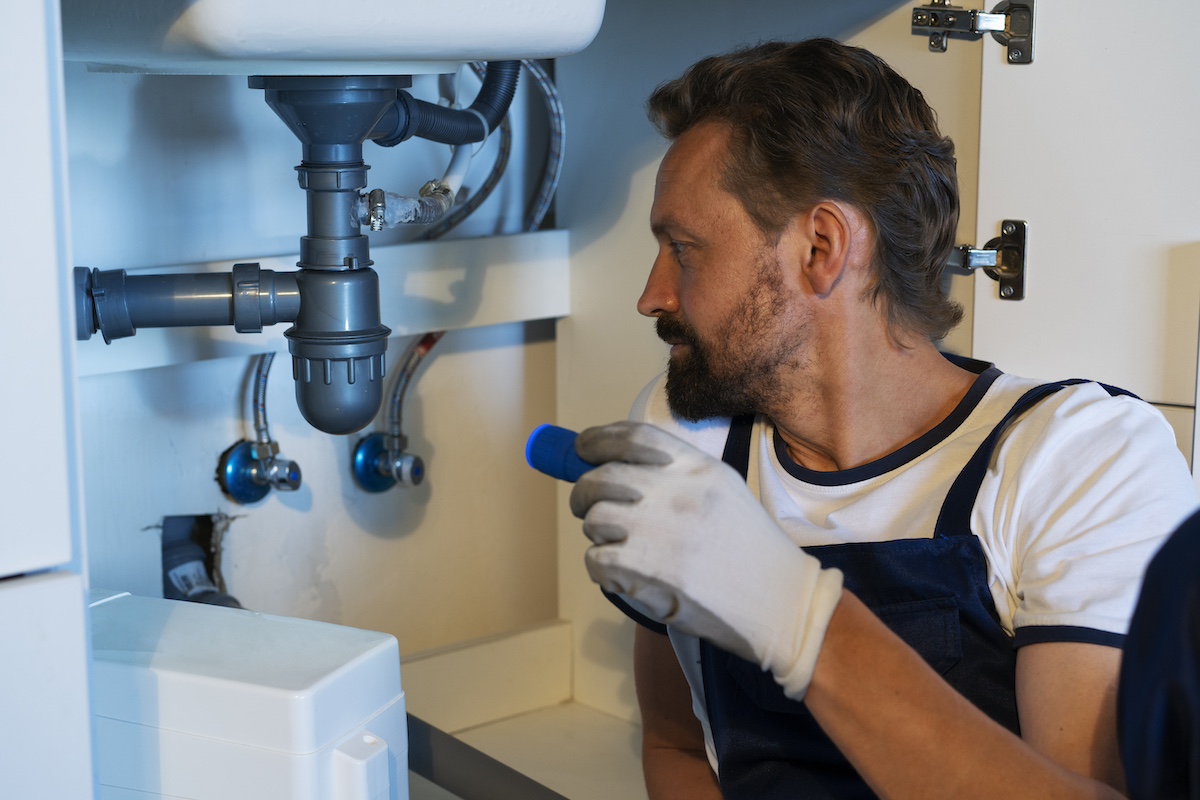
An undetected leak may take weeks or even months to be spotted and quietly seep into walls, floors, ceilings and cabinets. The problem may go undetected by many homeowners until they see signs of stains, bubbles, flooring lifts, or the water bill suddenly increases without an apparent cause. It is such a delay that makes hidden leaks so destructive. The water tends to flow behind finished surfaces where it is able to weaken the materials and promote the accumulation of moisture long before a drip develops. A plumber assists by trying to figure out the patterns, closely testing the plumbing system, and tracking the leak before further destruction can be caused by the leak through the rest of the home.
Why Hidden Leaks Are So Easy to Miss
1. How plumbers narrow it down
A plumber tends to begin with examining the hints already being discharged by the house. A distant musty odor, a warm spot upon the floor, peeling paint, bent trim, or an area of the wall which is rather damp, though not as wet as it will be. Stains of water are also important, but plumbers know that the visible stain does not necessarily lie right beneath the source. Water may flow through pipes, framing and other concealed routes until it eventually presents itself. This is why the pattern of asking when the problem occurs, whether the water meter continues moving when the fixtures are turned off, whether some rooms or fixtures seem to be related to the problem are used in the first pattern. A Portland Plumber or any careful contractor will usually compare those clues with the layout of the plumbing system. Therefore the search will be more targeted instead of becoming a waste of wall openings. The importance of this early stage is that often hidden leaks are only discovered by integrating small signs that individually do not make much sense but when combined together these signs are indicative of hidden leaks. This is not aimed at making guesses. It is to minimize ambiguity prior to higher level of work that is more invasive.
2. Testing Helps Locate the Leak More Accurately
The plumber then starts employing the testing techniques in order to establish the location of water escape. This often begins with some pressure testing or isolation of a drain line or a supply line, or a particular part of the system. The degree of dampness of the environment can be determined using the moisture meters. Meanwhile, get into nearby materials, and thermal imaging will be able to detect temperature variations due to undiscovered water movement behind walls or under floors. Acoustic listening devices may also serve to draw the attention to the sound of water escaping in the places where it is not supposed to be. These techniques are important since they enable the plumber to deal with more concrete evidence than to open up large spaces based on a mere suspicion. In piping slabs leakages or disguised pipe trails, this strategy can play a significant role in the extent of disruption that the repair may cause. A good plumber is not just attempting to locate water. They attempt to determine what type of leak is taking place, how active the leak is and whether the pattern of moisture appears to indicate a long term issue or a more recent one. This fact assists in the preparation of the repair plan and can help avoid the time wasted on the incorrect part of the house.
3. Confirmation Makes the Repair More Targeted
Once the leak path has been sufficiently identified to be able to fix it without creating more problems than are necessary, experience in routing of pipes, connection of the various fixtures, the behavior of the drains and the layout of the building becomes relevant. The plumber checks the running panels, traces the line to the back of the wall and opens a smaller test section then makes a larger cut in the repair. In other instances the problem ends up being not a broken pipe at all, but a failed seal, a loose connection, or a crack, or condensation, that has been mistakenly thought to be a broken pipe. That is yet another reason as to why confirmation matters. It helps to ensure that homeowners will not pay to have the fix which is wrong. It is virtually always less disruptive to go to an almost specific area of wall or flooring and make a repair based on the incomplete information at hand. After confirming that there has been a leak, the plumber can explain whether there is any issue that requires immediate drying, whether the nearby materials should be checked, or whether the rest of the plumbing system has any indication of such wear. Not only is it possible to stop water with hidden leaks, but also to make sure that the pot. They also have to do with ensuring that the goings-on that enabled the leak to go undetected is comprehended prior to the home being closed up again.
Early Detection Changes the Outcome
Hidden leaks are found out and the leak is fixed before doing more damages by combining the visible evidence, system test, moisture detect, and by closely confirming the actual route of the leak. That process will assist in transforming an indistinct problem into a focused repair plan rather than an disruptive guessing game. The faster the leak is detected, the more likely it is to prevent the damage of the paint, drywall, cabinets, flooring and framing. Undetected water issues will be more costly the longer it is never detected. The systematic approach of the plumber will minimize the risk as he/she will track the origin of the leak systematically and repair the correct area and help the homeowner respond in a manner that the leak that has occurred will be fixed before it gets out of hand and the issue turns out to be a lot bigger.