
How HVAC Contractors Evaluate Whether to Repair or Replace Your System
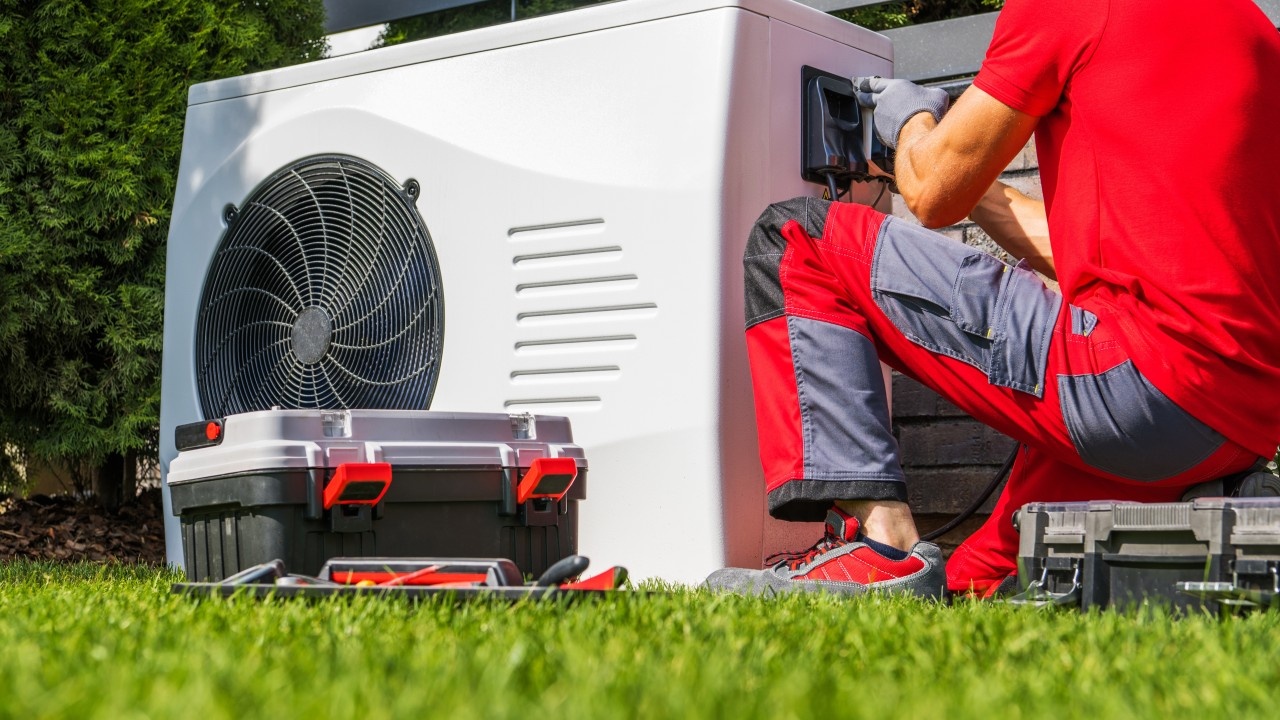
HVAC systems are a key component in ensuring interior comfort particularly in areas with variable temperatures. As these systems start developing some signs of wear, there is a problematic decision that has to be made once they have to repair the unit or replace the entire unit. This is not necessarily a straightforward decision as it entails considering cost, efficiency and long-term reliability. The contractors have a systematic evaluation process that helps them find the most feasible solution to each situation.
They can advise the homeowners to take a decision that is not only in line with the current requirements but also those of the future.
Understanding the Decision Process
1. System Age and Expected Lifespan
The age of the HVAC system is one of the initial aspects that contractors evaluate. The majority of heating and cooling systems are designed to run efficiently within a relatively short period of time usually between 10 and 20 years depending on the type of heating and cooling systems and its maintenance history. As systems approach or surpass this lifespan, the components of the systems start to wear out, and the frequency of breakdowns increases, accompanied by a decreased efficiency. Contractors check manufacturing date, service history and overall wear to see how much life left in the unit.
Sometimes, although a system may still be operable, its age by itself may render replacement a more reasonable choice, especially when more modern models may be able to perform better energy-wise. The older systems might also be based on older refrigerants that are more difficult to obtain, further complicating the decision on repair.
2. Repair Frequency and Cost.
The frequency with which the system needs a repair and the overall cost of the repair is another crucial consideration in the evaluation process. A unit that must be constantly monitored can easily turn into a financial burden, even when individual repairs may seem affordable at the outset. Contractors investigate repair history to determine trends, including frequent problems with compressors, fans, or electrical parts. Once the cost of repair starts to become a considerable percentage of the cost of a new system, replacement frequently becomes a more rational decision.
In these situations, an HVAC contractor may explain how continued spending on temporary fixes can outweigh the long-term benefits of installing a new unit. This perspective helps homeowners see beyond immediate expenses and consider the broader financial picture over time.
3. Energy Efficiency and Operating Costs
The consideration of energy efficiency is a key factor in deciding to repair or replace an HVAC system. Older models tend to use more electricity or fuel than modern models and may result in higher monthly utility bills. For commercial property owners, comparing commercial power rates by state can also help identify additional cost-saving opportunities alongside any efficiency upgrades. Contractors check efficiency ratings, including seasonal energy performance ratios and compare them with the existing standards. In case a system is much less efficient, even successful repair might not be worth the current operating expenses.
Replacement with a newer unit may lead to apparent savings in the long-term, particularly in those households where climate control is an important factor. Also, energy-saving systems frequently have features that contribute to increased comfort, including variable-speed motors and more effective temperature regulation, which makes them a more attractive option to be used in the long term.
4. Status of Major Components.
Another important factor is the physical state of major elements. The elements that are being inspected by the contractors include the compressor, heat exchanger, coils and duct connections to evaluate the level of wear or damage. When one of the parts has failed but the rest of the system is in good condition, repair might be necessary. Nevertheless, once several significant components started to demonstrate signs of degradation, it might be more feasible to replace the entire system.
This method also lessens the chances of a subsequent failure and guarantees a more reliable performance. Another thing that contractors look at is the availability of replacement parts which may be out of stock or no longer manufactured and as such, repairs are more complex and costly.
5. Indoor Comfort and Performance Issues
The level of comfort in the house gives a good clue as to whether the HVAC system is good or not. Hot spots, high humidity and stale air are the typical indications that a system is not functioning as intended. Contractors assess the degree to which the unit is capable of preserving similar conditions across rooms and the effectiveness with which it is able to respond to the settings of thermostats. When the performance problems still exist even after the last repairs, replacement can be a more guaranteed solution.
The modern systems have advanced technology that boosts comfort such as better air distribution and more accurate temperature control. By using replacement as a way of addressing these issues a considerable improvement can be made in the overall living environment.
6. Environmental and Safety Considerations
The issue of the environmental impact and safety is also an issue in the decision making process. The less sustainable and more costly to service older HVAC systems may be using a refrigerant that is being phased out due to environmental regulations, rendering them less sustainable and more costly to maintain. Contractors determine whether the system meets the existing standards and whether the further use of the system can cause any threat. The aspect of safety is especially relevant when it comes to heating systems since problems such as broken heat exchangers can result in unsafe environments, such as carbon monoxide leaks.
When this happens, replacement is usually advised to provide occupant safety. Both the environmental responsibility and the household safety of their clients are taken into consideration and, as a result, enable the homeowners to make a decision that is consistent with the modern expectations.
7. Investment and Long-Term Value
In addition to the short-term prices, contractors will take into account the long-term value of repairing or replacing HVAC system. A new installation is a higher initial investment, but may be more reliable and incur less operating costs over the long term. Contractors look at factors like warranty coverage, anticipated maintenance requirements and possible energy savings to find out the overall payback. Replacement can give peace of mind and financial security to homeowners who are planning to use their property over an extended period of time.
Conversely, when the system still has several years of useful life and the cost of repair is not high, then the extension of its use can be a viable possibility. This is a middle ground that assures decisions that are based on individual circumstances instead of a one-size-fits-all answer.
The choice of repair or replacement of an HVAC system will be carefully determined based on various factors, such as age, efficiency, history of repairs, and overall performance. The process by which contractors weigh these factors and come up with advice that would reflect the short term needs and long term goals is comprehensive.
They assist homeowners in making informed decisions by analyzing the state of the system and the impact that it has on comfort, cost, and safety. The desired outcome is the same, regardless of whether we make a repair or invest in a new unit: we want to be able to count on reliable functioning and to be able to spend a couple of years in a comfortable inside environment.