
Modern Wellness Is Becoming Intentional
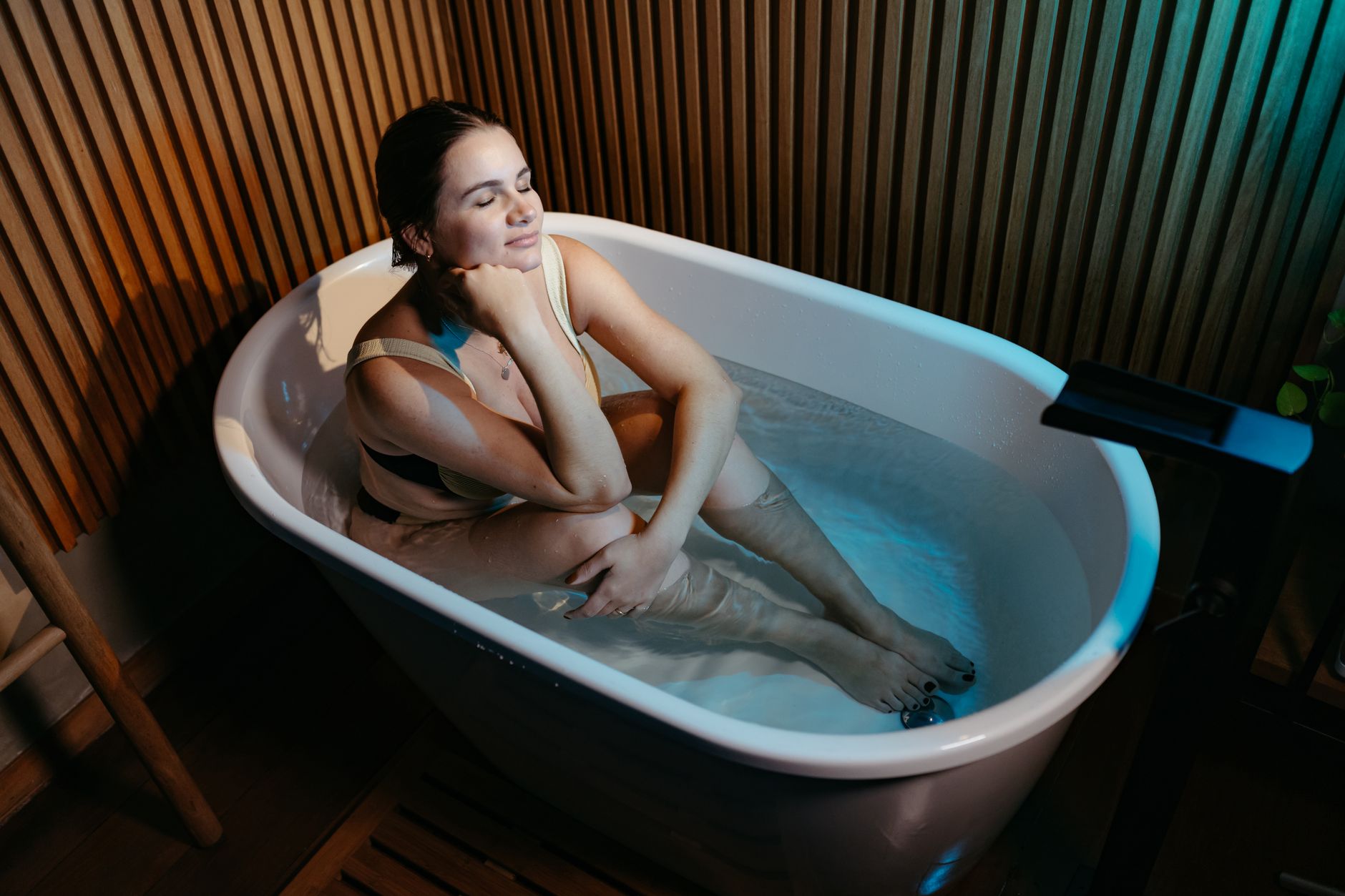
There is something quietly ironic about modern wellness. We have never had more information about how to look after ourselves, yet many of us still struggle to find the time to do it.
We track our sleep, count our steps, download meditation apps, experiment with new fitness routines, and follow endless advice about what we should be eating or avoiding. At the same time, our days remain filled with notifications, deadlines, commutes, social obligations, and the low-level pressure to always be available.
Perhaps this is why the idea of slowing down has become so appealing.
The latest conversation around wellness is less about chasing an ideal version of ourselves and more about creating small rituals that make everyday life feel calmer and more intentional. Instead of treating wellbeing as another achievement to unlock, people are beginning to see it as something that can be woven naturally into the rhythms of daily life.
That shift is changing the way we think about everything from our evening routines to the spaces we create at home.
The Problem With Always Being "On"
Modern life rarely provides a natural moment to switch off.
A working day might technically finish at five, but emails continue arriving. A journey home becomes an opportunity to scroll through social media. Even relaxing in bed can turn into another hour spent looking at a screen.
The result is that the mind rarely receives a clear signal that the day is over.
This constant state of stimulation can make genuine rest feel surprisingly difficult. When every quiet moment is filled with content, messages, or entertainment, simply sitting with our thoughts can begin to feel uncomfortable.
This is why creating boundaries has become such an important part of contemporary wellness.
It might mean leaving your phone outside the bedroom, refusing to check work emails after a certain hour, or creating a few minutes of quiet before going to sleep. These actions may seem insignificant, but they create something increasingly valuable: a deliberate pause.
The objective isn't to disconnect from modern life completely. It is to decide when you are available to it.
Wellness Is Moving Away From Perfection
For years, wellness culture often presented an image of perfection.
The perfect morning routine began before sunrise. The perfect kitchen contained carefully selected ingredients. The perfect lifestyle appeared to involve endless discipline, carefully measured habits, and an impressive ability to balance everything.
That version of wellness can be exhausting in itself.
A more realistic approach is beginning to emerge. People are increasingly interested in habits that feel sustainable rather than impressive. Instead of asking whether a routine looks good on social media, they are asking whether it genuinely makes them feel better.
That might mean taking a walk instead of completing an intense workout. It might mean going to bed earlier rather than squeezing another task into the evening. It might mean spending half an hour reading a book instead of trying to optimise every spare minute.
There is freedom in recognising that wellness doesn't have to be another form of productivity.
Sometimes, doing less is precisely the point.
The Return of the Personal Ritual
One reason simple wellness rituals have become so appealing is that they offer something modern life often lacks: repetition without pressure.
A ritual can be as simple as preparing tea in the evening, lighting a candle while reading, taking a bath after a long day, or spending a few quiet minutes writing in a journal.
Unlike a goal, a ritual doesn't necessarily have an endpoint.
You don't have to become better at it.
You simply return to it.
This distinction matters because it changes our relationship with self-care. Instead of seeing wellbeing as a project that requires constant improvement, rituals allow it to become part of everyday life.
The smallest habits can become powerful markers of time. A particular scent can signal that the working day is finished. A favourite piece of music can become associated with cooking dinner. A few minutes of quiet can create a mental boundary between the outside world and the sanctuary of home.
These moments may not look significant from the outside, but they can carry considerable personal meaning.
Why Scent Has Such a Powerful Place in Ritual
Among the senses, smell has a particularly interesting relationship with memory and emotion.
A familiar fragrance can transport someone back to a childhood home, a holiday, a particular season, or a person they haven't seen in years. This connection is one reason scent has played such an important role in cultural traditions around the world.
Today, people are rediscovering the value of scent as part of personal rituals and home environments.
For some, that means candles or incense. For others, it means experimenting with aromatherapy and botanical fragrances. An clary sage oil can be one option for adults interested in incorporating essential oils into a personal wellness ritual, whether through a suitable diffuser or another method recommended by the manufacturer.
Clary sage has a distinctive herbal, slightly earthy aroma that many people associate with relaxation and creating a calmer atmosphere. However, essential oils are highly concentrated substances and should be used responsibly. Following product guidance, using appropriate dilution, and considering the presence of children, pets, or anyone with specific sensitivities are all important considerations.
The appeal isn't necessarily about finding one magical ingredient.
It is about creating an environment that encourages the mind to slow down.
The Home Is Becoming a Place of Recovery
The idea of home has changed considerably in recent years.
For many people, it is no longer simply the place where they eat and sleep. It has become an office, gym, cinema, restaurant, social space, and retreat—all at once.
This has made the design of our personal environments more important.
A home doesn't need to be expensive or perfectly styled to feel restorative. What matters is how the space makes you feel.
Natural textures, comfortable furniture, warm lighting, plants, photographs, and objects with personal meaning can all contribute to a sense of belonging. The most calming spaces are often not the most minimalist ones but those that feel genuinely connected to the people who live there.
Creating a restorative home can also mean identifying what needs to be removed.
Perhaps the television doesn't need to be on all evening. Perhaps the phone can be left in another room. Perhaps the dining table can become a place for conversation rather than another surface for laptops and paperwork.
Sometimes, creating calm is less about adding something new and more about removing what doesn't belong.
The Importance of Being Present
Mindfulness has become a popular word, but its underlying idea is remarkably simple: pay attention to where you are.
This can be difficult in a culture built around distraction.
We often eat while watching something, walk while listening to podcasts, and sit with friends while checking our phones. Even our leisure time can become divided between multiple forms of stimulation.
Being present doesn't require abandoning technology or living without entertainment.
It simply means occasionally choosing to give one thing your full attention.
Drink the coffee without scrolling.
Take the walk without checking notifications.
Listen to someone without preparing your response.
Watch the sunset without photographing it immediately.
These moments can feel strangely unfamiliar at first. But they also remind us that not every experience needs to be documented, shared, or optimised.
Some moments can simply be lived.
The New Luxury Is Time
Luxury has traditionally been associated with expensive objects, exclusive experiences, and rare materials.
But increasingly, the things people seem to value most are much harder to buy.
Time.
Privacy.
Silence.
Rest.
The ability to be unreachable for an afternoon.
As work becomes increasingly connected to technology and social media creates a constant pressure to remain visible, uninterrupted time is becoming a form of luxury in its own right.
This may explain why simple rituals are gaining popularity. They offer a way to reclaim small pieces of time that would otherwise disappear.
A twenty-minute evening walk won't solve every problem. Neither will a relaxing bath or a few minutes spent enjoying a favourite scent.
But these moments create space.
And sometimes, space is exactly what we need.
Wellness Doesn't Have to Be Complicated
The wellness industry can make self-care appear complicated. There are always new trends to follow, new products to try, and new routines promising to transform everyday life.
But the most sustainable approach is often the simplest.
Get enough sleep.
Move your body.
Spend time outside.
Eat nourishing food.
Talk to people you care about.
Take breaks.
Find something you enjoy doing simply because you enjoy it.
Create a home where you feel comfortable.
The details will look different for everyone.
What matters is finding a rhythm that feels realistic rather than creating another list of expectations to meet.
A More Personal Future for Wellness
Perhaps the most interesting development in modern wellness is the move toward personalisation.
People are becoming less interested in copying someone else's routine and more interested in understanding what genuinely works for them.
For one person, that might mean running before breakfast. For another, it might mean a slow morning with music and coffee. Someone may find meditation transformative, while someone else finds the same sense of calm through gardening, cooking, reading, or spending time with friends.
There is no single formula.
The future of wellness may therefore be less about universal rules and more about personal rituals.
Instead of asking, "What should I be doing?" the better question might be, "What helps me feel more like myself?"
That shift changes everything.
Final Thoughts
The modern wellness movement may ultimately be heading toward something much simpler than the industry initially promised.
Not perfection.
Not endless optimisation.
Not another demanding routine.
Instead, it may be about learning how to create small moments of calm within lives that will inevitably remain busy.
A quiet morning. A walk without a phone. A room filled with natural light. A familiar fragrance that marks the beginning of an evening. A conversation that isn't interrupted by notifications.
None of these things are revolutionary on their own.
But together, they can change the texture of everyday life.
In a culture that constantly encourages us to move faster, perhaps the most meaningful act of self-care is learning when to slow down. The real luxury may not be having more things or doing more activities, but having the awareness to recognise the moments that already make life feel good—and giving ourselves permission to stay in them a little longer.