
Moving Past the Still: How Indie Artists Are Engineering Cinematic Motion on Bedroom Budgets
In an era where audio streaming platforms demand motion loops before a single chord is heard, independent musicians face an uphill battle. The visual standard has escalated dramatically: Spotify Canvas loops, vertical video teasers, and looping press banners are no longer optional promotional extras. They represent the primary packaging of modern music culture.
Yet the financial reality for emerging talent remains unchanged. Booking high-frame-rate cinema cameras, lighting crews, and post-production colorists for a three-second promotional loop can drain an entire EP rollout budget. Faced with this asymmetry, forward-thinking indie creators and boutique art directors are turning to computational creativity, rewriting the rules of visual release strategies.
Visual identity once meant securing one definitive press photograph. An artist worked with a trusted photographer, selected three hero shots, and distributed them across editorial channels for an eighteen-month album cycle.
Today, algorithmic distribution treats static assets with indifference. Audiences consume motion; social feeds actively depress non-moving imagery in favor of vertical video. When an artist drops a new single, they do not just need artwork—they need twelve distinct micro-visuals across six release windows: the cryptic pre-save teaser, the lyric snippet, the day-of-release celebration, and the recurring performance loop.
Producing this sheer volume through traditional live-action shoots is unsustainable. The emerging solution is not compromising artistic vision, but repurposing existing high-resolution stills into dynamic assets.
Transforming Editorial Photography into Living Artifacts
The breakthrough lies in depth estimation and subtle kinetic synthesis. Rather than settling for primitive panning and digital zoom (“Ken Burns” effects that immediately read as amateur), musicians now reconstruct their visual universe around single, high-impact captures.
A moody film photograph shot under harsh ambient lights holds immense tonal character. By introducing microscopic displacement across the subject’s posture, shifting ambient shadow weight, or simulating organic focal drift, that frozen instant takes on deliberate cinematic weight.
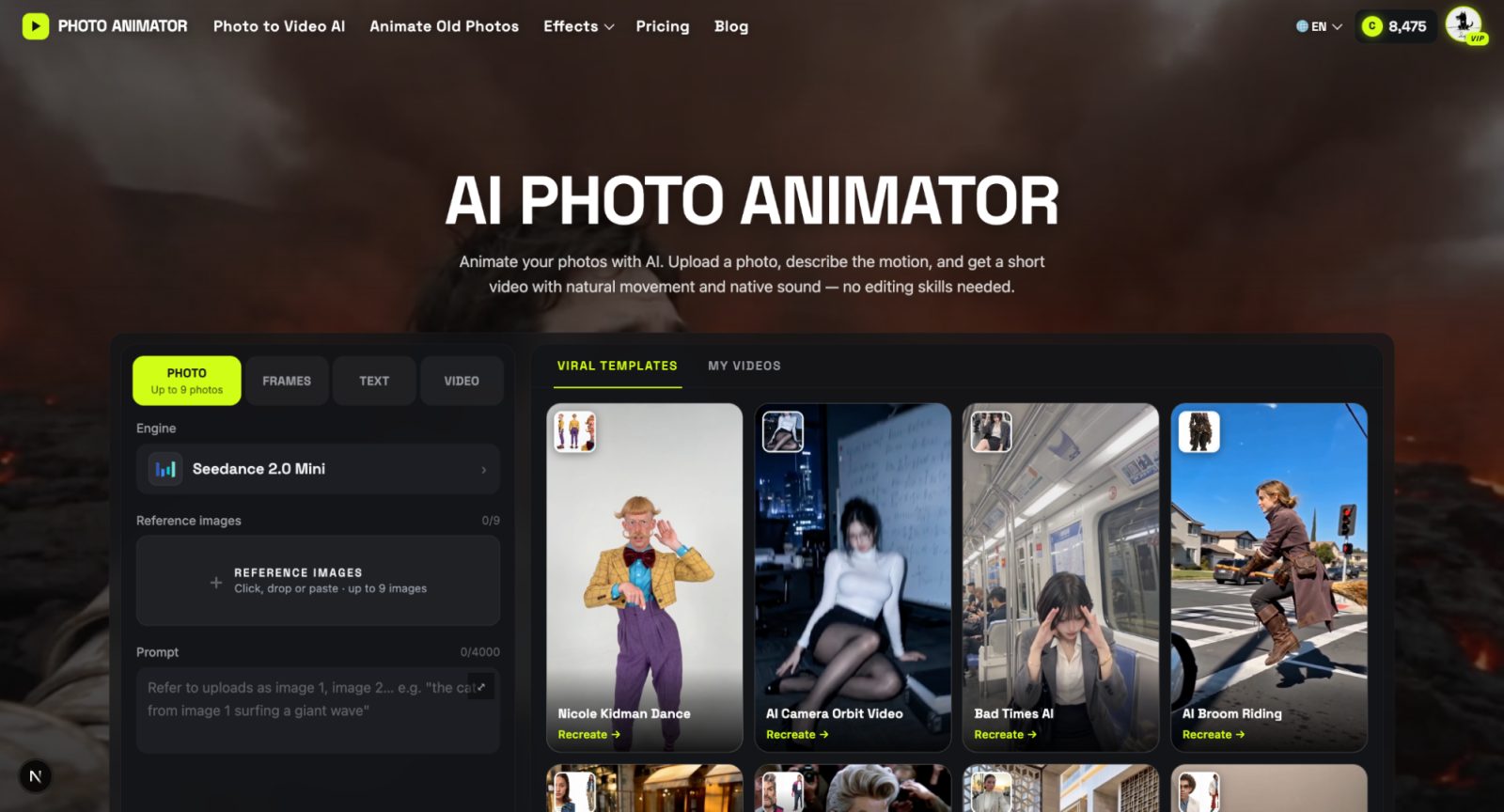
Solo creators often integrate a dedicated photo-to-video generator directly into their production pipeline, converting single press stills into seamless motion assets that preserve grain, texture, and emotional nuance without rendering unnatural motion artifacts.
Curating Mood Through Intentional Motion
Technical fluidity alone does not guarantee artistic credibility. An audience drawn to shoegaze, dark wave, or minimalist ambient will immediately reject over-animated, cartoonish kinetics. The motion must mirror the acoustic texture of the record.
Savvy visual designers establish distinct motion design parameters before generating promotional deliverables:
- Rhythmic Cadence: Align frame displacement velocity to the track’s tempo. Slow-burn ambient works best with lingering, imperceptible drift; hyper-pop requires sharp, jarring reframes.
- Atmospheric Particle Decay: Introduce environmental turbulence—floating dust, analog lens aberration, or haze—around the static subject. Exploring an established library of creative animation effects gives artists the latitude to test whether light leak bleeds or subtle chromatic distortion best matches their soundscapes.
- Loop Consistency: Ensure the first and terminal frames match flawlessly. A visible seam on a Spotify Canvas destroys listener immersion instantly.
The Democratized Future of Music Rollouts
Visual storytelling in the underground music space has never been about limitless resources; it has always been about resourcefulness. Just as four-track tape machines once unlocked bedroom indie pop, modern visual synthesis tools now level the aesthetic playing field.
By transforming flat photography into tactile, evocative motion assets, artists can sustain complex visual campaigns throughout an album lifecycle. The traditional barrier of entry has collapsed—leaving singular artistic vision as the only currency that truly matters.