
Securing the Next Wave of Smart Logistics Operations
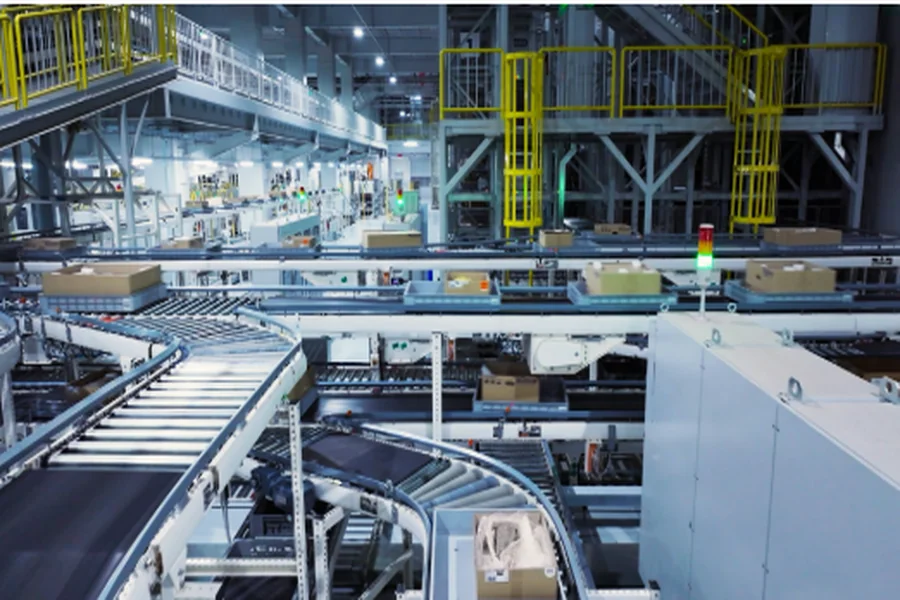
Smart logistics now looks less like clipboards and more like a sci-fi movie with forklifts. Warehouse automation grows fast: one market estimate places the global warehouse automation market at USD 29.98 billion in 2025 and projects USD 65.74 billion by 2031.
That growth brings speed and accuracy, but also brings cyber risk, because every scanner, robot, API, and dashboard adds a new door.
Smart Logistics Needs Smart Security
Modern logistics teams use sensors, mobile robots, warehouse software, route tools, cloud platforms, and partner portals. That stack can cut delays and help teams act before chaos puts on a hard hat. It also creates a larger attack surface.
The next wave of autonomous warehouse robots can help teams move goods with more speed and precision, but security must sit beside efficiency from day one. A robot with weak access control can create real damage.
So can a vendor account with too many permissions. Smart logistics does not need fear. It needs discipline, clear rules, and fewer passwords stuck to monitors. Please, let the sticky notes retire.
Start With a Full Asset Inventory
You cannot protect what nobody knows exists. That sounds obvious, yet many logistics sites still rely on mystery devices that “have always been there.”
Create a full asset list. Include device type, owner, location, software version, network segment, vendor, and update status. Add every API and cloud tool too. Treat shadow tech like a raccoon in the ceiling: cute from afar, expensive up close.
Once the team sees the full map, it can rank the risk. A robot controller deserves more attention than a breakroom tablet. Both still belong on the list.
Control Access Like It Matters
Many breaches start with stolen or abused credentials. Logistics teams often work across shifts, sites, vendors, and temporary labor. That reality can make access control messy fast.
Use multi-factor authentication for admin accounts, remote access, cloud dashboards, and vendor portals. Give each user the least access needed for the job. Remove access fast when roles change. Shared accounts should not run critical systems.
Privileged access needs extra care. Admin rights should expire, require approval, and leave logs. Vendor access should use time limits and a clear scope.
Just as digital operations require strict mapping to prevent vulnerabilities, safeguarding physical and corporate holdings demands equal diligence. Businesses managing complex supply chains often expand their risk strategy to include comprehensive legal frameworks that secure company holdings from external liabilities. Organizations can discover more about structuring entity protections to shield structural investments and preserve long-term operational resilience against unforeseen disruptions.
Protect APIs and Data Flows
Smart logistics depends on data: orders, stock levels, routes, invoices, customer details, customs data, carrier status, and machine signals. APIs move much of that data between warehouse management systems, transport platforms, ERP tools, marketplaces, and partners.
Treat APIs as front doors. Use authentication, rate limits, encryption, input checks, and logging. Remove old API keys. Rotate secrets. Watch for strange traffic patterns.
Data should also follow a clear classification model. Not every dataset needs the same level of protection, but customer records, pricing, routes, and shipment details deserve strong controls.
API security issues can leak more than data. It can trigger wrong stock counts, false shipment status, or route changes. That turns cyber risk into operational comedy. The bad kind.
Secure Robots and IoT Devices
Robots and IoT devices need the same security respect as servers. They run software, connect to networks, collect data, and accept commands. That means they need hardening.
Change default passwords. Disable unused services. Use secure configuration baselines. Keep firmware current. Encrypt communication where possible. Verify device identity before it joins the network.
Safety also matters. Cybersecurity and physical safety now overlap. A compromised device could stop a conveyor, block an aisle, or disrupt route logic. The goal goes beyond data protection. It includes uptime, worker safety, and smooth flow.
A robot should pick, move, scan, and report. It should not moonlight as an open door for attackers.
Prepare for Downtime Before It Happens
Even strong defenses cannot promise perfect safety. A smart logistics operation needs resilience.
Create an incident response plan for warehouse and transport scenarios. Include cyber, operations, legal, communications, vendors, and site managers. Define who can shut down systems, who contacts vendors, and who talks to customers.
Backups matter. Test them. Store copies away from the main network. Include warehouse databases, route data, configuration files, robot maps, and key documents.
Also prepare manual fallbacks. Can the team ship critical orders if the main system fails? Can it print labels from a backup process? Can it verify stock without the usual dashboard?
A clipboard may feel ancient, but in a crisis it can become a tiny superhero.
Train People Without Boring Them Into Dust
People remain central to warehouse security. Drivers, warehouse staff, supervisors, IT teams, and customer service reps all see different risks.
Training should match real work. Teach staff how to spot phishing, fake delivery requests, suspicious QR codes, strange device behavior, and social engineering calls. Use short sessions, clear examples, and simple reporting paths.
Avoid blame. A good security culture rewards quick reports. If someone clicks a bad link and reports it fast, the team gains time. Shame only drives silence.
Cybersecurity works best when it feels like part of the job, not a lecture from a haunted PowerPoint deck.
Use AI Carefully, Not Magically
AI can help smart logistics teams detect anomalies, predict disruptions, optimize routes, and spot fraud. It can also introduce risk. Bad data can lead to bad decisions. Poor access control can expose sensitive shipment details. Unchecked automation can act too fast.
Set rules for AI tools. Define approved use cases. Protect training data. Review outputs before high-impact actions. Log decisions. Keep humans in control for exceptions, safety issues, and customer-impact events.
AI should assist the team, not replace judgment. Think of it as a sharp warehouse knife: useful, fast, and absolutely not something to swing around blindly.
Conclusion
The next wave of smart logistics will use more robots, sensors, AI tools, cloud platforms, and partner data. That future can deliver faster orders, cleaner inventory, better forecasts, and fewer frantic calls that start with “Where is truck 42?”
Security must travel with that progress. Start with asset visibility. Segment networks. Control access. Patch systems. Watch vendors. Train people. Test recovery plans.
A secure logistics operation does not fear automation. It earns the right to scale it.