
Sunday Roast Culture: A British Tradition Common in Today’s Family Lifestyle
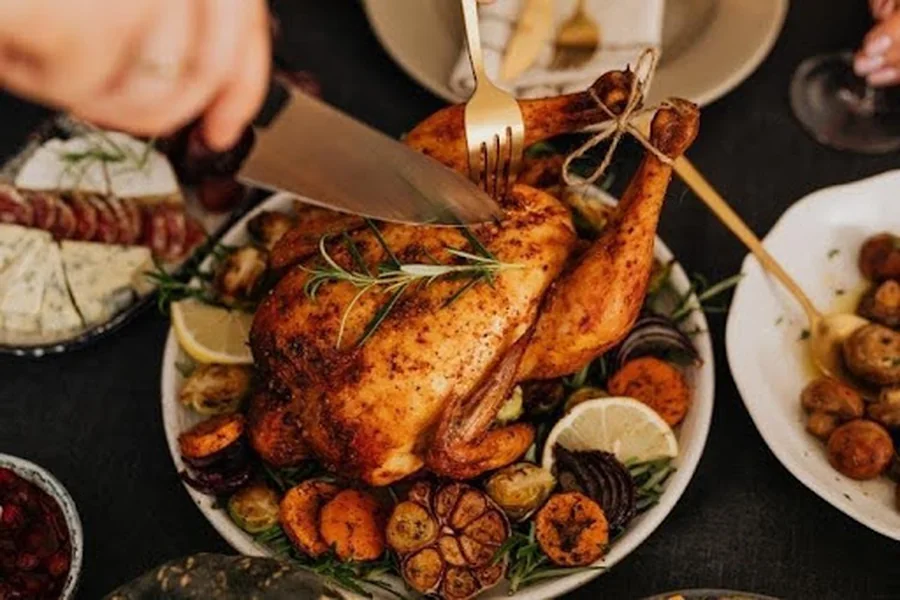
Few meals carry the same emotional weight in Britain as the Sunday roast. For generations, families have gathered around the table to share roasted meat, crisp potatoes, seasonal vegetables, and rich gravy. Yet today’s Sunday roast is about more than preserving tradition. It has become a reflection of personal values, food choices, and the desire to reconnect with slower, more meaningful ways of eating.
While the foundations remain familiar, modern home cooks are reshaping this iconic meal to suit changing lifestyles without losing the sense of comfort that has always made it special.
Why the Sunday Roast Still Matters
The Sunday roast has always been more than a meal. It creates a dedicated moment in the week to pause, cook with care, and spend time together. In an era where quick dinners and takeaway meals often dominate, preparing a roast encourages people to slow down and enjoy the process.
Today’s households may look different from those of previous generations, but the appeal remains remarkably consistent. Friends gather instead of extended families, couples create new traditions of their own, and many people see Sunday cooking as a welcome break from busy schedules.
As food choices become increasingly personal, people are also paying closer attention to where their ingredients come from. For many home cooks, selecting thoughtfully sourced meat has become part of the ritual rather than simply another shopping decision.
Quality Ingredients Set the Foundation
A memorable roast begins long before the oven is switched on. The quality of the meat largely determines the final result, making careful ingredient selection one of the most important decisions.
Rather than relying solely on price or convenience, many cooks now look for suppliers that prioritise carefully produced meat and transparent sourcing. The Organic Butchery is one example of a specialist retailer that focuses on high-quality organic meat for home cooking.
When planning a traditional roast, browse their selection at organicbutchery.co.uk for cuts suited to slow roasting while keeping ingredient quality at the centre of the meal. While choosing excellent ingredients doesn’t replace good cooking technique, it provides a stronger starting point and allows the natural flavour of the meat to shine.
Small Cooking Decisions Make a Big Difference
Many people assume a perfect roast depends on complicated recipes. In reality, consistency comes from getting the basics right.
Allowing meat to reach room temperature before cooking helps it roast more evenly. Simple seasoning with salt, pepper, and complementary herbs often produces better results than overwhelming the meat with numerous spices.
Equally important is using a meat thermometer rather than relying on guesswork. It helps avoid overcooking while delivering the texture and tenderness each cut deserves.
Resting the meat after cooking is another frequently overlooked step. Allowing it to rest before carving helps the juices redistribute, resulting in slices that stay moist instead of drying out on the plate. These straightforward habits often have a greater impact than any secret ingredient.
Modern Roasts Reflect Modern Identities
One reason the Sunday roast continues to thrive is its flexibility. While tradition remains important, people increasingly personalise the meal to reflect their tastes, cultural influences, and lifestyles.
Classic British vegetables may share the table with roasted Mediterranean vegetables, homemade chimichurri, or seasonal salads. Some households favour heritage potato varieties, while others experiment with colourful root vegetables or locally grown produce.
Even presentation has evolved. Informal sharing platters, smaller gatherings, and outdoor Sunday lunches have become just as common as formal dining tables. The meal remains recognisably British, yet every family gives it its own character.
Sustainability Has Become Part of the Conversation
Food choices increasingly reflect broader conversations about sustainability, waste, and mindful consumption. The Sunday roast naturally lends itself to these values because it encourages planning and making the most of every ingredient.
Leftover meat often becomes sandwiches, soups, pies, or weekday pasta dishes. Roasted vegetables can be transformed into salads or frittatas, while homemade stock gives a second life to bones and vegetable trimmings.
This practical approach reflects a mindset that values thoughtful cooking over unnecessary waste. It also reinforces why many people spend time selecting quality ingredients from suppliers such as The Organic Butchery instead of viewing meat as an everyday convenience purchase.
Preparing one carefully planned roast can provide several satisfying meals throughout the week.
Tradition Thrives Because It Evolves
Some traditions disappear because they resist change. The Sunday roast has endured because it welcomes it.
Every generation brings new ideas to the table while preserving the elements that matter most: gathering together, preparing food with care, and sharing a meal without rushing. Whether someone follows recipes handed down through family members or develops their own approach, the experience remains rooted in connection rather than perfection.
A successful roast is not measured by elaborate presentation or complicated techniques. It comes from balancing quality ingredients with thoughtful preparation and creating an atmosphere where people genuinely enjoy spending time together.
Final Thoughts
The modern Sunday roast proves that traditions do not have to remain frozen in time to stay meaningful. As British food culture continues to evolve, this much-loved meal reflects changing priorities around quality, sustainability, identity, and shared experiences without losing its familiar sense of comfort.
By focusing on good ingredients, careful cooking, and the people gathered around the table, anyone can create a Sunday roast that honours tradition while making it uniquely their own.