
Targeting Knee Osteoarthritis in Athletic Adults: Clinical Factors in Selecting Hyaluronic Acid Injections
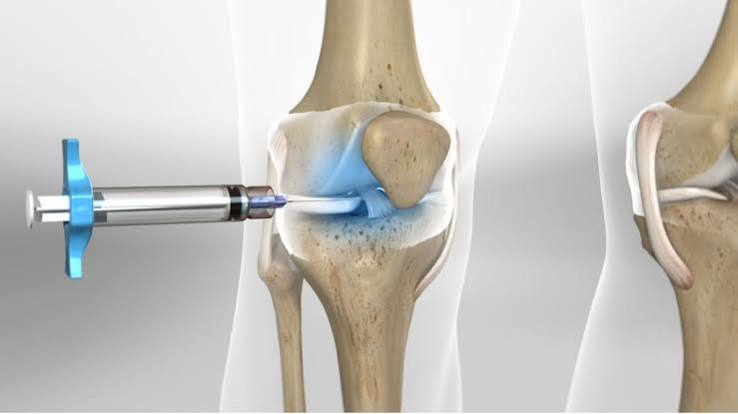
High-impact athletes and active middle-aged adults present a distinct clinical profile when managing symptomatic knee osteoarthritis. Unlike sedentary populations where pain relief during low-demand daily activities constitutes the primary therapeutic milestone, athletic individuals typically demand functional restoration that accommodates axial loading, rotational torque, and extended joint cycle counts. Conservative management protocols often reach a bottleneck when oral nonsteroidal anti-inflammatory drugs (NSAIDs) yield diminishing returns or present gastrointestinal risks under long-term use. When physical therapy alone fails to preserve functional capacity, viscosupplementation using exogenous hyaluronic acid (HA) serves as an intermediate intervention before surgical options are considered.
Selecting the appropriate HA formulation requires evaluating molecular weight, cross-linking properties, origin, and dosing schedules against the patient's immediate performance goals.
Rheological Dynamics and Joint Mechanics in Active Patients
Endogenous hyaluronic acid in healthy synovial fluid acts as a dynamic lubricant during low-shear movements and an elastomeric shock absorber during high-impact loading. In a normal knee joint, HA molecules form a complex macromolecular network that maintains high viscosity at low shear rates, such as slow walking, and transitions to lower viscosity with high elasticity during rapid shear events like running or jumping. Knee osteoarthritis disrupts this physiological balance through inflammatory degradation and reduced synthesis by synoviocytes. The concentration and average molecular weight of native HA drop precipitously, compromising the fluid's viscoelastic protection and exposing articular cartilage to accelerated mechanical wear.
When evaluating viscosupplements, molecular weight represents a core mechanical variable. High molecular weight (HMW) formulations, typically defined as those exceeding 3 million Daltons, aim to replicate the rheological behavior of healthy synovial fluid more closely than low molecular weight alternatives. Preclinical data synthesized in reviews by the Osteoarthritis Research Society International (OARSI) demonstrate that higher molecular weight HA constructs exhibit greater resistance to enzymatic degradation by hyaluronidases within inflamed joint capsules.
|
Parameter |
Avian-Derived (Cross-Linked) |
Biofermented (Non-Cross-Linked) |
|
Source Origin |
Rooster combs |
Bacterial fermentation |
|
Immunogenic Risk |
Higher risk of avian allergy |
Lower allergenicity profile |
|
Pseudoseptic Reaction Risk |
Elevated post-injection flare |
Minimal post-injection flare |
|
Typical Dosing |
Single or multi-injection |
Multi-injection (e.g., 3-week) |
|
Molecular Structure |
Chemically modified cross-links |
Native-structure polymers |
For active patients undergoing high ground-reaction forces, the retention time of the intra-articular gel within the joint space directly correlates with the duration of mechanical cushioning provided during training cycles.
Sourcing, Biocompatibility, and Viscosupplement Selection
The origin of the hyaluronic acid polymer introduces clinical considerations regarding local tissue tolerance and adverse event profiles. Viscosupplements are manufactured either through the extraction and purification of avian tissue—specifically rooster combs—or through bacterial fermentation using Streptococcus strains. Avian-derived products frequently undergo chemical cross-linking to artificially elevate their molecular weight and extend joint residence time. However, chemical cross-linking agents and trace avian proteins can trigger localized inflammatory reactions.
Pseudoseptic reactions, characterized by severe joint effusion, warmth, and pain within 24 to 72 hours post-injection, occur more frequently with heavily cross-linked or avian-sourced gels. In an athletic patient, an acute post-injection flare delays rehabilitation schedules and can mimic septic arthritis, necessitating diagnostic arthrocentesis to rule out infection. Non-cross-linked formulations produced via bacterial fermentation—or more precisely, purer microbial polymers—provide a high molecular weight profile without introducing avian antigens, thereby minimizing the probability of immunogenic flares.
Clinicians evaluating treatment pathways for active individuals must balance the logistical convenience of single-injection regimens against the immunological and rheological profile of multi-injection series. High-molecular-weight, non-cross-linked options derived from biofermentation are frequently selected for patients with known hypersensitivities or those requiring a predictable recovery window without inflammatory interruptions. Practices managing inventory for viscosupplementation procedures frequently order through specialized medical supply channels; for instance, clinics seeking non-cross-linked, biofermented formulations can buy Euflexxa from a medical supplier to review product specifications, pack sizes, and storage protocols necessary for maintaining supply chain integrity.
Following product acquisition, proper cold-chain maintenance and administration technique remain critical factors in preventing injection-site morbidity and ensuring consistent gel viscosity upon delivery.
Clinical Evidence, Guidelines, and Practice Variability
The clinical utility of viscosupplementation remains a subject of ongoing discussion among orthopedic bodies, largely due to variations in trial design, patient stratification, and endpoint metrics. The American Academy of Orthopaedic Surgeons (AAOS) Clinical Practice Guidelines for the Management of Osteoarthritis of the Knee provide a cautious assessment, citing inconsistent effect sizes across heterogenous patient cohorts in broad meta-analyses. Conversely, real-world registry data and guidance from the American College of Rheumatology (ACR) acknowledge that specific sub-populations—particularly younger, active patients with mild-to-moderate (Kellgren-Lawrence Grade II or III) joint space narrowing—frequently experience clinically meaningful pain reduction and functional preservation.
The discrepancy between broad guideline recommendations and clinical utilization often stems from how outcomes are measured. Standard clinical trials rely heavily on resting pain scores, whereas athletic patients evaluate success by their ability to complete a 10-kilometer run, perform squatting movements, or participate in recreational sports without subsequent joint effusion.
Key Patient Selection Criteria for Viscosupplementation:
- Radiographic Severity: Kellgren-Lawrence Grade II or III (preserved joint space).
- Functional Status: Mild-to-moderate functional impairment with high activity demands.
- NSAID Tolerance: Inadequate response or gastrointestinal intolerance to chronic oral NSAIDs.
- Joint State: Absence of massive active effusion prior to injection (effusion must be aspirated first).
- Surgical Timeline: Desiring to delay total knee arthroplasty (TKA) while maintaining physical conditioning.
When intra-articular HA is administered to an appropriately selected candidate, the therapeutic effect typically peaks between 4 and 12 weeks post-injection, with benefits persisting up to 26 weeks. The mechanism extends beyond simple physical lubrication; exogenous HA interacts with CD44 receptors on synoviocytes, downregulating the expression of pro-inflammatory cytokines such as interleukin-1 beta (IL-1β) and matrix metalloproteinases (MMPs) that drive cartilage breakdown.
Protocol Limitations, Safety Boundaries, and Contraindications
Viscosupplementation is not a regenerative therapy and does not reverse structural cartilage loss or restore eroded subchondral bone. Expecting an intra-articular injection to rebuild hyaline cartilage in a Kellgren-Lawrence Grade IV joint leads to premature treatment failure and unnecessary financial expenditure. Advanced osteoarthritis with bone-on-bone contact, severe angular deformities, or joint instability represents a primary limitation where viscosupplementation yields negligible clinical benefit.
Absolute contraindications include active skin infections at the injection site, known hypersensitivity to the specific HA compound or its bacterial vectors, and active joint infections. Relative contraindications involve severe bleeding disorders or concurrent anticoagulant therapy, where intra-articular needle placement risks hemarthrosis.
Complications, while generally mild and self-limiting, require clear pre-procedure counseling. Common adverse events include:
- Temporary pain or mild swelling at the injection site lasting 24 to 48 hours.
- Transient joint warmth without systemic fever.
- Localized cutaneous reaction or ecchymosis secondary to needle insertion.
- Rare pseudoseptic inflammatory reactions requiring clinical evaluation and fluid analysis.
Post-injection protocols for active individuals mandate relative rest. Patients must avoid high-impact activities, heavy resistance training, or prolonged weight-bearing exercise for at least 48 hours following administration. This 48-hour pause gives the gel time to distribute without facing immediate mechanical sheer forces that could force fluid through the capsular puncture site into surrounding soft tissue.
Viscosupplementation serves as an intermediate, joint-preserving tool within a broader management strategy that includes neuromuscular training, load management, and biomechanical corrections. Proper candidate selection based on radiographic staging and activity demands remains the decisive factor in achieving predictable functional outcomes, ensuring patients do not return to full-field running drills until post-procedural soreness completely resolves.