
The Fresh Runway Styles Dominating the Fashion Landscape in 2026
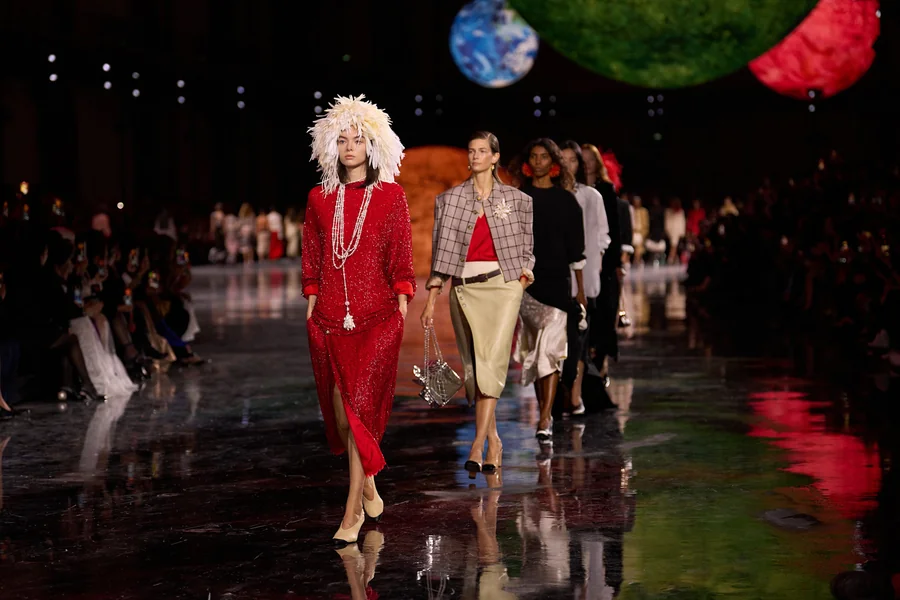
We observe that the global fashion ecosystem has long broken free from the rigid limits of the quiet luxury aesthetic that was standardized in previous years. It has entered a stage of full recovery, and is now embracing a new wave of high-expression styles brimming with a strong sense of power. The upcoming editorial from Equate Magazine also corroborates this trend, putting forward that the core function of modern clothing is to communicate an individual’s personal stance.
When updating their wardrobes, contemporary consumers balance structured tailoring with soft retro elements, drawing inspiration from dynamic subcultures.
Their way of tracking fashion trends is as immediate as that of sports fans who follow the latest frontiers of sports in real time via the ufabet เว็บตรง direct connection platform. This new style system can be seamlessly adapted for workplace settings and high-end galas, helping wearers stand out. In the subsequent sections of this article, we will unpack the five core design trends of this year, to provide readers with practical inspiration to refresh their wardrobes.
1. Soft Power Tailoring takes Center Stage
The once stiff, rigid traditional corporate formal wear has long been completely outdated. This season’s fashion industry has launched a new mainstream workplace fashion trend centered on soft, flexible tailoring. Unlike the baggy oversized silhouettes of previous seasons that concealed the wearer’s body shape, this new collection focuses on sharp waist cinching, smooth and confident lines, and rounded shoulder seams. It traces its origins to the top-heavy, bottom-light oval silhouettes of the late 1980s, while incorporating modern fluid modifications.
The refined blazers and structured tops can transition directly from the office to a private dinner, with no need for a full outfit change.
2. Parallel Moods of Romance: Light and Dark
The romantic design segment in today’s fashion industry is undergoing a healthy divergence, carving out two clear stylistic paths for enthusiasts. The first is an ultra-feminine, refined route centered on oversized lapels, layered ruffled skirts, and optic white lace trims; the second is the dark-mood “Ghost Cabaret” aesthetic, featuring deconstructed tulle, dark berry tones, and delicate boudoir-style trims.
Both styles require the volume and dynamism of fluid silhouettes, and this trend has also spurred the revival of bold prints including polka dots, plaid, and Prince of Wales check across all apparel categories.
3. The Dramatic Return of Fringes and Tactile Tassels
This season, the fashion industry has designated “fluidity” as a top-tier luxury trend, and tactile fringes and tassels serve as the core vehicles for this trend.
These draped details have appeared across major spring-summer fashion runways, and can quickly infuse basic apparel pieces with a distinct style, breaking the long-held assumption that fringes and tassels can only be used to create bohemian aesthetics.
Contemporary designers now apply an architectural, purpose-driven approach to integrating fringes and tassels, with examples including structured shirts paired with fringes made from crushed recycled glass, and tweed blazers with heavy beaded tassels trimming their hems.
Mainstream consumers who find fully fringed dresses too exaggerated can engage with the trend through small accessories such as mini fringe clutch bags and textured draped drop earrings.
4. Breezy Balloon Pants and Roomy Trousers
The global fashion industry is gradually moving past the trend of restrictive skinny jeans, and loose-fitting trousers have become the top choice for comfortable, low-effort everyday wear. Balloon pants, which have capitalized on the ongoing vintage fashion revival, are this season’s core must-have item.
They feature an extremely loose, breathable design, and their exaggerated length can pool elegantly over the tops of shoes. Trend pioneers often pair balloon pants with fitted cropped tops or waist-cinching blazers to create a striking contrast in body proportions. This pairing not only meets the comfort requirements of daily outings, but also presents a refined, high-quality texture when matched with appropriate footwear.
5. Sensory Color Therapy: Icy Tones and Luminous Purples
This season’s apparel collection centers on healing-themed cool-toned hues. Unlike the muted neutral tones that trended in previous seasons, this palette carries a high-energy property that lifts mood, and is perfectly suited for cross-seasonal wear scenarios. Layered purple shades, deep plum, softened berry tone, and pale lilac, feature across the entire line of men’s and women’s wear.
Softened pastel shades including icy blue and vanilla yellow refresh everyday outfits; the full color palette has no forbidden pairing combinations, and even bold matches such as fire truck red paired with forest green, or fuchsia paired with orange sorbet can be pulled off with ease.
Essential Wardrobe Shift: 2026 Statistical Outlook
To clarify how styles fashion reshape the retail market, this paper conducts an analysis based on compiled current consumer behavior data from the global fashion industry. It first lays out the core logic of the industry’s transformation.
The global fashion industry is shifting from basic street style to highly expressive structured clothing, a shift that has already driven clear changes in apparel production and market visibility.
- This paper does not adopt the conventional format of data tables; instead, it uses quantitative data for five major product subcategories to concretely illustrate the industry’s shift.
- The total runway visibility of heavyweight raw denim has increased by over 200% compared to previous seasons, driven by designers’ need for stiff fabrics to support structured tailoring
- Plaid garments are projected to grow by 31% for women’s styles and 17% for men’s styles in Europe’s major fashion hubs;
- Vanilla yellow dresses are gradually replacing basic white dresses, with a projected growth rate of 23% among trend-focused consumer groups;
- Tiered ruffled skirts are seeing rising demand due to growing preference for casual silhouettes, with a projected 20% growth in the European market and 17% growth in the U.S. market;
- Moccasins and loafers, as practical, stylish alternatives to high heels, have maintained steady 40% growth among female consumers.
The growth of all these categories circles back to the core argument of style transformation.