
The Real Cost of a Chinook: Building Decks That Survive Calgary’s Wild Temperature Swings
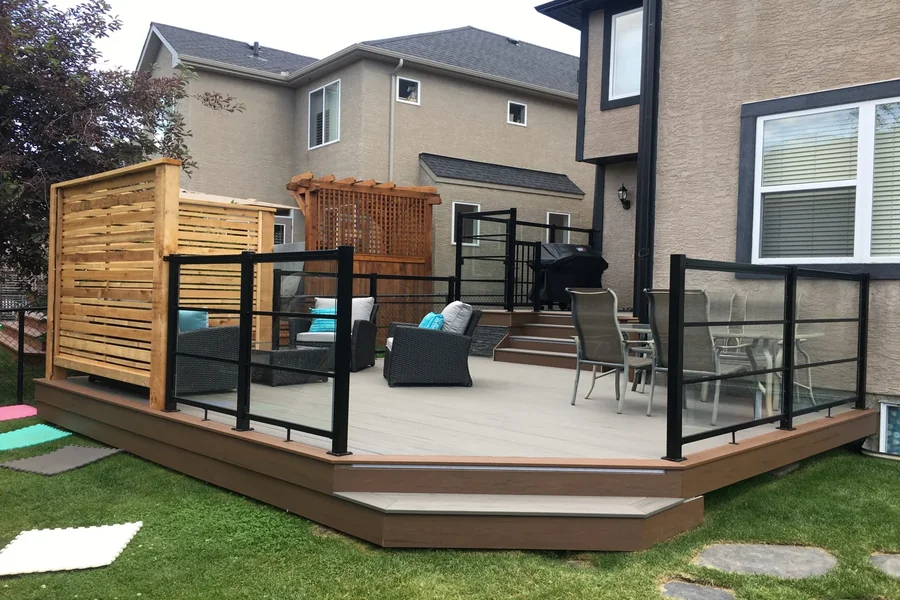
Calgary is known for its beautiful outdoor spaces, but it is also known for weather that can change dramatically in a matter of hours. Few examples illustrate this better than a Chinook. Warm winds can rapidly raise temperatures during winter, creating conditions that are challenging for outdoor structures. A deck that looks perfect when installed may eventually develop cracks, warping, loose boards, or structural movement if it is not designed to handle these repeated temperature swings.
For Calgary homeowners, building a deck is therefore about more than choosing attractive boards and a convenient layout. The materials, fasteners, framing system, drainage, and installation methods all play a role in determining how well the structure performs over time. Understanding Calgary’s climate can help homeowners make decisions that reduce maintenance costs and extend the useful life of their deck.
Why Calgary’s Temperature Swings Matter
Wood and composite materials respond to changes in temperature and moisture. When conditions become warmer or colder, decking materials can expand and contract. Moisture levels can also change as snow melts, rain falls, and dry weather returns.
A Chinook can make these changes happen particularly quickly. A freezing deck may experience a sudden warm-up, followed by another drop in temperature. While a single temperature change may not cause noticeable damage, repeated cycles over several seasons can place stress on boards, fasteners, joints, and framing connections.
This is one reason why proper deck construction is so important in Calgary. A deck needs enough flexibility to accommodate normal movement while remaining strong and stable.
The Hidden Costs of Cheap Deck Construction
The lowest initial quote does not always represent the lowest overall cost. Cutting corners on materials or construction techniques can lead to expenses later.
For example, inexpensive or improperly treated lumber may deteriorate faster when exposed to moisture and temperature fluctuations. Poorly installed fasteners can loosen as boards move. Insufficient spacing between decking boards can also create drainage problems and allow moisture to remain trapped.
Repairing these issues may involve replacing individual boards, reinforcing framing, correcting drainage, or eventually rebuilding sections of the deck. Homeowners can avoid many of these expenses by focusing on durability during the initial construction.
When comparing Calgary deck contractors, it is worth asking what materials they recommend for the local climate, how they handle expansion and contraction, and what steps they take to protect the structure from moisture.
Choosing Decking Materials for Calgary
The choice between pressure-treated wood, cedar, and composite decking depends on budget, appearance, maintenance expectations, and long-term performance.
Pressure-treated lumber remains a popular choice because it provides a practical balance between cost and durability. However, it still requires maintenance and can experience cracking, splitting, and movement as weather conditions change.
Cedar offers a natural appearance and can perform well when properly maintained. Its appearance can change over time, particularly when exposed to sunlight and precipitation, so homeowners should understand the maintenance requirements before choosing it.
Composite decking is another option. Its resistance to certain forms of moisture damage and reduced maintenance requirements can make it attractive for homeowners who want a more consistent appearance. However, different composite products have different specifications, and proper installation is still essential.
There is no single material that is perfect for every Calgary property. The best choice depends on how the deck will be used and how much maintenance the homeowner is willing to perform.
Strong Framing Is the Foundation
Deck boards receive most of the visual attention, but the framing underneath is arguably more important to the long-term performance of the structure.
A strong frame provides the support needed to keep the deck stable as materials expand, contract, and respond to moisture. Joist spacing, beam placement, connections, and ledger installation should all be carefully planned.
Water management is also critical. Moisture that remains around framing members can accelerate deterioration. Proper flashing, drainage, and separation from moisture-prone surfaces can help protect the structure.
A deck can have premium boards on top and still develop serious problems if the supporting structure is poorly designed or installed.
Fasteners Make a Difference
Fasteners may be small components, but they have an important job. They need to hold decking securely while accommodating the natural movement of the material.
Using fasteners that are appropriate for the selected decking material can reduce problems such as corrosion, staining, loose boards, and premature failure. In Calgary’s climate, corrosion resistance is especially important because decks may be exposed to snow, rain, moisture, and seasonal humidity.
Hidden fastening systems can provide a clean appearance, but they must be compatible with the decking product and installed according to manufacturer recommendations.
Design for Drainage and Snow
A Calgary deck needs to handle more than temperature changes. Snow accumulation and rapid melting can introduce significant amounts of water to the structure.
A thoughtful design allows water to move away from the deck instead of collecting around boards and framing. Adequate spacing between boards can help with drainage, while the surrounding landscape should also be considered.
Homeowners should think about where melting snow will go in spring. If water repeatedly collects beneath or beside the deck, the resulting moisture exposure can contribute to premature deterioration.
Good drainage is therefore not simply an aesthetic consideration. It is part of protecting the investment.
Maintenance Still Matters
Even a well-built deck requires regular attention. Seasonal inspections can identify small problems before they become expensive repairs.
Homeowners should look for cracked or split boards, protruding fasteners, loose railings, standing water, damaged finishes, and signs of deterioration around structural connections. Clearing leaves and debris can also help prevent moisture from remaining trapped against the deck.
Cleaning and resealing requirements depend on the decking material. Following the manufacturer’s recommendations is generally the safest way to maintain its appearance and performance.
A few hours of inspection and maintenance each year can potentially prevent much larger repair bills later.
Think Beyond the Initial Price
The true cost of a deck includes much more than the amount paid on installation day. Material quality, structural design, maintenance requirements, repairs, and eventual replacement all contribute to the total cost of ownership.
A slightly higher upfront investment can make sense if it results in better materials, stronger construction, improved drainage, and fewer problems over the years.
Calgary’s Chinooks make this especially important. A deck must be prepared for rapid changes rather than a predictable, gradual transition between seasons.
Building for Calgary’s Climate
A deck should be designed around the environment where it will actually be used. In Calgary, that means accounting for freezing temperatures, sudden Chinook warm-ups, snow, moisture, strong sunlight, and repeated seasonal cycles.
Choosing suitable materials is only the beginning. Proper framing, reliable fasteners, moisture management, drainage, and regular maintenance all contribute to a deck’s long-term performance.
The goal should not simply be to build a deck that looks impressive on installation day. It should be to create an outdoor space that remains safe, attractive, and functional through Calgary’s unpredictable weather for many years to come.