
The Role of In-House Sheet Metal Fabrication in Modern HVAC Performance
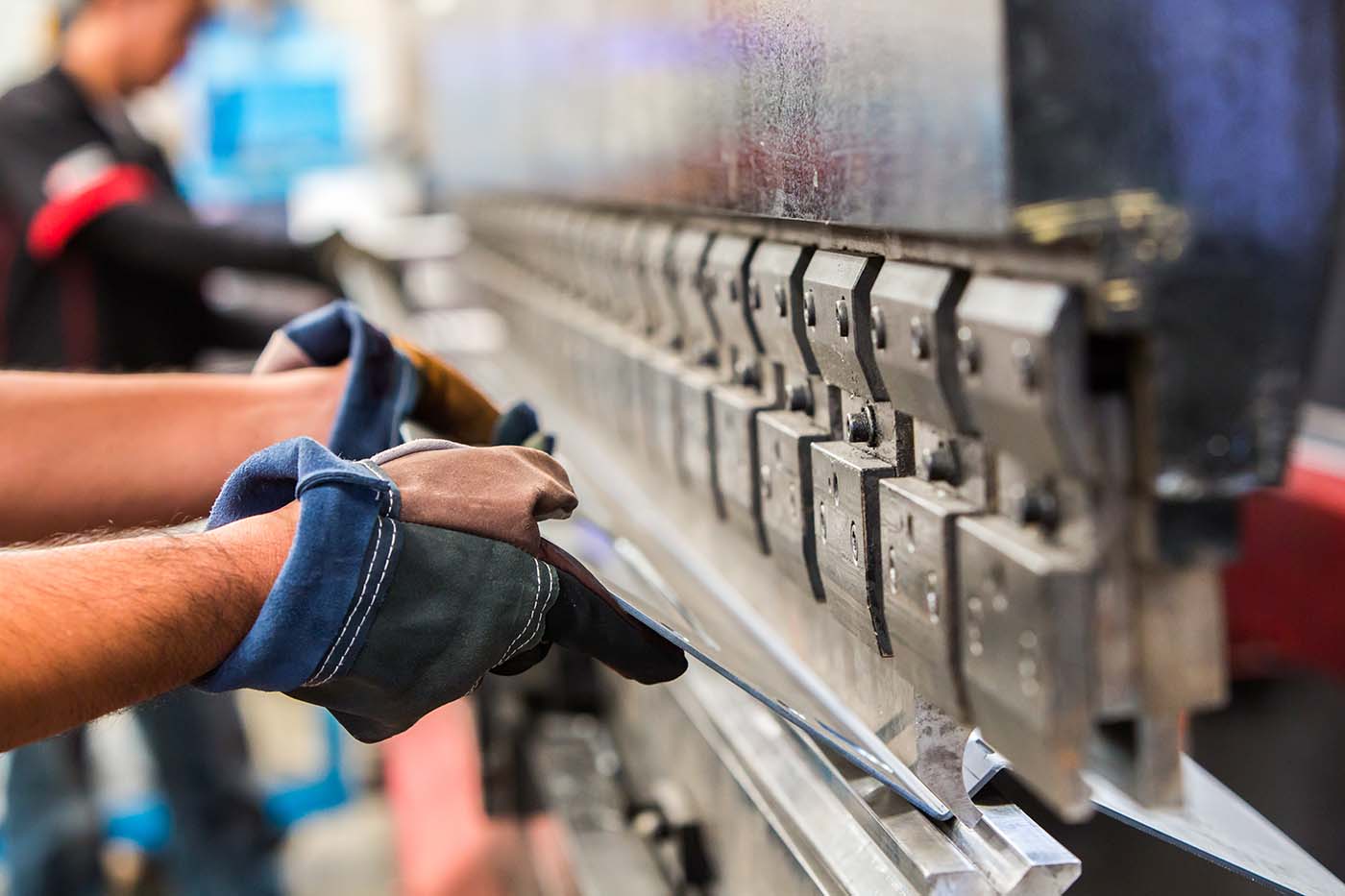
The current HVAC systems are based on accuracy, tolerance, and effective air circulation to sustain the comfortable indoor settings in residential and commercial premises. In-house fabrication of sheet metal is one of the factors that have a significant impact on these results. Many HVAC providers also fabricate directly into their processes, rather than relying solely on pre-manufactured components. This solution enables customizable ductwork, accelerated turnaround periods, and enhanced response to project needs.
The demand of flexible solutions increases with the complexity of buildings and their attention to energy consumption, which makes fabrication the key to ensuring the uniformity of heating and cooling performance in a wide range of different environments.
How Fabrication Shapes Performance
1. Precision Engineering for Better Airflow
An in-house sheet metal production brings an element of ultimate accuracy that directly affects the efficiency of airflow. The ducting has to be designed properly to supply air in equal quantities, and the slightest deviation can cause pressure differences or loss of energy. Internal fabrication allows technicians to measure, design and to produce duct components that are exact to project specifications. This minimizes holes, spurts and loose-fitting joints that tend to happen with generic components.
Fine tuning of dimension will help the airflow to be smooth and uninterrupted, which will improve the performance of the systems in the long run. It also enables instant modifications during the installation process to avoid any delays that become apparent when one has to wait until externally manufactured components can be modified or changed.
2. Customization for Complex Building Designs
Each building is a challenge in its own right, be it a small ceiling space or an unusual layout that requires a flexible HVAC solution. In-house fabrication enables HVAC crews to design their own ductwork that can easily fit within these limitations. Fabricators can mould components that fit perfectly with the architectural features as opposed to forcing the use of standardized parts into spaces that they were not designed to occupy. Such a degree of customization can retain the constant air circulation and at the same time retain the integrity of the design of the building.
Additionally, it reduces the need for excessive bends or connectors, which can restrict airflow and reduce efficiency. In some service environments, companies like Wicomico Heating & Air Conditioning demonstrate how integrated fabrication supports tailored system performance without compromising installation timelines or functionality.
3. Improved Installation Efficiency
In-house fabrication simplifies the whole process of HVAC installation. Coordination is much easier when ductwork and other similar components are manufactured on-site or within the same facility. By being able to communicate directly with fabricators, installers can be assured that any required adjustments can be accurately and efficiently made. This saves time and removes the logistical complications of having to transport parts form outside suppliers.
The time saved on faster installations does not only help in improving the schedule of a project but also in saving manpower costs and in minimizing inconveniences to property owners. In addition, the immediate response capability to unexpected changes during the installation provided by having nearby fabrication capabilities enables teams to react instantly to the unexpected changes during the installation so that the system proceeds to progress smoothly without unnecessary delays.
4. Enhanced System Durability and Longevity
The stability of an HVAC system can be largely determined by the quality of the components, especially the ductwork that conveys air throughout the building. With in-house fabrication, it is possible to select materials carefully and control the manufacturing processes which has led to stronger and more reliable components. Depending on the needs of the particular project, fabricators are able to select the most suitable metal gauges and reinforcing methods. Such a meticulousness lowers the chances of wear and tear, leakages or structural failures with time.
Heavier ductwork will also be able to hold its shape when pressurized, which allows the duct to maintain a consistent flow of air as well as reduce the strain on the duct system. Consequently, HVAC systems constructed using internally manufactured parts are more likely to operate with greater reliability and less repair would have to be done to maintain the system over a lifetime.
5. Energy Efficiency and Cost Control
The subject of energy efficiency continues to be of significant concern in the contemporary HVAC design, and in-house sheet metal fabrication makes a significant contribution towards its realization. Adequately installed ductwork reduces air leakage, which is considered to be one of the major causes of energy losses in heating and cooling systems. Fabricators can ensure the best airflow and minimise unnecessary use of energy by producing components that are exactly what is needed by the systems. This efficiency reduces to reduce the utility costs incurred by the building owners and a reduced environmental footprint. Also, internal control of fabrication may result in a more efficient overall control of cost.
HVAC providers can better manage materials, production schedules, and quality standards and achieve a more predictable and efficient workflow.
6. Quality Control and Consistency
Achieving a high level of quality of all parts of the HVAC system is crucial to a reliable system performance. Making in-house offers more control throughout all the production processes, starting with the design process and up to the assembly process. Such degree of control will be used to ensure that every part of the product will be of the necessary standards before being installed. Fabricators have the ability to examine materials, observe methods of production and make adjustments where necessary to ensure the same quality of production.
This minimizes the chances of defects that may affect the performance of the system or cause a future maintenance problem. The consistency also increases the general reliability of the HVAC system since every part of it is in harmony with the other. In the long run, the strategy will help provide stable and reliable indoor climate to occupants.
7. Adaptability to Technological Advancements
With the ever-evolving HVAC technology, systems are getting more sophisticated and being integrated with smart controls and other features of energy management. The in-house sheet metal fabrication would enable the providers to respond swiftly to such changes by designing parts that could suit the latest technologies. Whether to accommodate advanced filtration systems or integrate into automated airflow controls, fabrication teams can remodel ductwork and elements to accommodate modern innovations.
This flexibility guarantees that the HVAC systems can still be used in accordance with the new trends and still be able to perform effectively in the changing environment. It also enables providers to remain competitive by providing solutions that suit the increasing demands of energy conscious consumers and technologically advanced buildings.
8. A Compact Look at Fabrication Impact
Precision, customization, efficiency, durability and adaptability in the current HVAC system are supported by in-house sheet metal fabrication. Providers can retain quality control, minimize delays and offer systems that perform consistently across environments and also meet changing performance expectations by integrating fabrication into the workflow.
The quality and flexibility of the constituents of the modern HVAC performance is strongly connected with the in-house sheet metal fabrication, which plays a leading role in the achievement of such outcomes. Fabrication can improve the airflow accuracy, as well as support the energy efficiency and the long-term durability of the system. It enables HVAC providers to respond immediately to the demands of a project, keep the quality of the provided services and adapt to the technological changes without heavily depending on the external suppliers. With the buildings constantly changing in both design and functionality, the need to have flexible, well-built HVAC solutions will only go up, and in-house fabrication would be a good addition to offering reliable indoor comfort.