
What it Actually Takes to Run a Successful Short-Term Rental
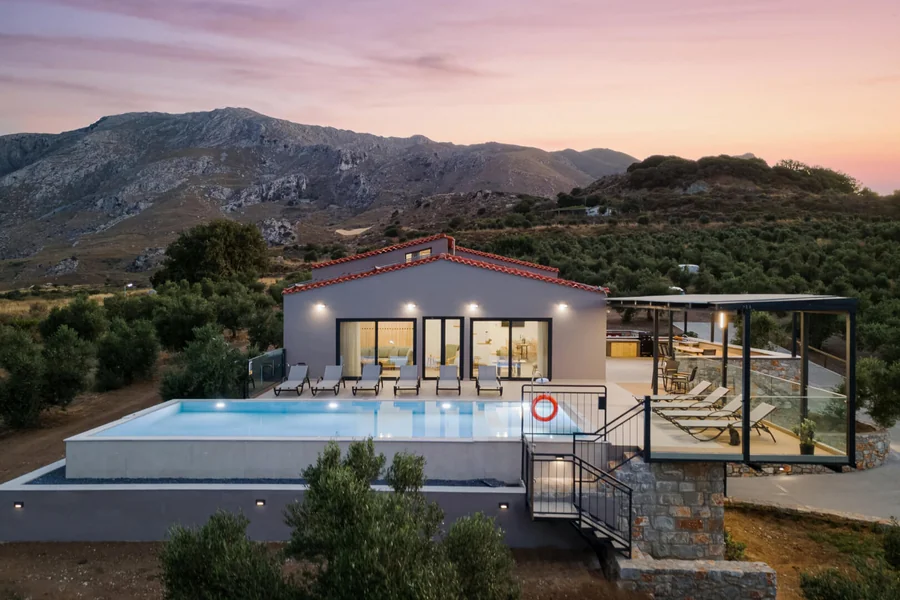
The rise of platforms like Airbnb transformed the way we travel, but it also fundamentally changed the nature of real estate investment. Suddenly, anyone with a spare room or an investment apartment could become a hospitality operator. The early days of the platform felt a bit like a digital cottage industry: throw some mismatched furniture into a space, take a few photos on a smartphone, leave a key under the mat, and watch the bookings roll in.
But the short-term rental market has grown up. Today, guests aren’t just looking for a cheaper alternative to a hotel; they are looking for a curated experience. They expect boutique design, seamless technology, immaculate cleanliness, and instant communication.
For property owners, this shift means that managing a short-term rental is no longer a passive side hustle. It is a demanding, 24/7 hospitality business.
The Hidden Grind of Daily Operations
When people think about owning an Airbnb, they usually picture the booking revenue. They rarely picture the midnight text messages from a guest who can’t figure out the smart lock, or the sudden scramble when a cleaner cancels an hour before a check-in.
Short-term rental management is a game of logistics. Unlike a traditional long-term tenancy where a lease is signed once a year, an Airbnb requires constant attention. You are managing a revolving door of travelers, each with different arrival times, questions, and personalities. Every check-out triggers a tight window of time where the property must be stripped, deeply cleaned, restocked with essentials, and staged to look identical to the listing photos. If one link in that operational chain breaks, it immediately reflects in a public review—and in the short-term rental economy, reviews are your lifeblood.
Pricing as a Moving Target
One of the biggest mistakes independent hosts make is setting a flat nightly rate and leaving it unchanged throughout the year. The short-term market is highly sensitive to external variables. A rainy weekend, a mid-week corporate convention, a local music festival, or a sudden spike in neighborhood competition can all dramatically alter what guests are willing to pay.
To maximize revenue, successful properties rely on dynamic pricing. This involves constantly analyzing market demand, local events, seasonal trends, and historical booking data to adjust prices in real time. It is the same algorithmic approach airlines use, and trying to replicate it manually every week takes hours of analytical work that most property owners simply don’t have time for.
Elevating the Guest Experience
What separates a listing that struggles to fill its calendar from one that commands premium pricing and sits at the top of search algorithms? The details.
Modern hosting requires an eye for interior design that photographs beautifully on a screen but remains durable enough to withstand constant guest traffic. It means writing clear, localized digital welcome guides that tell guests exactly where to get the best coffee or how to navigate the neighborhood. It involves anticipating needs—providing premium linens, high-speed Wi-Fi, a well-stocked kitchen, and thoughtful touches that make a space feel like a home rather than a sterile room.
Turning to the Experts
Because the standard of hosting has risen so dramatically, many property owners find that the time investment required to run a high-performing listing outweighs the benefits of doing it themselves. This is particularly true in high-demand, experiential travel destinations where tourism dynamics change rapidly.
For property owners in competitive regional markets, handing over the reins to local specialists is often the key to unlocking a property’s true potential. Working with a dedicated provider for Tasmanian Airbnb management allows owners to capture premium holiday yields without sacrificing their personal time. These specialists handle everything from professional photography and algorithmic pricing to guest screening, housekeeping, and 24/7 maintenance support.
The financial upside of short-term rentals remains incredibly lucrative, but the barrier to entry for excellence is higher than ever. Succeeding in today’s market requires treating your property not just as a piece of real estate, but as a hospitality brand. Whether you choose to invest the significant hours required to master that brand yourself, or partner with experts who do it for a living, recognizing the true scale of the operation is the first step toward long-term profitability.