
What Rodent Activity in Spring Can Tell You About Your Home
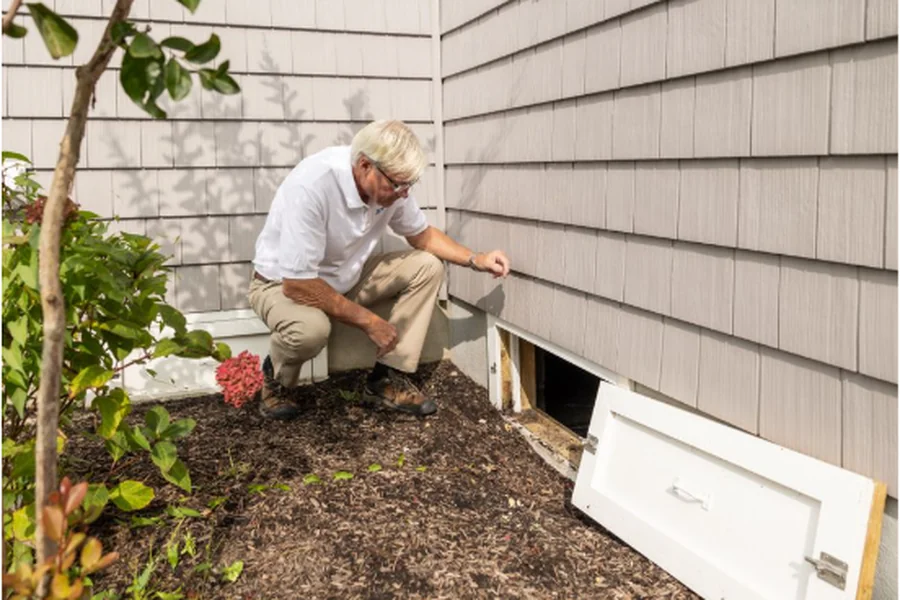
In Florida, spring doesn’t just wake up your yard. It also changes what’s happening behind your walls, under your sink, and around your foundation. If you live in a warm, humid region, seasonal pest shifts can show up fast, especially once rain, heat, and food sources start lining up. Paying attention early gives you a better shot at stopping a small nuisance before it turns into a full-blown home repair issue with teeth.
Why spring creates ideal conditions for rodents
As temperatures rise, rodents become more active in their search for food, water, and shelter. Your home can offer all three without trying very hard. A leaky hose bib, uncovered pet food, or garage clutter can act like a welcome mat.
In warmer climates, the shift from late spring into early summer often speeds things up. Vegetation gets denser, outdoor food sources change, and sudden rain can push rodents toward dry indoor spaces. You’re not dealing with a random visit. You’re seeing survival behavior in motion.
A young mouse can squeeze through a gap the size of a dime. Rats need a bit more room, but not much. Tiny entry points around utility lines, attic vents, and door sweeps become prime access zones once seasonal pressure builds.
What rodent activity looks like before you actually see one
Most homeowners don’t spot the animal first. They notice the clues. A faint scratching noise at night, chewed cardboard in the garage, or droppings near baseboards usually appears before any dramatic kitchen-floor sprint scene.
Watch for these early signs:
– Greasy rub marks along walls or baseboards
– Shredded paper, insulation, or fabric used for nesting
– Gnaw marks on food packaging or wood trim
– Musky odors in enclosed spaces
– Small droppings in cabinets, pantries, or behind appliances
Rodents are stealthy roommates. They prefer hidden travel paths and low-traffic areas. Attics, crawl spaces, laundry rooms, and the backs of cabinets often show the earliest signs. If you only check obvious spots, you may miss the pattern until the population grows.
Why regional trends matter more than generic pest advice
Pest advice can get oddly one-size-fits-all. That’s a problem when rodent behavior changes by climate, housing style, rainfall, and landscaping. A suburban home in Southeast Florida won’t face the exact same conditions as a townhouse in a dry inland city.
Regional trend data can make your prevention strategy much smarter. For example, Nozzle Nolen, a local pest control company published call volume data with top trends tied to spring and early summer rodent activity in Southeast Florida. That kind of information matters because it reflects real service demand, seasonal timing, and the kinds of homes seeing the biggest uptick.
When you know what’s increasing in your area, you can inspect with purpose instead of guessing. It’s less dramatic than a horror movie reveal, and far more useful.
The home features that quietly attract rodents
A clean home can still attract rodents. Sanitation helps, but structure and storage matter just as much. Openings around plumbing, roofline gaps, and dense shrubs against exterior walls can create an easy route inside.
Some of the biggest attractors include:
– Bird seed or pet food stored in thin plastic bags
– Overgrown landscaping touching siding or roof edges
– Standing water near patios, AC units, or gutters
– Garage clutter that creates hidden nesting zones
– Fruit trees or vegetable gardens close to the house
You should also pay attention to less obvious details. Dryer vents, attic access panels, and poorly sealed crawl space entries can become repeated access points. Rodents don’t need luxury accommodations. They’re looking for stable shelter and a reliable snack bar. Many homes provide both without meaning to.
How rodents can affect your home beyond the immediate nuisance
The damage isn’t limited to hearing something skitter in the ceiling at 2 a.m. Rodents chew constantly to keep their teeth worn down, and that habit puts important materials at risk. Electrical wiring, drywall, insulation, and even PVC piping can all take hits.
That creates broader home issues:
– Fire risk from damaged wiring
– Contamination of food prep and storage areas
– Insulation damage that affects energy efficiency
– Air quality concerns from droppings and urine
– Secondary pest problems, including fleas or mites
If rodents settle into an attic, crawl space, or wall cavity, repairs can get expensive quickly. The visible pest issue often ends up being the smallest bill. It’s the hidden contamination, entry-point repair, and material replacement that tend to sting your wallet.
What you can do now to reduce the odds of an infestation
You don’t need a complicated master plan. You need consistency and a good eye for entry points. Start outside, then move inward. Check your foundation, doors, vents, and utility penetrations. If a gap looks small, inspect it anyway. Rodents are basically terrible little contortionists.
Use this prevention checklist:
– Seal gaps around pipes, vents, and cables
– Install door sweeps and repair torn screens
– Store dry goods and pet food in hard containers
– Trim shrubs and branches away from the structure
– Clear garage and attic clutter regularly
– Fix leaks and eliminate standing water
– Empty trash bins often and secure lids tightly
Routine matters more than one-time effort. A seasonal inspection every few months can catch new vulnerabilities before they become established pathways. That’s especially useful during spring and early summer, when rodent pressure tends to climb.
When DIY steps stop being enough
Some rodent issues can be managed early with exclusion and cleanup. Others need a more experienced approach. If you hear movement in multiple areas, find repeated droppings after cleaning, or notice signs in hidden spaces like attics and wall voids, the problem may be larger than it looks.
At that stage, guessing can waste time. Traps placed in the wrong spots, incomplete sealing, or missed nesting areas can keep the cycle going. A proper inspection usually focuses on travel routes, access points, food sources, and conditions around the property that support nesting.
The main goal isn’t only removal. It’s figuring out how rodents are getting in and what keeps drawing them back. Without that second part, you’re just resetting the stage for another unwelcome encore.
Paying attention early saves money and stress
Rodent problems rarely start big. They start quietly, with a tiny gap, a hidden food source, and a few signs that are easy to ignore. Spring is a smart time to pay attention because seasonal activity tends to expose weak points in and around your home.
If you notice noises, droppings, gnawing, or repeated outdoor activity near the structure, treat those clues seriously. Early action can help you avoid damage, contamination, and the headache of a larger infestation later.
A home doesn’t need to be old, messy, or neglected to attract rodents. It just needs to be convenient. Your job is to make convenience hard to find.