
What to Expect During a Heating Contractor Home Inspection Visit
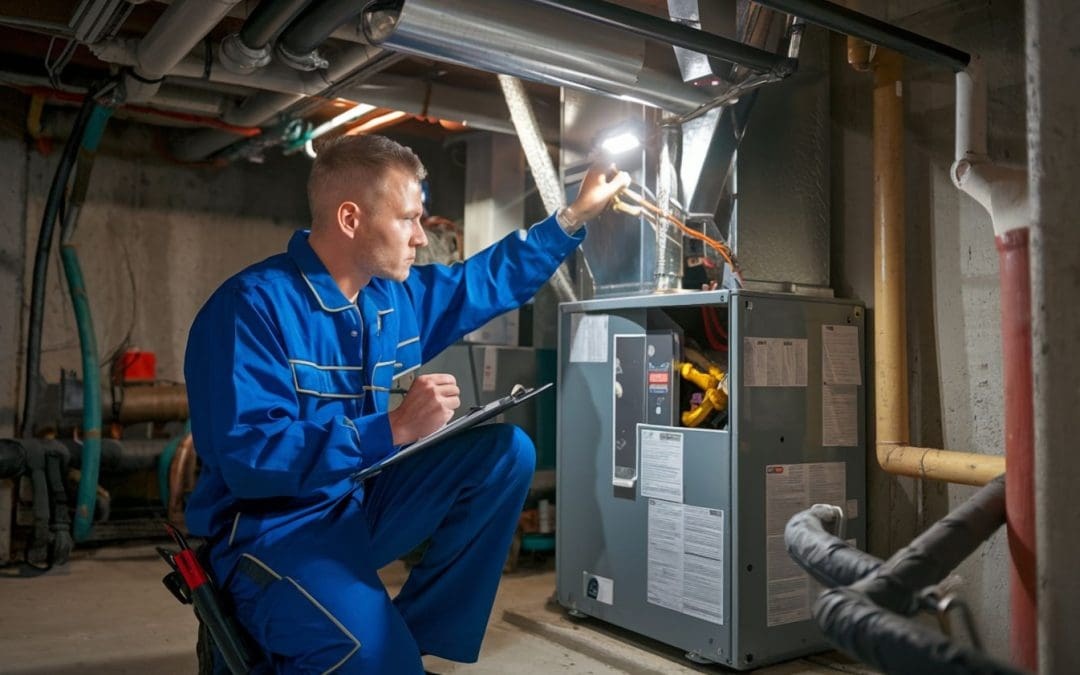
Home heating systems can be silent background performers, but their performance has an impact on comfort, safety and energy consumption during the year. When a heating contractor comes to a home and makes an inspection of the house, it is more than a simple glance at the equipment. It involves a systematic inspection of parts, airflow, system behavior, to find out problems that are not readily apparent to homeowners. Awareness of what will occur during this visit will allow the setting of realistic expectations and will motivate them to prepare better. It is also through the inspection that it is possible to point out just how efficiently a system is running and whether there may be adjustments or repairs that would need to be carried out in the near future.
Inspection process overview
1. Arrival and initial assessment
The visit normally starts with the arrival of the technician who takes time to familiarize with the layout of the house and position of the heating system. The reason why this first step is important is due to the fact that this inspection can be then customized to match the specific setup. The questions can be related to the recent performance, strange sounds, or alteration in energy consumption that the homeowner has observed. This is followed by a visual inspection of the primary heating unit, the location of the thermostat, and other spaces. This assists in determining whether there might be any outside influence that might be influencing the functioning of the system.
It gives consideration to the areas of ventilation and points of entry to enhance safety and easy maintenance. At this phase, the inspector also pays attention to the overall cleanliness and airflow in the area of the equipment because this can affect the efficiency of the system and its long-term reliability. Here, it is important to observe in order to prevent the failure to pay attention to early warning signs in the future.
2. System components evaluation
At this point, the focus is now on the internal parts of the heating system. The ductwork, filters, burners and electrical connections are also checked to see whether each of these elements is functioning as intended. The accumulation of dust, loose fittings or wear of mechanical parts may cause reduce overall efficiency and lead to uneven heating in various parts of the house. The temperature measurement is done at different locations to ensure uniformity and the strength of airflow is also measured. Another area of concern is the state of the safety controls, as the mentioned features should help avoid overheating or malfunctioning of the system itself.
A Heating contractor may also compare current performance against standard operating expectations for the specific system type installed. This comparison helps identify subtle issues that might not be obvious during normal use. In many cases, small adjustments during this phase can improve performance and extend the lifespan of key components without necessitating major repairs.
3. Airflow and ventilation testing
The appropriate airflow contributes significantly to the effectiveness of a heating system in spreading warmth all over a house. In this section of the inspection, vents, ducts, and returns are checked to make sure that air can move freely and reach all the desired locations. Obstructions, spurts, or poorly sealed joints may interrupt the circulation and generate temperature differences between rooms. It is common to perform measurements that will help to compare the air pressure levels and identify any discrepancies in distribution. The inspector can also assess whether the arrangement of furniture or changes to structure are obstructing air circulation.
Ventilation is as well an essential factor to consider since it influences the quality of the air indoors as well as the overall effectiveness of the system. Slow or limited air circulation may cause additional stress on heating elements with time. The observations conducted during this phase contribute to assessing the necessity of cleaning, sealing, and minor adjustments to improve performance and maintain a stable indoor environment regardless of seasonal variations and other changing conditions.
4. Thermostat and control checks
The thermostat is the hub of control to regulate the indoor temperature, and therefore, its accuracy is vital in achieving comfort and efficiency. When it is being inspected, its calibration is verified to make sure that it is accurately reflecting the conditions in the room and that it is responsive to changes. The wiring connections are also checked to make sure that the connections are securely in place and that the connections are functioning correctly. In case the thermostat is very old or wrongly placed, it can cause the uneven heating of the house or unnecessary consumption of energy. In other instances, settings are also matched with the real temperature measurements of various rooms in order to detect differences.
Control systems that have links with timers or smart settings are also evaluated on responsiveness. A smooth and reliable communication between the heating unit and the thermostat is ensured by this part of the process. Any delay or misinterpretation can impact the overall performance of the system and can necessitate adjustments to restore proper operation and maintain constant levels of indoor comfort when using the system.
5. Safety and compliance review
A crucial point of any inspection of a heating system is the aspect of safety, as the components that malfunction may pose a threat, unless addressed. The focus during this stage is done on gas lines, electrical wiring, and heat exchangers to verify that they are in good condition. Corrosion, leaks or overheating are closely observed, as they can reflect on possible hazards. The inspector also examines the adherence to general safety standards, the standards that are applicable to the heating system in a residential setting. The carbon monoxide and ventilation protection are commonly checked in order to make sure that they are operating properly.
Adequate clearance surrounding heating units is also determined to minimize the fire risk and to maintain a safe operation. This step of the inspection is more focused on the prevention, so that the problematic situations can be detected at the very first stage of the problem development. Homeowners are usually immediately told about any safety issues and given recommendations on the right corrective measures to avoid any danger to the living environment.
6. Findings summary and recommendations
After all inspections and measurements are completed, the results are compiled into a clear summary that outlines the condition of the heating system. This summary highlights areas requiring attention, along with observations on overall performance and efficiency. The information gathered helps homeowners understand how their system is functioning and what improvements may be beneficial over time. Recommendations are often included to guide maintenance decisions, such as cleaning schedules or minor adjustments that can enhance reliability. In some cases, suggestions may involve monitoring certain components more closely to prevent future issues.
This final stage of the visit brings together all findings into a structured overview that supports informed decision-making. It also provides clarity on whether the system is operating within expected limits or showing early signs of wear that should be addressed in the near future to ensure long-term reliability and comfort.
7. Understanding the inspection visit outcome
A heating system inspection visit provides homeowners with a detailed look at how well their equipment is performing and what conditions may need attention. The process covers physical components, airflow, controls, and safety elements, all of which contribute to overall comfort and reliability. By the end of the visit, homeowners receive clear feedback that helps them make informed decisions about maintenance or repairs.
This understanding supports better long-term planning and can help prevent unexpected breakdowns during periods of heavy use. The insights gained also encourage more efficient energy use and improved system stability throughout changing seasons in the home.