
Why You Might Need a Water Softener in Your Home
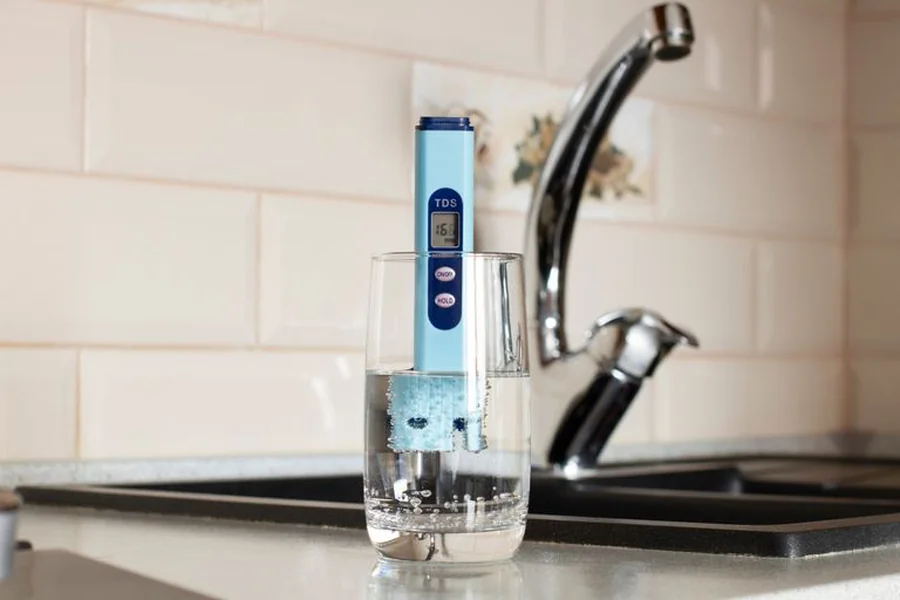
Problem of Hard water is frequent in most homes, which are usually not even realized until it starts interfering with the daily activities and gadgets. High concentration of minerals like calcium and magnesium in water may cause pipes to become accumulated, cause lowered efficiency of water heaters, and cause dishes and laundry to have deposits. These minerals may also impact on the skin and hair over time causing them to be either dry or brittle. We will delve into the reasons that installing a water softener can serve as a proactive step to insure the infrastructure at your home, as well as improve the quality of water and also, increase personal comfort. The awareness on the effects of the hard water and the possible advantages of softening their water helps home owners to make wise choices on how to ensure a safe and efficient household set up. Not all homes may need a water softener but where the water is rich in minerals it is a significant consideration.
Advantages of Installing a Water Softener
1. Protection for Plumbing and Appliances
Hard water causes mineral deposits to accumulate inside pipes, faucets, and water-using appliances. Over time, this buildup can restrict water flow, reduce pressure, and lead to costly repairs or replacements. Water heaters are particularly vulnerable because the minerals settle at the bottom of the tank, creating scale that reduces heating efficiency and increases energy consumption. By consulting with Semper Fi Heating and Cooling and installing a water softener, the minerals are removed or neutralized before they enter the plumbing system, extending the lifespan of both pipes and appliances. This preventative approach can save significant maintenance costs over the years, reducing the need for frequent professional repairs or early replacement of home fixtures. Beyond immediate savings, soft water ensures consistent performance and longevity of showers, sinks, washing machines, and dishwashers, maintaining efficiency and protecting your home investment.
2. Improved Cleaning and Laundry Results
The presence of mineral rich hard water influences the functionality of soaps and detergents leaving traces behind on dishes, clothing and surfaces. Washing clothes in hard water makes them look a dull colour and feel rough and soaps can not form a good lather and leave a soap scum on sinks and bathtubs. In comparison, soft water enables cleaning products to perform effectively, reducing their use of detergent, and offering cleaner results. The dishes come out clean and free of streaks, laundry is softer and the bathing areas do not have residue that builds up. This is especially useful with families that have children as skin sensitivity is a factor to consider. Soft water not only can improve the look of the fabric and surfaces but also adds to the overall appeal of cleanliness, making household duties less strenuous and efficient.
3. Health and Skin Benefits
Hard water may also impact the skin and head as it may strip off the natural oils causing hair to be dried, dry, or dull. People are likely to experience flare-ups in case of taking baths or washing in hard water. A water softener eliminates minerals that cause these effects, at least the skin and hair are able to retain moisture easily. Feeling less scaly, less dry and easier to manage and style hair can be achieved by taking a bath in soft water. This can especially be noticed by the families having young children or even by individuals having skin conditions. Besides being comfortable, soft water decreases the chances of soap residue to stay on the body, and this can further prevent irritation and improve hygiene routines in our day-to-day activities, which boosts our health and wellbeing.
4. Energy Efficiency and Reduced Utility Costs
Hard water compromises water heaters, dishwashers, and washing machines by consuming more energy because of the formation of the scale and mineral deposits. This inefficiency as time goes by adds to utility bills and reduces the lifespan of appliances. Water softeners guide to ensure that the appliances are in optimal operation without deposits of minerals, which reduces appliances to maximum functionality. Smaller size will also see water warm faster saving on electricity or gas and lowering of monthly energy bills. Comparing providers like ppl electric can help homeowners get even more value from these efficiency gains. This saving is especially effective in areas where water consumption is high or residence that have the major need of hot water in their everyday activities. Purchasing a water softener is not necessarily a preventive measure, but it is also an alternative that can lead to savings as the deteriorated cost is minimized and the lifespan of home appliances can be extended.
5. Environmental Considerations
Soft water can indirectly make the environment better through a decrease in the use of detergents and chemicals. Hard water contains minerals, which need to be compensated, and this generally means the use of more soap, bleach or other added commodities. Water softening reduces this requirement and enables less cleaning chemicals to work, helping lessen the run-off of chemicals on local water systems. Also, pressure water-efficient appliances use less energy reducing the carbon footprint of that household. Though a water softener needs a source of salt or other mineral alternatives to regenerate, the new systems are structured in such a way that they consume a small amount of resources but achieve the same levels. A softening system that is sustainable in nature can be selected in order to strike a balance between the convenience available to households and responsible use of the environment, thereby making it viable and environmentally friendly to homeowners.
A water softener can offer a variety of benefits, both in terms of caring about the house and individual comfort and preservation of nature. The system helps to protect plumbing and appliances and increase the efficiency of the cleaning process, improve the condition of skin and hair, use less energy, and promote environmentally friendly practices. These may have the added advantage of saving money over time in households in hard water areas and enhancing the quality of life. With the selection of the appropriate system and its maintenance needs, uniform operation and reliability is a given factor; therefore, homeowners can tackle water quality problems before they take place. Measurement of water hardness at home and possible installation can ensure there are no complications in the future and your water can be used in the present benefiting you.
The quality of water is a matter of concern, when it comes to having a comfortable and efficient home. Although our home does not have serious problems with a hard water, residents in infested areas can would perceive a physical difference with a water softener installed. Homeowners protect plumbing, improve cleaning results by responding to mineral content at its origin and improving their personal care habits. The soft water investment merits both in short and long-term returns, including improved wellbeing and less maintenance expenditure. Knowing as well as possible what hard water entails and making efforts to ameliorate these effects could result in a healthier, more productive and comfortable living space and a water softener is a consideration worth checking into by most households.