
2000s Fashion Trends Gen Z Is Reviving and Dropping
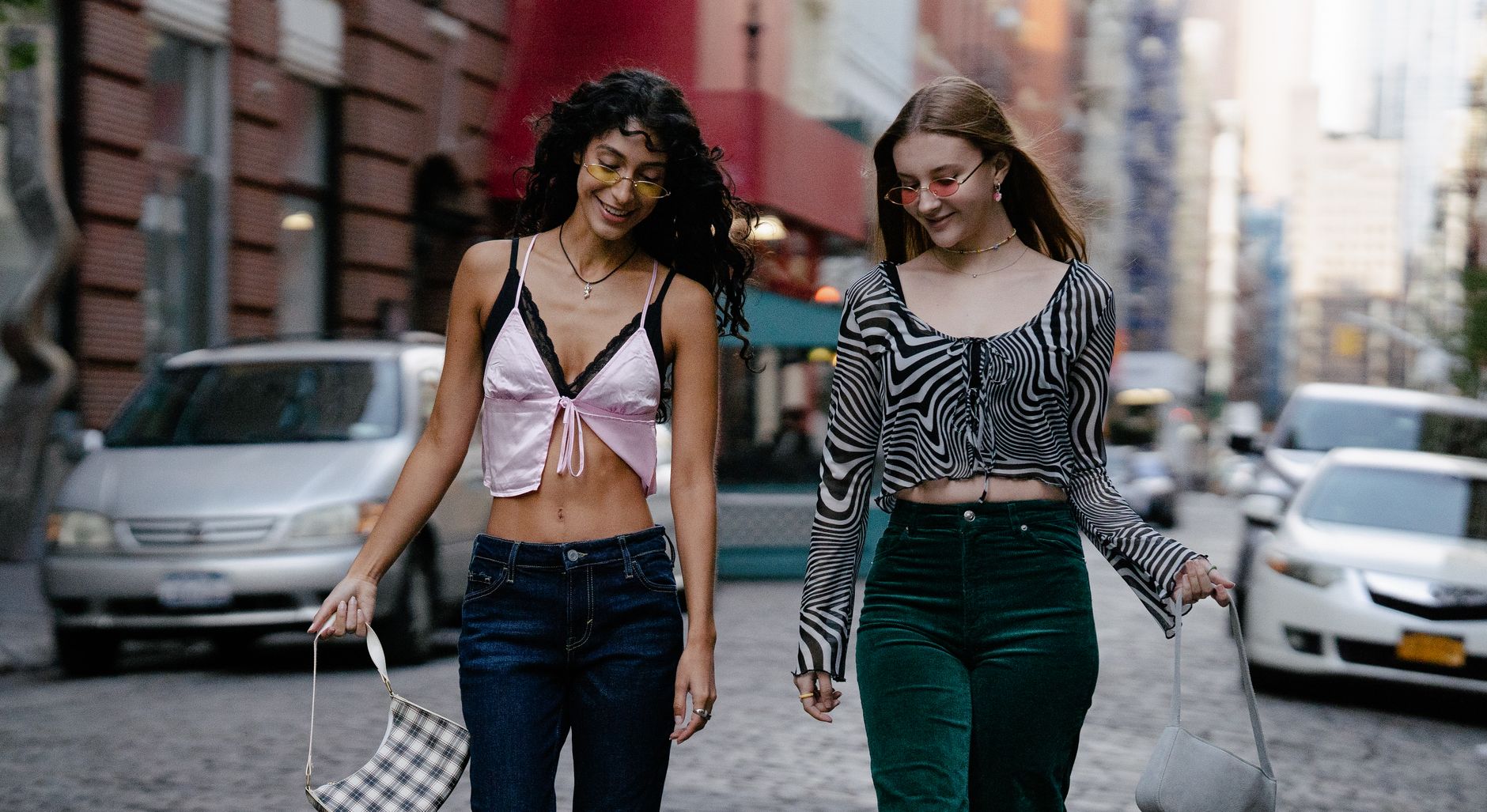
2000s fashion trends weren’t, in their original form, the curated aesthetic TikTok currently sells you. They were louder, cheaper-looking in places, and often pulled in three directions at once. The version Gen Z is reviving has been edited hard, keeping the parts that photograph well and quietly shelving the rest. That gap between the real decade and the nostalgia version is worth examining, because it tells you something about how fashion memory actually works.
The 2000s roughly split into two visual eras. From 2000 to about 2005, the dominant look was celebrity-driven and conspicuously branded: Us Weekly spreads, velour, visible thong waistbands treated as a design feature. After 2005, emo and scene subcultures pulled a chunk of the youth market in a different direction, while streetwear started building the infrastructure that would later become a global industry. Understanding those two halves matters if you want to understand what Gen Z is actually referencing when they use the word Y2K.
The 2023 to 2024 Y2K fashion market was valued at over $1.5 billion, which confirms this isn’t a minor style moment. But the decade it draws from was genuinely chaotic, and the revival is selective in ways that are easy to miss.
Low-Rise Denim and Party-Girl Staples
Low-rise jeans peaked between 2000 and 2006, and “low-rise” is doing a lot of work in that label. Some cuts sat four inches below the natural waist and were worn with cropped tanks specifically designed to expose the gap. Paris Hilton and Lindsay Lohan were cited as the top style influencers in Us Weekly reader polls from 2003 to 2005, and both wore variants of this silhouette constantly. When those cuts come back now, they tend to arrive two or three inches higher than the originals, which softens the look considerably.
The Juicy Couture velour tracksuit retailed for $165 to $185 at its peak, which was a significant price point for what was essentially leisurewear. It worked partly because it blurred the line between casual and expensive in a way that felt new at the time. Gen Z has returned to it, though usually styled with one piece rather than the full matching set and often purchased secondhand. The Ugg Classic Short boot followed a similar trajectory, going mainstream after a 2003 Oprah “Favorite Things” feature and becoming so ubiquitous by 2006 that it was being mocked in the same magazines that had promoted it. It’s now fully rehabilitated.
What the current revival keeps from this tier: the low-rise silhouette in its milder form, the Ugg boot, the terry and velour textures. What it drops: the visible undergarment styling, the spray-tan orange palette, and the specific kind of going-out top that was made of mesh and not much else.
Logo Mania and Streetwear Brands
Von Dutch trucker hats sold over one million units at peak, which is a staggering number for an accessory with that specific a look. The brand launched in 1999, hit its celebrity saturation point around 2003 and 2004, and was essentially over by 2007. Ed Hardy followed a similar arc but at greater scale, with licensing revenue reaching $700 million by 2008, driven by a collaboration between Christian Audigier and the estate of tattoo artist Ed Hardy. The graphic-heavy, embellished aesthetic filtered down into every mid-market chain within two years of its peak.
Both brands were about visible statement-making in a way that has more in common with current streetwear culture than people usually admit. The difference is that Von Dutch and Ed Hardy were consumed broadly across demographics, while today’s logo-heavy streetwear operates more like a membership system with tiered access by price. Supreme, founded in 1994 but a mainstream cultural reference throughout the 2000s, handled that distinction better and aged better as a result.
Gen Z has a complicated relationship with this part of the decade. Von Dutch hats came back ironically and then stayed sincerely. Ed Hardy remains harder to rehabilitate because the sheer density of the graphic work reads as dated in a way that a clean trucker hat simply doesn’t.
Subcultures Beside the Mainstream
The party-girl aesthetic gets the most nostalgia coverage, but it was never the whole picture. Emo and scene subcultures had millions of participants by the mid-2000s, built around side-swept hair, skinny jeans in black or neon, band tees, and a deliberate rejection of the velour-tracksuit world. MySpace organized this aesthetic more than any magazine did. Skate-influenced brands like DC, Circa, and early Vans grew significantly during the same period without generating much celebrity coverage.
These subcultures are underrepresented in the current Y2K revival, which skews heavily toward the celebrity-and-logo tier. You’ll see elements of emo occasionally, usually the low-cut Chuck Taylor or the studded belt, but the full scene look hasn’t had the same commercial rehabilitation. That may be partly because it photographs less cleanly on a phone screen.
What Gen Z Kept and Dropped
The 2000s fashion trends that survived into the current revival share a few things: they’re silhouette-driven rather than graphic-heavy, they work as single statement pieces rather than head-to-toe looks, and they were expensive or aspirational the first time around rather than purely mass-market. Low-rise denim, Ugg boots, velour separates, and the Von Dutch hat all fit that description. The full Ed Hardy suit, trucker hats with ironic slogans, and the visible-underwear styling don’t.
What gets dropped is usually whatever required context to read correctly in 2004. The 2000s were dense with in-group references that only worked if you were consuming the same tabloids and reality TV as everyone else. Stripped of that context, those pieces just look like clutter. The parts that survived are the ones that communicate something on their own terms, which is probably the real lesson of any decade’s fashion revival.
FAQs
Are 2000s fashion trends coming back?
Yes, selectively. The Y2K fashion market was valued at over $1.5 billion in 2023 to 2024, which reflects genuine commercial momentum rather than just social media noise. The revival focuses mainly on low-rise silhouettes, logomania in its milder forms, and specific accessories like Ugg boots rather than reviving the decade wholesale.
What did people wear in the early 2000s?
The dominant mainstream look combined very low-rise jeans, cropped tops, velour tracksuits, trucker hats, and heavy logo branding, often styled after celebrities like Paris Hilton or Lindsay Lohan. Alongside that, substantial subcultures built around emo, scene, and skate aesthetics operated mostly outside the tabloid spotlight. The two worlds rarely overlapped in the way nostalgia sometimes suggests they did.
What is Y2K fashion?
Y2K fashion refers to styles that emerged around the turn of the millennium, roughly 1998 to 2006, characterized by futuristic metallics, low-rise cuts, visible branding, and a particular kind of glossy celebrity-influenced dressing. As a current trend label it’s used loosely, sometimes covering the full decade and sometimes just the earliest years. In practice, most of what gets sold as Y2K today draws from about 2002 to 2006.
For more pieces like this one, browse the rest of our Fashion coverage.